Leaders at the Mastercard Growth Summit share actionable strategies for creating inclusive businesses that bridge the gap between intentions and outcomes.

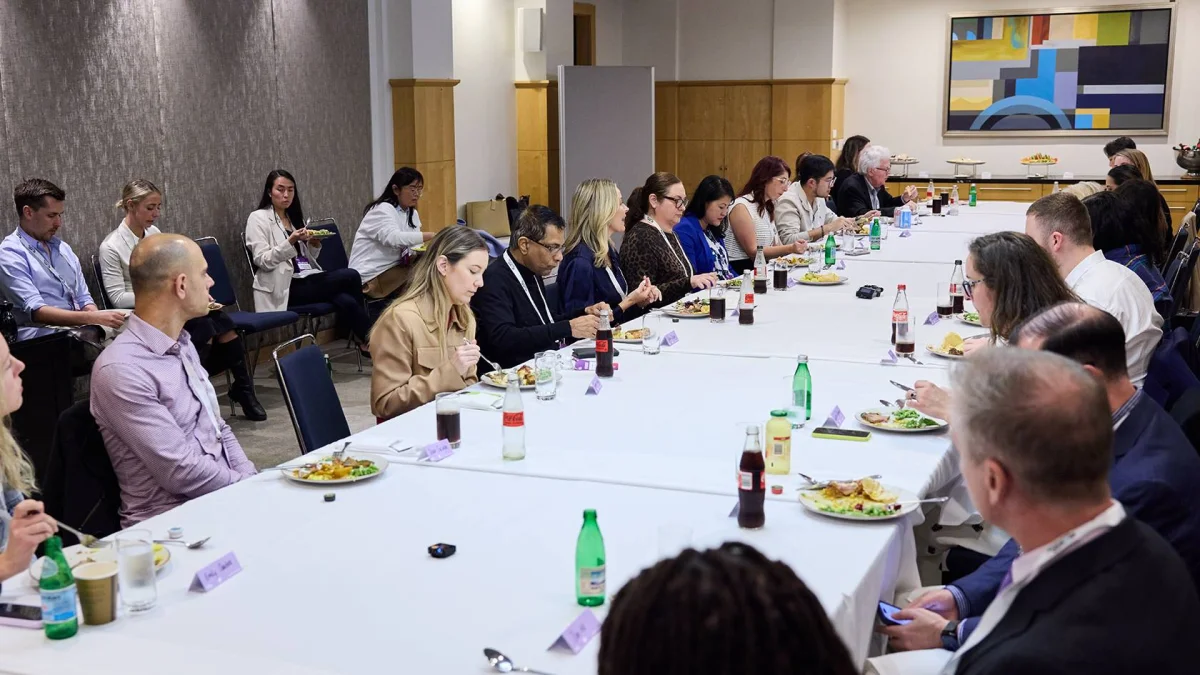
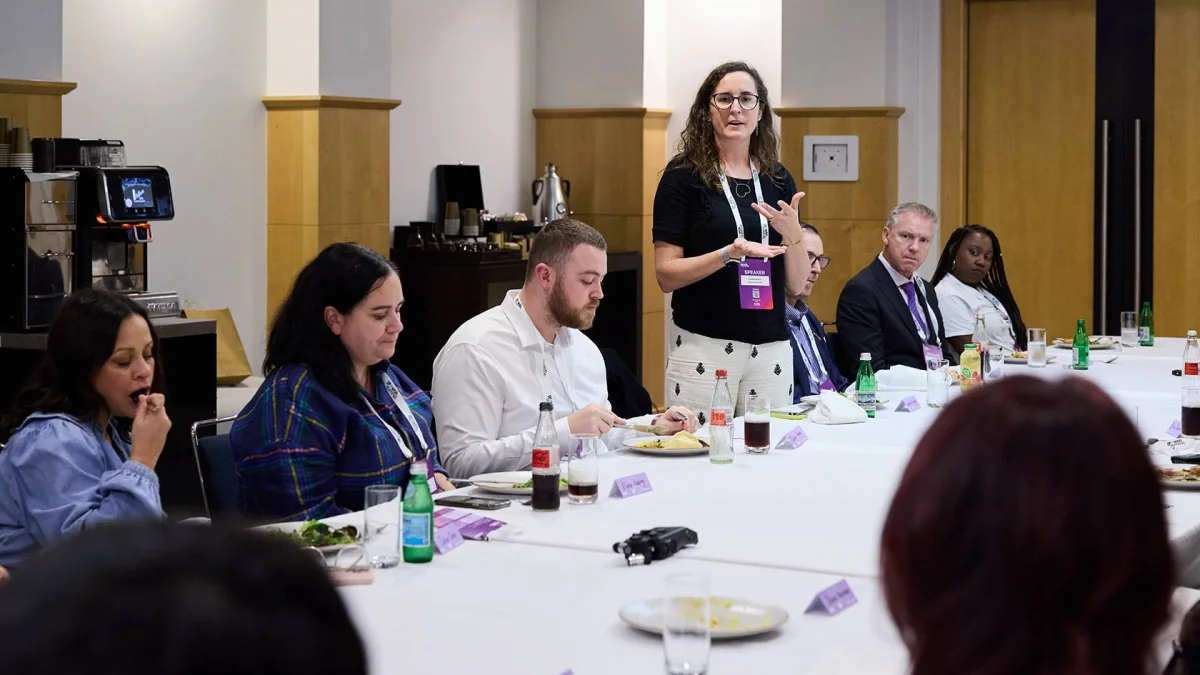
Creating truly inclusive businesses requires more than just good intentions; it demands strategic action based on real understanding and community engagement. This point was emphasized in discussions at a recent Mastercard-hosted Growth Summit, where business leaders and founders exchanged vital experiences and strategies to enhance inclusivity. Here are five key lessons that emerged from the roundtable discussions:

1. Embed Inclusion in Core Operations
Inclusion should be a fundamental aspect of any business rather than an afterthought. Alexandra Sloane, VP of integrated marketing and communications for Australasia at Mastercard, explained that establishing a purposeful foundation is critical. “Mastercard is committed to embedding purpose into why it exists and how it operates,” Sloane noted. This alignment ensures that initiatives are deeply integrated into the company’s values and commercial practices.

Janine Owen, founder and CEO of Granted, echoed this sentiment, arguing that impact initiatives separate from core business strategies are unlikely to thrive. “If purpose or impact doesn’t benefit the company, it’s not sustainable,” she stated. Therefore, aligning the brand with its philanthropic efforts is essential. “It's not enough to simply sell products; you must stand for something,” added Dean Salakas, CEO of Retail Community Pty Ltd.

2. Simple Solutions Drive Accessibility
Accessibility can often be achieved through straightforward solutions rather than complex innovations. Sloane cited Mastercard's Touch Card, an intuitive design featuring notches to assist visually impaired users in identifying their cards. “It’s just an indentation,” she explained, showcasing that targeted, simple design can significantly enhance usability.

This program encourages restaurants to provide detailed descriptions of menu items, ensuring that neurodivergent diners can make informed choices. Likewise, Cassandra Cadorin, founder of CanTicket, shared how her team adapted keyboard shortcuts for better accessibility after hiring an employee with specific needs, eventually broadening the utility for all users.

3. Authentic Commitment is Key
Despite many organizations boasting supplier diversity commitments, real opportunities for small businesses, especially those led by minority groups, are often limited. Vinisha Rathod, founder of p3 Studio, pointed out that many Indigenous businesses struggle to enter major supply chains due to systemic barriers. “The gates are too high for them,” she lamented.
This disconnect highlights the gap between corporate purpose statements and their practical applications. Founders believe that commitments to inclusion must translate into tangible opportunities for funding and partnerships. “If you’re genuinely uninterested in pursuing purpose, just admit it. But we must create pathways for those striving to make an impact,” Rathod noted.
4. Engage with Communities
Effective inclusion initiatives often emerge from engaging directly with the communities they aim to serve. Mastercard emphasizes consultation with affected individuals to identify realistic solutions. “The first step is always consulting with the community to understand the gaps and challenges,” Sloane stated.
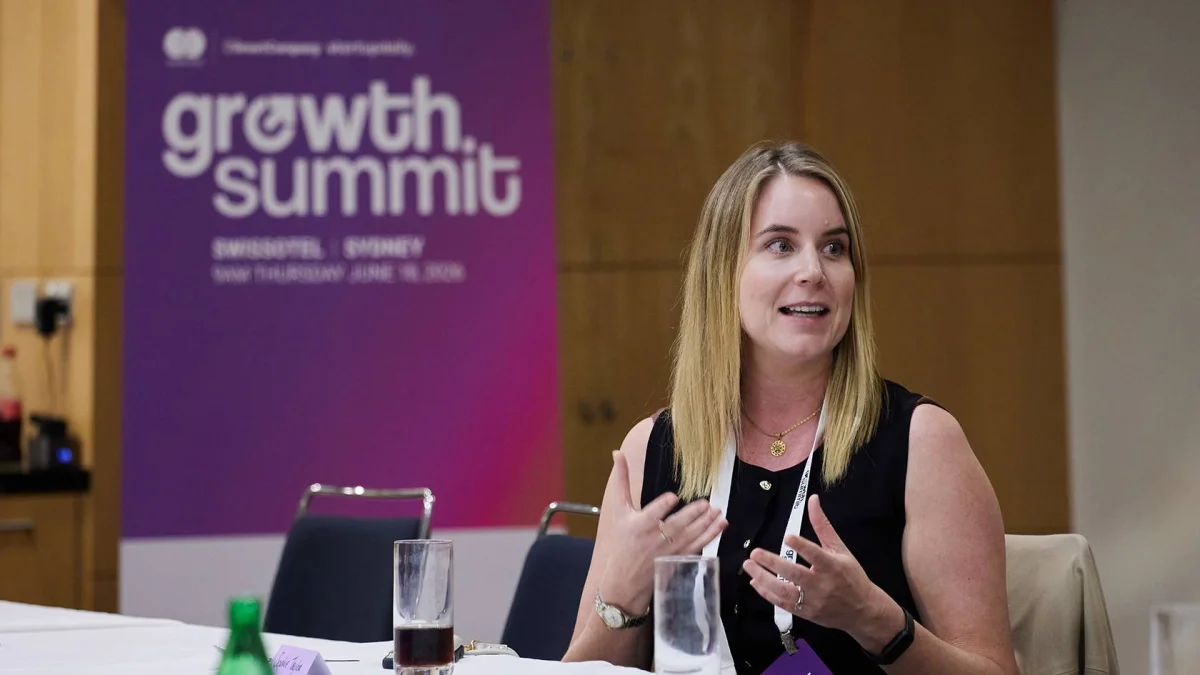
Leticia Andrac, founder of Understanding Zoe, illustrated this principle with her product that was originally inspired by her experiences as a parent to a neurodivergent child. Her platform initially focused on helping educators understand her daughter’s needs but has since expanded to serve thousands. “Engaging with the community led to a product that genuinely meets their needs,” she explained.

5. Community Benefits Can Align with Business Goals
Community impact and business profitability are often viewed as conflicting priorities. However, participants at the roundtable argued that these can actually reinforce one another. Dean Salakas said, “It doesn’t have to be either/or—commercial benefit can coincide with community good.”
Sophie Taylor, head of marketing at Pest2Kill, highlighted how creative community initiatives can enhance brand awareness and local trust, from educating children on insects to innovative fundraising campaigns like their “racing roach.” “Community initiatives can help businesses differentiate themselves in crowded markets, but it’s a long-term strategy,” Taylor emphasized.
The consensus among leaders was that businesses need not separate community impact from growth objectives. When executed thoughtfully, community initiatives can enhance company reputation and foster customer loyalty in ways that conventional marketing cannot achieve.
In conclusion, as businesses strive for genuine inclusivity, it’s crucial to internalize these lessons. Building pathways from intentions to actionable initiatives will solidify a company's reputation as a forward-thinking and socially responsible entity. The challenge lies not only in adopting these principles but fully integrating them into the fabric of everyday operations—creating a meaningful impact for both communities and businesses alike.
Learn more about how Mastercard can support your business's journey toward inclusivity.


