NYC's bike arguments reflect deeper societal issues. Understanding the underlying factors can help us find common ground around transportation and safety.
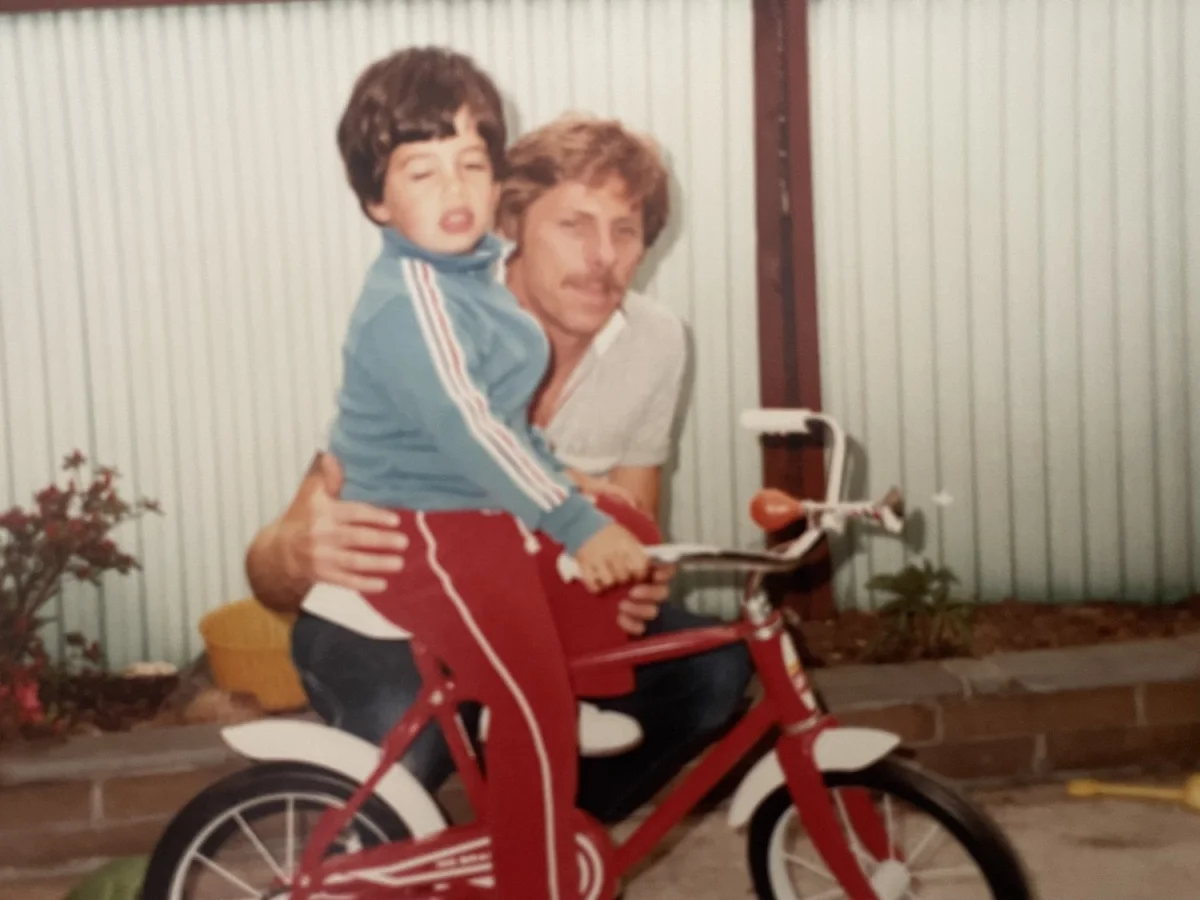
In New York City, discussions surrounding bicycles, e-scooters, and bike lanes elicit strong opinions—dividing residents more than almost any other topic. While some embrace cycling as a means of freedom, others see it as a threat to safety and community values, revealing that the conversations often stem from issues beyond the vehicles themselves.
Personal Connection to Bicycles and Cars
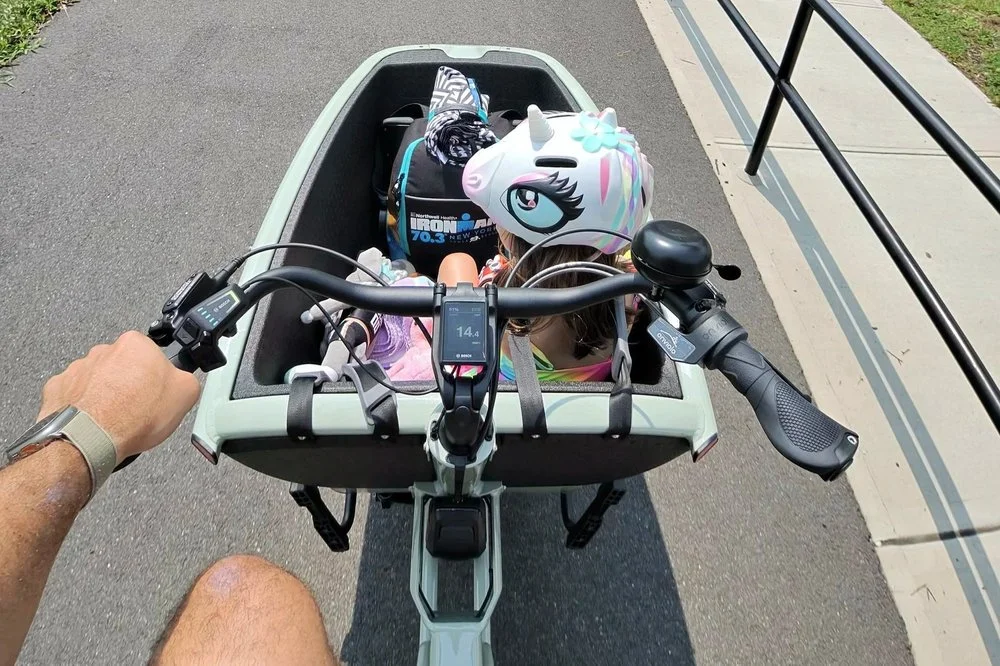
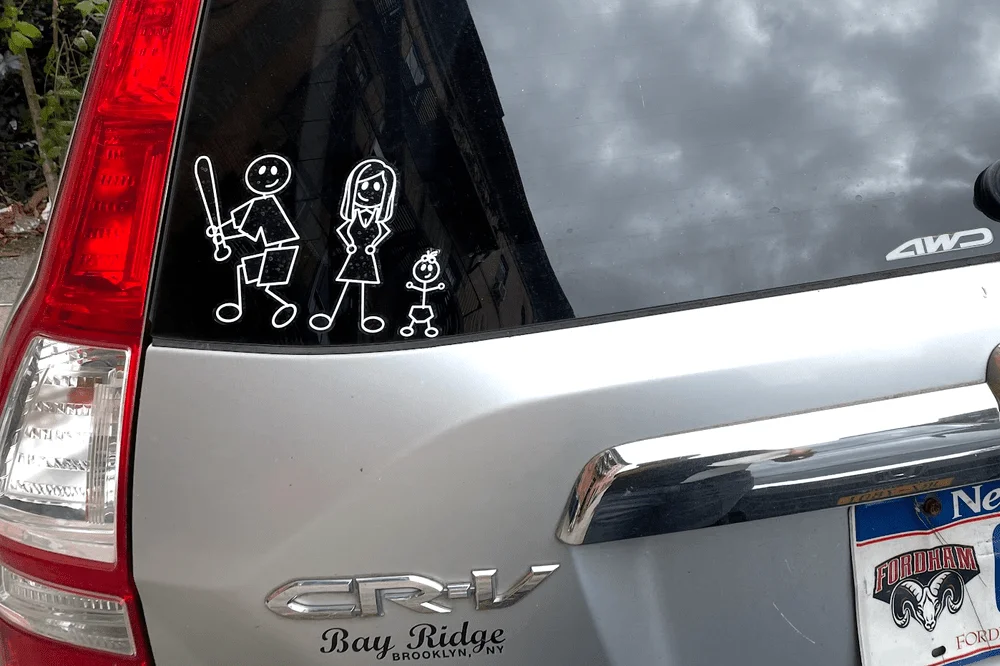
As someone who identifies primarily as a cyclist, I approach the conversation with a nuanced perspective. My experience spans a wide range of vehicles; I compete in triathlons with a high-end road bike and have recently adopted a cargo bike, driven mainly by the practicality it offers. Yet, I also have an aging Honda CR-V, which, despite its lower monetary value, promises longevity and reliability. Interestingly, I've enjoyed both bikes and cars throughout my life, each representing personal freedom during different stages of my life.
For many individuals, the car signifies autonomy. It can serve as a lifeline for the elderly or those with mobility challenges. For instance, my grandmother drove until she was 96, relying on her vehicle for independence in her later years. Vehicles often uplift social mobility and provide an escape, allowing access to opportunities—be it for social outings or necessary errands, such as a mother with COPD visiting her own mother.
The Real Stakes: Economic and Social Anxieties
However, when debates around bikes and cars unfold, they seldom focus solely on transportation. A prime example is the history of Bedford Avenue in Williamsburg, where conflicts arose over bike lanes following community complaints, particularly from the Hasidic population. These grievances, which ranged from concerns about cyclists’ attire to fears of losing parking spaces, were symptomatic of broader social anxieties about gentrification and rising rents.

This situation exemplifies how bicycles have become a scapegoat for more complex issues. For many long-standing residents, the influx of new cyclists is woven into the fabric of change that disrupts their established lives and traditions. Politicians have often leveraged these tensions for their benefit, treating bike lanes as negotiating chips rather than addressing the root anxieties provoked by demographic changes.
Misplaced Blame and Cycling Culture
Misunderstandings flourish in discussions about cycling behavior. Delivery riders, often framed as reckless, are primarily individuals working under pressure. Their aggressive riding habits don't arise from malice but rather from the demands of precarious, hourly-wage work conditions, necessitating efficiency in order to make ends meet. E-bikes are often adopted because they are accessible and allow for reduced travel time, which directly impacts earnings.
Critics of the cycling culture need to acknowledge that the delivery companies drive these aggressive behaviors by incentivizing speed over safety. Shifting pay structures could be a simple yet effective solution. For instance, rewarding riders for safe practices, rather than merely by the number of deliveries, could enhance road safety.
The Complexity of Legislative Solutions
Recent discussions surrounding e-bike regulations in the City Council highlight the complexities involved. Over ten hours of hearings resulted in limited focus on the actual causes of accidents. Despite the alarming number of traffic fatalities—over 140 in a single year—most incidents stem from motor vehicles, not from cyclists or e-bike riders.
Interestingly, there’s a perception that new cycling infrastructure denotes a "War on Cars." This narrative skews the debate, making it about identity rather than practical traffic safety improvements. Traditional car owners frequently perceive cycling infrastructure as an affront to their lifestyle, framing it as an invasion rather than a community-centric solution for urban design.
Neighborhood Perspectives and Social Change
Different neighborhoods present varied perspectives on transportation shifts. While businesses like Mitchell's on Vanderbilt opposed local Open Streets initiatives, claiming it alienated regular customers who could no longer park easily, other establishments thrived due to increased foot traffic from the community's evolving demographics. These changes underline a reality: What benefits one group may disadvantage another, complicating every discussion about cycling and vehicular use.
The polarization in opinions often reflects socioeconomic divides. Wealthier residents, already content with stable street conditions, may oppose changes like bike lanes simply to maintain the status quo. In contrast, residents from lower-income neighborhoods who rely on cars to reach jobs outside typical transit lines may view bike policies through a lens of exclusion. They often feel sidelined in narratives centered on bicycles and pedestrian safety.
Expert Input: Policies That Address Safety
The challenge lies in creating policies that encompass the voices and needs of all community members. There are traffic engineers skilled in city planning and safety, yet their input frequently gets overshadowed by emotive arguments from non-experts relying on personal anecdotes or tragic incidents.
Encouragingly, NYC has made strides in reducing traffic fatalities through innovative street design. The transition from 701 deaths in 1990 to just 205 in 2025 indicates improvement. However, while fewer traffic fatalities are encouraging, the statistic still represents a significant number of lives lost—more than twice the city’s murder rate in a given year. This highlights the remaining work to increase street safety and address underlying problems causing these fatalities.
Conclusion: Compassionate Engagement is Essential
At the end of the day, it’s crucial to see that bicycles, cars, and the debates surrounding them are intertwined with the complexities of urban change and social dynamics. Many voices echo concerns that extend beyond transportation. Recognizing this will be vital in fostering empathy on both sides of the aisle and shifting the dialogue toward collaborative solutions.
There's no easy fix, but a collective effort to understand these multifaceted issues may yield better urban design choices that appeal to a broader swath of the community. All users of city streets—from cyclists to drivers, even pedestrians—should demand a well-planned, safe environment to navigate. Changing the trajectory of this discussion could ultimately help bridge divides and create a more inclusive society.


