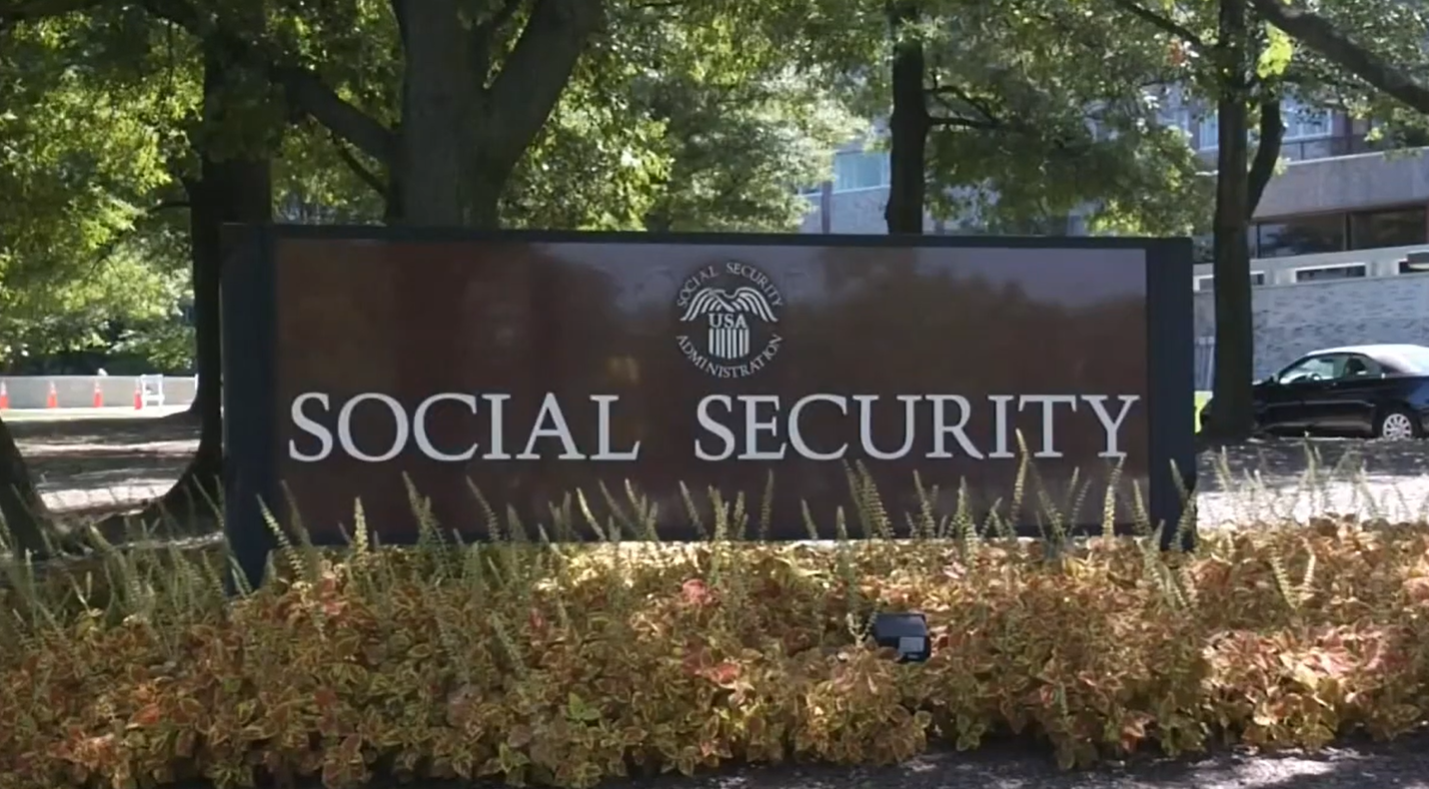
The Social Security Administration is moving to a traditional five-day work schedule, ending alternative work arrangements that some employees relied on.

The Social Security Administration (SSA) is set to transition from alternative work schedules to a standard five-day work week effective November 16. This decisive move has raised concerns among employees and unions about its impact on morale and service capacity.

Change Announcement Details
On October 5, Florence Felix-Lawson, the chief human capital officer at SSA, announced the decision to eliminate alternative work schedules which allow employees to work either four 10-hour days or a 5/4/9 schedule—a pattern that consists of nine-hour workdays for nine days, followed by a day off. This change follows an earlier announcement by the Federal News Network, which first reported on the planned adjustment.

Felix-Lawson emphasized that the shift aims to enhance staffing levels each day of the week. She noted, “The American people depend on SSA to deliver on its mission every day, and that mission depends on a workforce that is present and available throughout the week.” According to her, having employees complete work hours over fewer than five days leads to reduced staffing on the days off, creating a significant cumulative effect on service delivery.

Addressing Staffing Issues
The SSA’s decision to standardize work hours comes amid ongoing concerns about service capability. The agency argues that maintaining a consistent five-day work week strengthens its ability to meet public demands effectively. “Every SSA employee, whether or not they work directly with the public, is part of how we deliver on our mission,” Felix-Lawson stated, reinforcing the notion that uninterrupted staffing is critical for operational success.

Responses from Employees and Unions
The reaction to this decision has been swift. The American Federation of Government Employees, which represents around 35,000 SSA staff, lodged a grievance, highlighting that this move contradicts their established rights under a national contract from 2019. The union argues that a small percentage of employees currently utilize these alternative schedules, but the benefits of flexibility serve to boost morale and job satisfaction.

In a statement, the union criticized the agency's leadership, asserting that the elimination of alternative schedules would further deteriorate public service. They claim it could lead to increased attrition, as employees feel their rights and benefits are not respected. The union stated, “This decision will harm public service by further depressing morale in an already overwhelmed workforce.”

The implications of this change reach beyond just employee satisfaction; they suggest potential impacts on the quality and accessibility of services provided by the SSA. With reports of high workloads and staff shortages already affecting performance, many employees worry that the standardized work week could worsen existing issues.

The Bigger Picture
This shift to a traditional work week reflects broader trends in workforce management where agencies are increasingly scrutinizing flexible work arrangements. During the pandemic, many organizations adopted alternative work schedules to adapt to remote work and employee preferences. However, agencies like the SSA are now reconsidering these practices in light of operational demands and service delivery challenges.

The concern that fewer days on-site could diminish service capacity is a valid one, especially for agencies tasked with delivering essential services.
Lessons for Business Operations
For small businesses and startups, this situation presents a critical lesson on the balance between employee satisfaction and operational necessity. Companies must consider how flexible work schedules impact productivity and service delivery while also ensuring employee needs and morale are accounted for. Communication is key when implementing changes; as seen with the SSA situation, a lack of acknowledgement of employee concerns can lead to dissatisfaction and potential turnover.
Furthermore, businesses in similar positions should prepare for possible pushback from employees when implementing significant policy changes. Engaging with employees, understanding their needs, and finding a middle ground that satisfies both operational goals and employee rights can help navigate these shifts successfully.

As the SSA implements this transition, they will need to closely monitor employee reactions and performance outcomes to adjust their strategies in real time. This adjustment period will shed light on whether reverting to a traditional work structure will genuinely enhance their service delivery or prompt further challenges down the line.