SMEs must adapt to agentic commerce, where AI will increasingly influence customer interactions and transactions. Here's what businesses can do now.

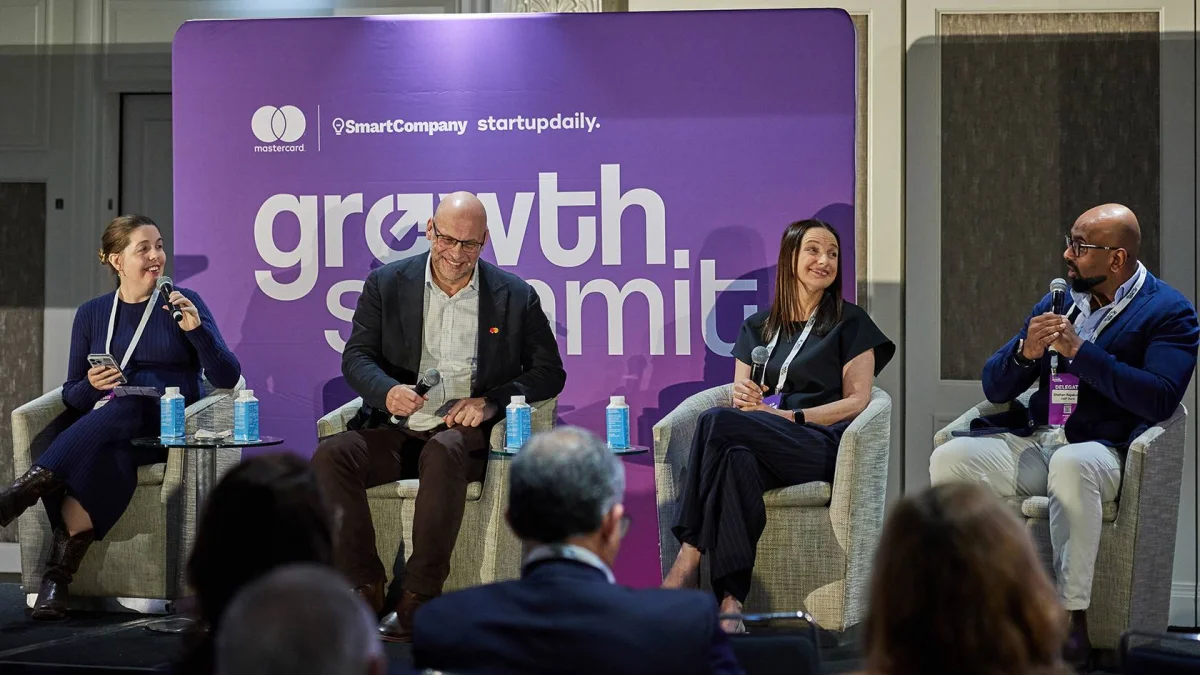
As technology continues to evolve rapidly, small and medium enterprises (SMEs) face a critical challenge: keeping pace with advancements such as agentic commerce. At a recent panel discussion titled "The Rise of Agentic Commerce" during the Growth Summit, experts emphasized that businesses must prepare for changes in how customers will discover and purchase products in the future.

The Shift to Agentic Commerce
Unlike existing AI assistants that primarily offer information or generate content, these agents will take a proactive role in searching for products, comparing options, and even completing purchases. This shift is expected to lead to substantial changes in how customer relationships are formed and managed.

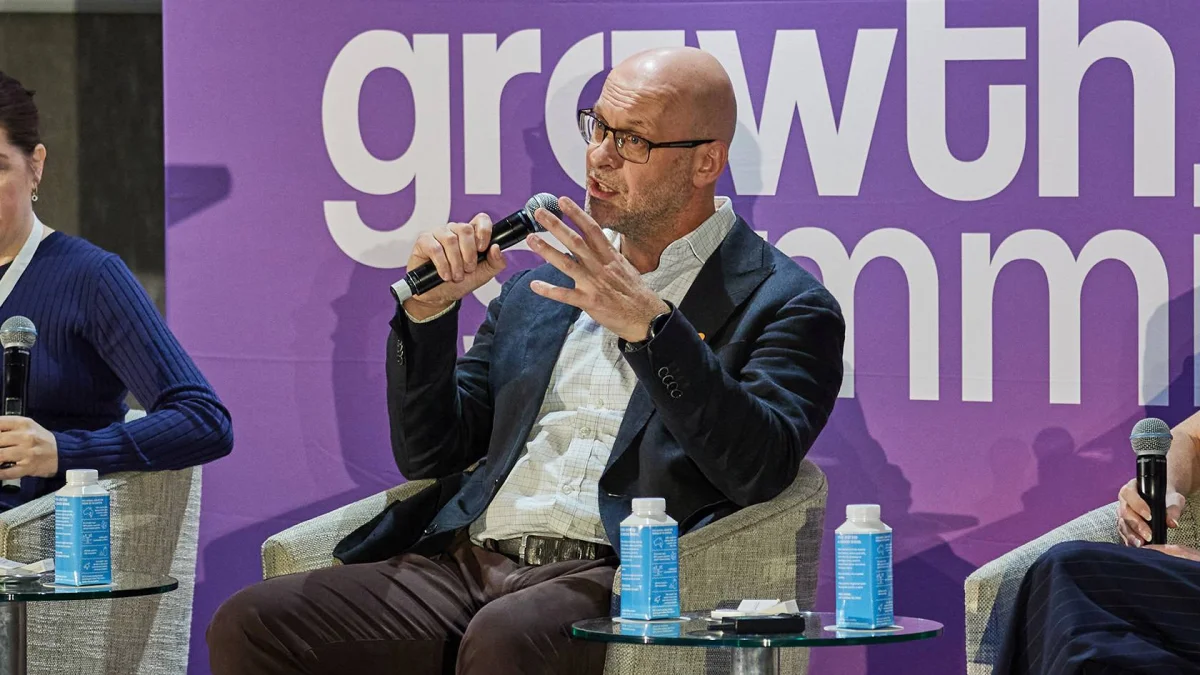
Paul Monnington, Division President, Australasia at Mastercard, underscored the significance of this emerging channel. "Small businesses should care about agentic commerce because that buying channel is growing massively," he said, highlighting that customer interactions may shift away from traditional avenues like search engines and social media towards AI-driven experiences. The importance of adapting to these changes cannot be overstated, as Monnington noted the mobile and internet infrastructure already in place to support agentic commerce.
Immediate Benefits for Small Businesses
While the concept of agentic commerce may sound futuristic, it holds practical advantages for SMEs now. Panelists outlined how these AI technologies can streamline administrative tasks, enhance visibility, and improve cash flow management. "Cash flow is the number one point of friction for small businesses," shared Sally Davies, General Manager of Solo and Embedded Finance at MYOB, stressing that 69% of small enterprises express ongoing anxiety about cash flow issues.

AI agents can take over repetitive tasks such as transaction monitoring and financial reconciliation, allowing business owners to focus on more strategic activities. Davies cautioned, however, against rushing into full automation without first understanding how these tools can provide value. "Don't rush to automate a broken process," she advised, echoing Rajakumar's recommendation to take gradual steps when integrating AI.
Building Trust in Agentic Commerce
A critical factor in the adoption of agentic commerce is establishing trust. Businesses must clarify parameters for AI agents: what actions they can take, when they require human approval, and accountability for any errors. Rajakumar illustrated this with an example from AMP Bank’s pilot project using Mastercard technology, where an AI agent could assist business owners with essential tasks like finding workspace during travel. Such applications must be fortified with robust trust boundaries to ensure that businesses feel secure in leveraging AI.

Monnington pointed out that Mastercard is developing features to enhance control in the agentic commerce framework, which includes recording user intents and ensuring purchases align with authorized actions. For SMEs, having comprehensive governance and transparency about AI decisions is paramount.
Preparing Data for AI Optimization
As agentic commerce matures, businesses need to optimize their data in ways previously reserved for search engine optimization. Monnington suggested that SMEs prepare extensive product-related data, including pricing, SKU, descriptions, and other attributes that AI agents will leverage when seeking out products or services. "Bots will not just look for prices; they will consider loyalty data, delivery times, and product reviews," he explained. This evolution means that effective visibility will hinge less on marketing budget size and more on how well businesses structure their data.
The Regulatory Landscape
With the transition to agentic commerce, there’s a pressing need for regulation and industry standards. Rajakumar noted that trust hinges not only on individual businesses' practices but also on how banks, regulators, and platforms collaboratively develop clear operational rules. This clarity will be essential as companies adapt to situations where AI agents might autonomously make payments or act outside established parameters.
There is a recognized gap in the market for comprehensive guidance that assists business owners in navigating these changes confidently. Both Rajakumar and Davies emphasized the importance of industry-level collaboration to address concerns about liability and ensure protection for businesses engaging with AI-driven solutions.
Final Thoughts and Moving Forward
Ultimately, SMEs that begin to explore and integrate agentic commerce now are positioning themselves for future success. By focusing on gradual implementation, building trust, optimizing their data for AI agents, and advocating for regulatory clarity, small business owners can ensure they are not left behind in this rapidly evolving market. With early adaptation, SMEs can harness these technologies to streamline operations and enhance customer interactions, setting the stage for sustainable growth in the digital age.


