Discover the key responsibilities, skills, and effective strategies essential for thriving as a Business Development Manager.


Business Development Managers (BDM) are vital to driving growth within organizations, focusing on generating new business opportunities through strategic outreach and client relations.

The Role of a Business Development Manager
A Business Development Manager's core responsibilities revolve around identifying and fostering new leads, exploring market opportunities, and enhancing client relationships to maximize revenue. Essentially, their role serves as the bridge between a company’s sales and marketing departments and its executive leadership.
Key responsibilities include:
- Lead Generation: Actively seeking new prospects for the sales team.
- Market Identification: Analyzing and determining new market opportunities for growth.
- Client Relationship Management: Cultivating existing client relationships for better engagement and revenue.
- Communication Bridge: Acting as the liaison between senior executives and sales/marketing teams.
- Product Expertise: Having an in-depth understanding of the company’s products and services.
- Sales Forecasting: Predicting revenue based on data analysis and market trends.
While there are no strict educational prerequisites, many BDMs have backgrounds in marketing, business, sales, or related fields. Often, they advance to this role after gaining experience in sales or marketing positions, demonstrating their capabilities and understanding of the business landscape.
Essential Skills for Successful BDMs
Being an effective BDM requires a wide-ranging skill set. Here’s what you should focus on:
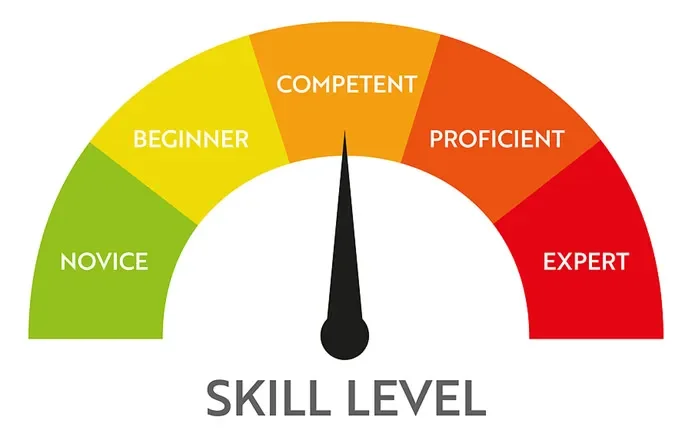
- Exceptional Communication: Persuasion is crucial. A BDM must excel in both verbal and written communication, from cold calls to negotiations.
- Strong Organizational Skills: Juggling multiple tasks, deadlines, and stakeholders requires effective prioritization and planning.
- Self-Motivation: BDMs should proactively set their sales targets and thrive on independence.
- In-depth Product Knowledge: Proficiency in the company’s offerings is crucial. Understanding how these fit into market demands can significantly impact success.
- Technical Proficiency: Familiarity with various sales software tools (like CRM systems) is essential for tracking progress and managing leads effectively.
- Robust Networking: Building a network of industry contacts can lead to new opportunities and potential clients.
Continuously refining these skills through practical experience and targeted training can enhance a BDM's ability to contribute to the organization's overall goals.
Strategies for Success
Success in the BDM role is not just about acquiring leads; it’s also about strategic planning and execution. Here are several effective strategies:
- Build and Maintain Client Relationships: Establish a rapport with key clients to encourage loyalty and repeat business.
- Seek Strategic Partnerships: Collaborate with complementary businesses to tap into new client bases and joint marketing efforts.
- Market Exploration: Continuously research and identify new market segments to introduce offerings.
- Innovation in Sales Techniques: Develop creative sales approaches, promotional strategies, or pricing models that appeal to potential customers.
- Motivate Teams: Inspire sales and marketing teams by sharing success stories and setting clear objectives while encouraging creativity.
- Product and Service Expansion: Propose new ideas for service and product lines to meet evolving customer needs.
Establishing a consistent sales strategy that aligns with the company vision is paramount. The BDM should also frequently evaluate the effectiveness of current tactics and be ready to pivot when necessary.
Building Effective Habits
Successful BDMs possess specific habits that contribute to their achievements. Here’s a look at some of those habits:
- Regular Market Analysis: Continuously analyze market trends to understand shifting consumer behavior.
- Active Listening: Engage with clients to grasp their needs and tailor solutions accordingly.
- Setting Clear Goals: Establish short and long-term objectives to track progress consistently.
- Continuous Learning: Stay informed about industry developments and best practices through training and networking.
Forming these habits leads to greater adaptability and effectiveness in the BDM role.
In conclusion, the role of a Business Development Manager is multifaceted, requiring a blend of interpersonal skills, strategic thinking, and a deep understanding of market dynamics. By honing these skills and employing effective strategies, aspiring BDMs can drive significant growth for their organizations.