Understanding the five key stages of negotiation can enhance your approach to creating win-win outcomes in sales, driving client satisfaction and loyalty.
Successful negotiation is essential for achieving sales targets. A negotiation is deemed successful when both parties agree on terms that meet each other's needs, leaving both feeling satisfied with the outcome. However, reaching this point often presents challenges.
When engaging in negotiations, there may be disagreements that lead either party to make unwelcome compromises or demand concessions, which can jeopardize the potential deal and result in lost business. Yet, mastering negotiations doesn't have to be an overwhelming task; it involves understanding the underlying principles and executing them effectively.
In this guide, we'll explore the structure of a negotiation, the different types, and, crucially, the five stages of the negotiation process that can lead to fruitful deals.
Understanding the Negotiation Process
Negotiation can be defined as any dialogue between two or more parties aimed at reaching a mutual agreement through compromise. This can take various forms, such as sales contracts or service agreements. The involved parties strive to achieve the best possible terms for themselves, engaging in a dynamic exchange that can often resemble a tug of war.

In sales, the dynamic involves a salesperson urging a prospective buyer to accept specific terms, while simultaneously, the buyer seeks to persuade the salesperson to modify conditions to their favor. Ultimately, both parties must be willing to adjust their initial positions to reach a mutually satisfying agreement—a scenario often referred to as a "win-win."
Distinguishing Negotiation from Bargaining
It's important to recognize that negotiation extends beyond simple bargaining over prices. While bargaining might include haggling to agree on a price point, negotiation encompasses a broader range of discussions, including expectations, terms, and potential compromises required in reaching an agreement. Additionally, negotiation is distinct from dispute resolution, which deals with resolving conflicts rather than reaching agreements.

Types of Negotiation
Understanding the different types of negotiation can better inform your approach. There are primarily two categories:
1. Integrative Negotiations
Integrative negotiations are often termed win-win scenarios. Here, parties aim for a resolution beneficial to both sides rather than firmly holding to opposing demands. Instead of solely fighting for their own interests, involved parties collaboratively identify solutions that provide additional value.
This approach to negotiation fosters a shared commitment to finding a resolution that leaves both parties feeling satisfied. In sales, achieving a win-win outcome strengthens customer relationships and increases the likelihood of repeat business and long-term loyalty. This type of negotiation is also a key focus in account management practices designed to maximize profitability over time.

2. Distributive Negotiations
Conversely, distributive negotiations are characterized by a competitive stance, often referred to as a “hard bargain.” In this scenario, one or both parties adopt extreme positions, leading to a stalemate unless one party concedes. Such negotiations often conclude with one side feeling defeated, resulting in a win-lose outcome.
In sales contexts, achieving a win-lose outcome may seem advantageous initially but can risk creating negative perceptions, reducing the likelihood of future transactions. Consequently, fostering cooperative and integrative negotiation practices is encouraged for building sustainable relationships.
The 5 Stages of the Negotiation Process
To successfully navigate negotiations, it's crucial for salespeople to effectively manage the five stages of the negotiation process. Mastering these stages can result in creating favorable agreements while ensuring client satisfaction.

1. Preparation and Planning
The foundation of successful negotiation lies in thorough preparation and strategic planning. Effective negotiators understand that preparation is not merely an option but a necessity. Approaching the negotiation from the prospect's perspective is essential—anticipating objections and preparing for potential pushback can help set the stage for productive discussions.
Gaining insights into the market, industry trends, and the buyer's preferences can also enhance preparation. For example, if your product has cheaper alternatives, knowing your unique selling points creates leverage during discussions. Being well-informed about your offerings, anticipating competitive moves, and understanding the buyer's needs are all crucial components of preparation.
Key elements to consider during preparation include:

- Understanding what the prospect values most.
- Identifying the interests beyond just positions.
- Gathering reliable facts versus mere opinions.
- Preparing for all possible objections or counteroffers.
- Establishing your Best Alternative to a Negotiated Agreement (BATNA).
Robust preparation enables you to adapt dynamically during negotiations and increases the probability of securing favorable outcomes.
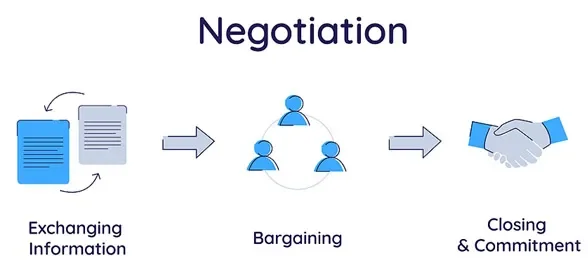
2. Exchange of Facts and Information
This stage is where an open exchange of information sets the tone for constructive discussions. Once both parties convene, they should promptly share their initial positions and expectations, fostering a conducive atmosphere for dialogue.
Encouraging the prospect to lead initial conversations provides valuable insights into their priorities and attitudes, helping to gauge how adversarial or collaborative the negotiation may become. Listening actively to the prospect—beyond just their words—allows you to discern underlying motivations and intentions that may not be explicitly stated.

Asking thoughtful questions plays a critical role in encouraging dialogue. Allowing the prospect to voice their priorities not only aids in gathering pertinent information but also positions you as an attentive and engaged listener, building trust from the outset.
A productive exchange of facts helps establish common ground, leading to stronger rapport between negotiators, which is crucial for long-term relationships.
3. The Bargaining Stage
The bargaining stage represents the crux of the negotiation process. Here, both parties engage in an iterative exchange of offers and counteroffers, assessing what concessions can be accommodated from both sides. It's vital to remain focused on the prospect's interests while negotiating terms, ensuring that both you and the prospect feel secure in the compromises made.

During this period, tempers may run high, requiring emotional control to navigate the discussions effectively. Maintaining a calm demeanor, even amidst tension, ensures that the negotiation remains constructive. Aim to establish a common ground that meets both parties' needs without resorting to contentious tactics.
It’s essential to balance firmness on key demands with flexibility on less critical issues; demonstrating an eagerness to find solutions will enhance your relationship with the prospect and lead to better outcomes.
4. Gaining Commitment and Conclusion
As the negotiation process progresses toward closure, the emphasis shifts toward confirming the terms agreed upon. At this stage, following through on previously established frameworks will foster a sense of confidence and commitment from both parties. Revisit the agreed-upon points to eliminate any potential confusion while being attuned to the prospect's non-verbal cues.

A successful conclusion will ideally leave both parties feeling they have achieved their respective goals. Engagement at this stage involves asking the client what they envision moving forward in the relationship, thereby opening discussions on continued collaboration.
5. Take Action and Execute
In the final stage, actionable steps solidify the agreements reached during negotiation. It's essential to clarify any paperwork or contracts required to formalize the agreement and ensure that both parties understand the next steps in the collaboration.
Finalizing actions should also involve enhancing the perceived value of the agreement in the prospect’s mind, reinforcing their decision to engage further with your business. If a formal contract is required, ensure all terms accurately reflect the signed agreement, thus minimizing the risk of renegotiations or misunderstandings later on.
By diligently following these five stages, sales professionals can create a more straightforward negotiation process, streamlining communications and aligning prospects and clients with the organization’s goals.
For those looking to refine their negotiation skills, consider exploring additional resources and training programs specifically designed to enhance your abilities in the negotiation arena. Mastery of negotiation techniques can lead to better relationships and improved business outcomes.
Discover more in our guide on the 10 Top Qualities of a Good Negotiator, providing insights into skills to cultivate for negotiation excellence.


