A well-structured sales process is key for adapting to evolving customer expectations. Here’s how to design and improve your strategy.

Sales isn’t just about making transactions; it’s a dynamic journey focused on building relationships with customers, understanding their needs, and guiding them toward making educated decisions. A robust sales process is crucial for entrepreneurs and small business owners aiming to maintain relevance in a constantly shifting market.
Defining the Sales Process
At its core, the sales process is a repeatable series of steps that sales teams follow to convert prospects into customers. Think of it as a roadmap that provides structure to what can be a chaotic and unpredictable environment. This isn’t a rigid script; rather, it’s a flexible framework that adjusts to each customer’s unique situation.
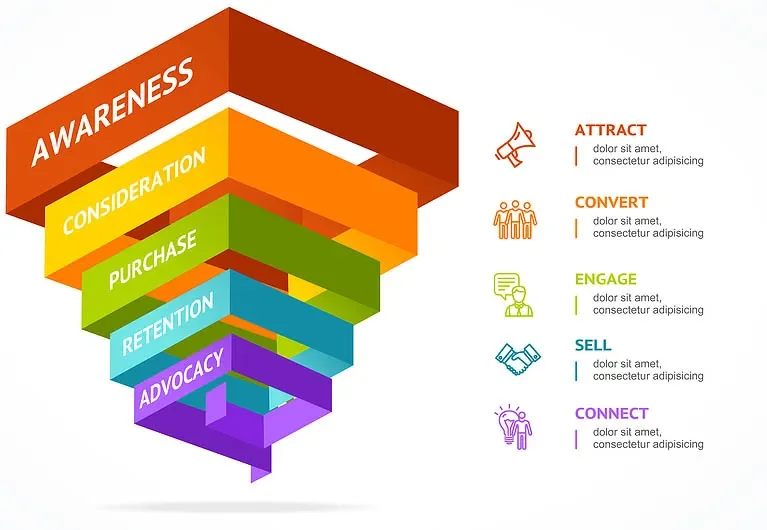
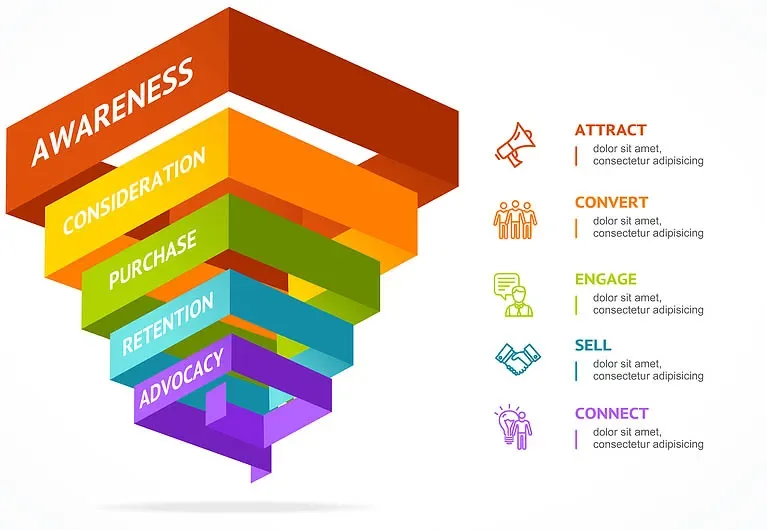
Generally, a sales process will include multiple stages. These stages might be labeled in various ways, such as “identify, connect, explore, advance” or “position, discover, present, resolve, commit.” Each section serves to guide the relationship between seller and buyer, creating a coherent flow that nurtures the prospect's journey.
It’s important to regularly evaluate and update your sales process. Consumer preferences shift over time, and if your approach doesn’t evolve with them, you risk alienating your customer base. For instance, traditional methods that worked a few years ago may feel outdated today. Continuous improvement is vital.

Key Shifts in Buyer Behavior
Understanding current buyer behavior is essential for enhancing your sales process. Here are some notable shifts:
1. Changing Contact Methods
Consumers today rely heavily on digital resources. Previously, the sales process often involved direct demonstrations or traditional marketing efforts to convey product value. Nowadays, buyers perform their own research online before making initial contact. Your sales strategy should shift focus from simply showcasing products to articulating the specific outcomes customers can expect.
2. Demand for Differentiation
Prospective clients frequently express dissatisfaction with a lack of distinction among similar products or services in the marketplace. A typical remark is that they see little differentiation between offerings from various suppliers. This indicates that your value proposition needs to be more clearly defined and communicated. Positioning your solutions as unique is crucial; otherwise, your products might be viewed as commodities, leading to constant price competition.
3. Emphasis on Return on Investment (ROI)
While price is a significant factor, buyers are increasingly concerned about the ROI of their purchases. Customers appreciate understanding how the investment will benefit them in the long term. Therefore, it’s critical to demonstrate that higher-priced options can deliver greater value and returns compared to cheaper alternatives. By articulating a clear ROI, you can better persuade potential customers to view your offerings as worthwhile investments.

Improving Your Sales Process
To effectively enhance your sales process, consider the following actionable strategies:
1. Audit Your Current Sales Process
Analyze each stage of your existing process to identify bottlenecks or inefficiencies. Engaging with your sales team can provide invaluable insights, as they are on the front lines dealing with customer interactions and feedback.
2. Adapt to Evolving Technologies
Use customer relationship management (CRM) software not just to manage contacts but to glean insights from data. This information can help tailor your approach to meet customer needs better and anticipate changes in consumer behavior.
3. Focus on Relationship Building
Invest time in understanding your clients. Engaging with them through personalized communication methods can foster stronger relationships and create trust. Besides direct communication, utilizing social proof—like case studies or testimonials—can reinforce your credibility and uniqueness.
4. Train Your Sales Team
An ongoing training program for your sales force will ensure they stay informed about product knowledge, market trends, and sales techniques. Role-playing exercises can aid in preparing your team to navigate various sales scenarios and effectively address client concerns.
5. Feedback Loop
Establish a means for collecting feedback from both customers and your sales staff. Regularly review this input to make informed adjustments to your sales strategy. This will help ensure that you remain in tune with customer preferences and market changes.
In conclusion, an effective sales process is characterized by its ability to adapt to the changing landscape of consumer expectations. As market conditions evolve, so too should your strategies. By continually refining your approach, engaging with clients genuinely, and providing compelling value propositions, you position your business for sustainable growth.


