Many professionals make decisions under stress and distraction, which impacts their effectiveness. A unified task management system can enhance decision quality.
If you’re in a professional role, chances are you’re regularly faced with a barrage of decisions. On average, employees make about 35 decisions a day, but that number doubles for those in leadership positions. Despite this frequency, many make these decisions without effective systems in place, leading to suboptimal outcomes. Below, we’ll explore the underlying reasons why many professionally capable individuals fail to make sound decisions and offer practical solutions to improve your decision-making process.
Let’s start by considering two critical questions:
- How often do you make decisions with all necessary information at your fingertips?
- How frequently do you find yourself making choices while feeling scattered, stressed, or overwhelmed?
For many, the reality is that they are navigating their workdays based on educated guesses rather than informed choices. This tendency to “wing it” can lead to significant costs in the workplace, including:
- Rework due to errors
- Missed deadlines
- Loss of trust among team members
- Employee burnout
- Financial loss attributable to poor decisions
None of these negative outcomes stem from a lack of intelligence or effort. Instead, the root cause lies within the structural management of tasks. For example, inadequate task management can create what’s termed “the work behind the work,” a concept crucial to improving overall workplace efficiency.

Your Workday is Harder Than It Should Be
Professionals frequently express their dissatisfaction with various tasks during the workday. Their frustrations can include:
- "I wish I was better at tracking projects."
- "How can I manage my workload when there are so many interruptions?"
- "How can I maintain energy during the day, especially with constant notifications?"
The common theme in these sentiments is the energy and time lost in managing chaos rather than the actual work itself. This inefficiency cripples the ability to make sound decisions—a fundamental tenet for effective business operations. When individuals are preoccupied with juggling various tasks, or are often sidetracked by distractions, they are less effective and productive.
Understanding “Task Scatter” and Its Impact
To illustrate the current predicament professionals face, consider the concept of “task scatter.” Tasks and responsibilities emerge from diverse sources, cluttering your mental space. Important emails, notes, and files are often scattered across multiple platforms, making prioritization virtually impossible. This fragmentation can induce stress and anxiety and lead to chaotic work conditions, impacting decision quality.
When you can't see all of your tasks at once, prioritization becomes a guessing game. Lacking a complete view of your responsibilities can result in pervasive underperformance and anxiety about missed obligations—common sources of workplace distress.
Why Great Decisions Are Hard to Make Consistently
Several interconnected factors contribute to the breakdown in decision-making quality:
1. Information Overload
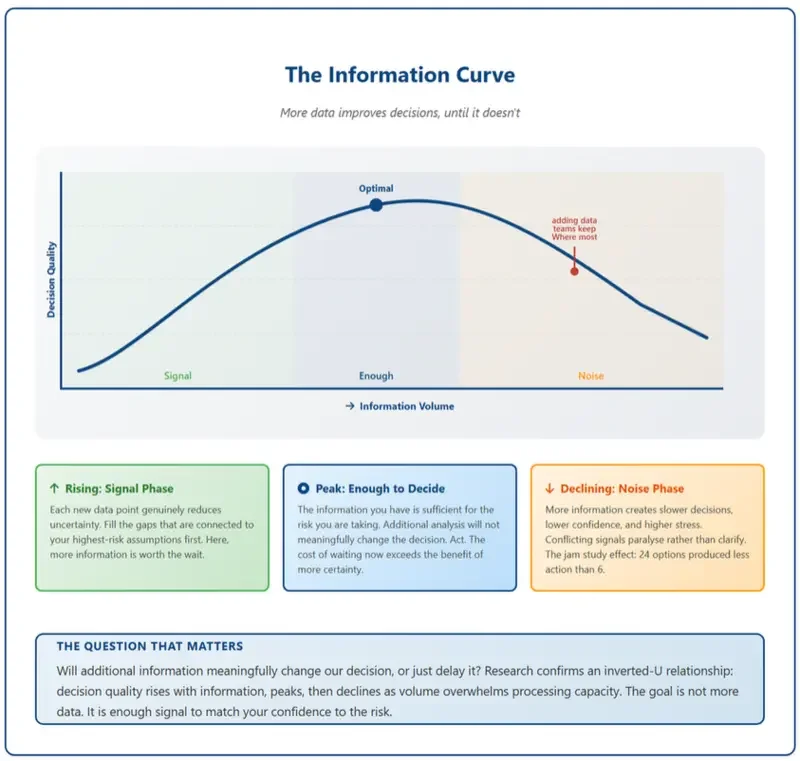
With tasks arriving from multiple channels—email, apps, and notes—your efforts to stay organized can become overwhelming. Without a proper framework to manage these inputs, the cognitive load can exceed your capacity for rational thought.
2. Decreased Awareness
Failure to accurately track tasks diminishes your awareness of what needs to be done, which affects your ability to make speedy, informed decisions. Clarity becomes a casualty when tasks are disjointed.
3. Pressures and Deadlines
Constant time constraints breed an environment where decision-making suffers. The urgency can often overshadow the need for thoughtful analysis, leading to impulsivity instead of deliberation.
4. Continuous Distractions
Emails, pings, and other interruptions vie for your attention constantly. Studies show that fully regaining focus can take an average of over 23 minutes after each disruption, severely compromising your overall productivity.

5. Scarcity of Time
With inefficient processes in place, employees often find themselves pressed for time. High pressure from deadlines further complicates the ability to devise thoughtful responses to challenges.
These cumulative stressors trap individuals in a cycle of ineffective decision-making, where decisions tend toward habitual rather than adaptive responses.
Issue #1: Pressure Leads to Poor Decision-Making
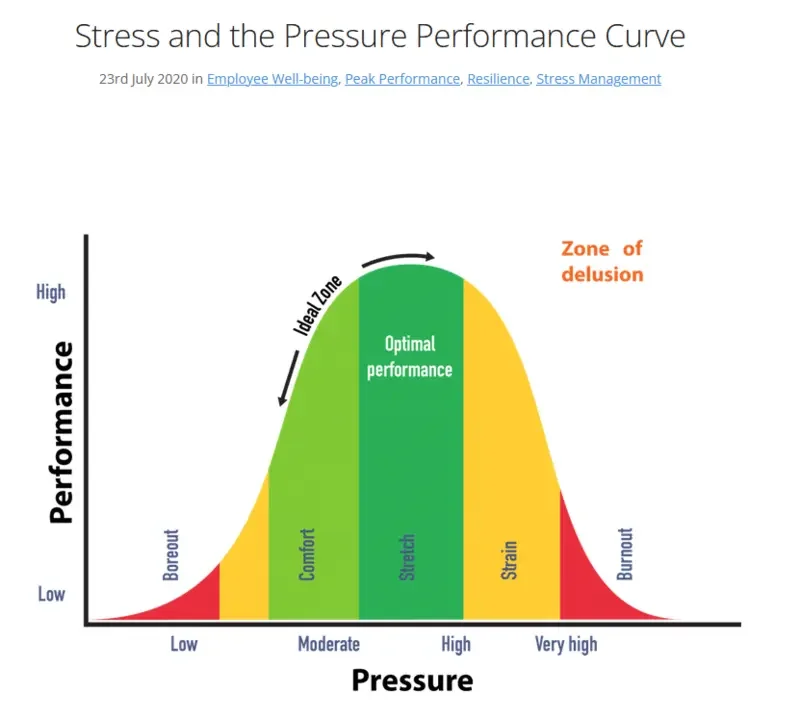
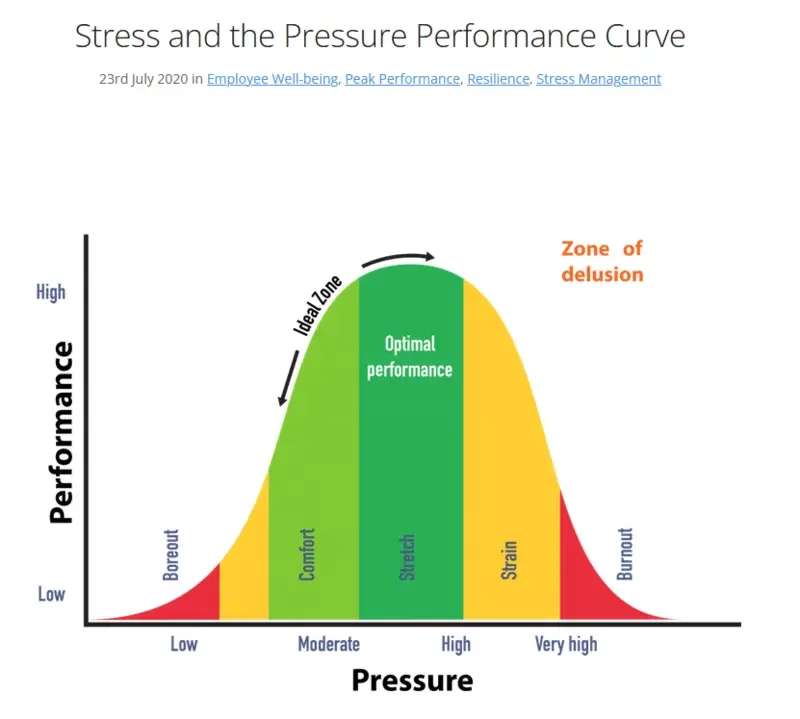
While some assert that stress enhances productivity, research contradicts this belief. Chronic stress hampers cognitive function by impacting blood flow to the brain, thus compromising the ability to make rational choices. Under pressure, individuals often revert to ingrained habits instead of tackling new challenges, especially when unexpected situations arise.
The result? Workdays filled with hurried, suboptimal choices—further compounding stress as professionals realize they’re often stuck in a reactionary state.
Issue #2: Cognitive Distraction
Cognitive distractions take a substantial toll on decision quality. Research indicates that distractions not only consume time but also degrade focus and information retention, making substantial decision-making ineffective.
A workplace with frequent disturbances means that thoughts are initiated but rarely completed, further complicating the decision-making process.
Issue #3: The Balance of Information
The information overload curve shows that while relevant information can improve decision-making, too much data can be detrimental. Employees often waste excessive time searching for needed information, which can lead to frustration and a higher likelihood of errors.
Studies suggest that employees waste hours each week looking for needed information, a factor that detracts from their capacity to analyze and act on available data effectively.
Building Effective Solutions for Better Decisions
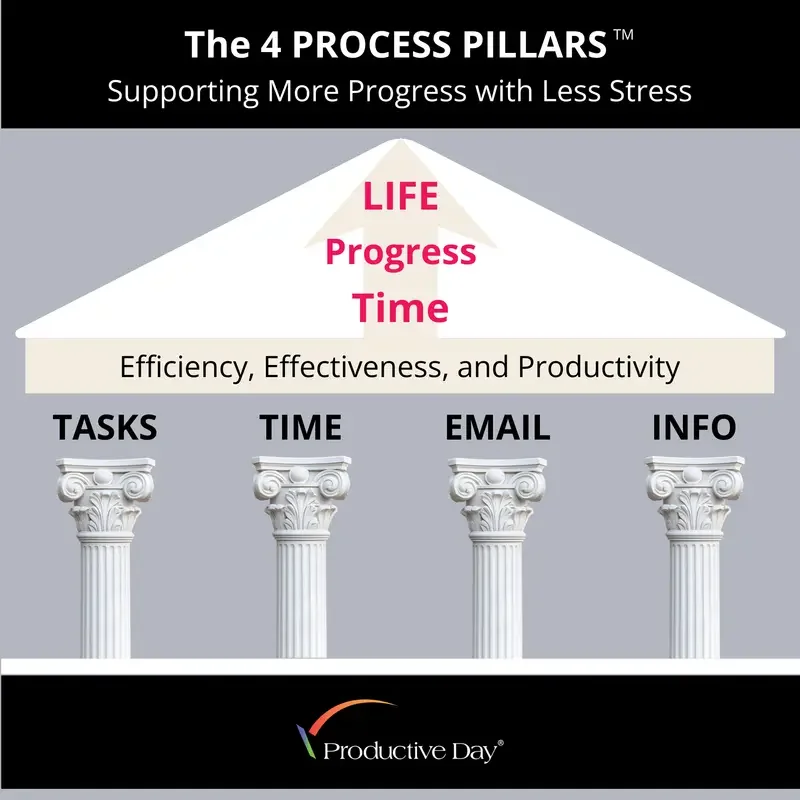
Improving decision quality calls for an integrated approach. Implementing a single management system can help consolidate tasks, emails, and information, allowing professionals to operate from a clear and comprehensive view of their workload.
Such a system can enhance one’s ability to prioritize tasks accurately, reducing the chaos of decision-making and enabling more logical, confident choices. The establishment of a unified system for task management helps employees clearly see their responsibilities and execute driven decisions.
Conclusion: Making Smart Decisions in a Complex Environment
The real need isn’t just for more tools or technology—it's for a solid foundation that makes the decision-making process clearer. By focusing on cohesive task management and creating well-structured systems, professionals can escape the cycle of ineffective decisions.
Ask yourself: Which of the issues discussed—scattered tasks, overwhelming pressure, distractions, or lack of time—is impacting your decision-making the most? Solving this can lead to a profound improvement in both your daily productivity and your overall job satisfaction.
For lasting change and improvement, commit to building a supportive framework that will enhance your capacity for decision-making—smoothing out not just your workflow, but enhancing the quality of every decision you make.


