Exploring the nuances of due diligence in venture capital, this article emphasizes targeted strategies to effectively assess startups while avoiding unnecessary pitfalls.
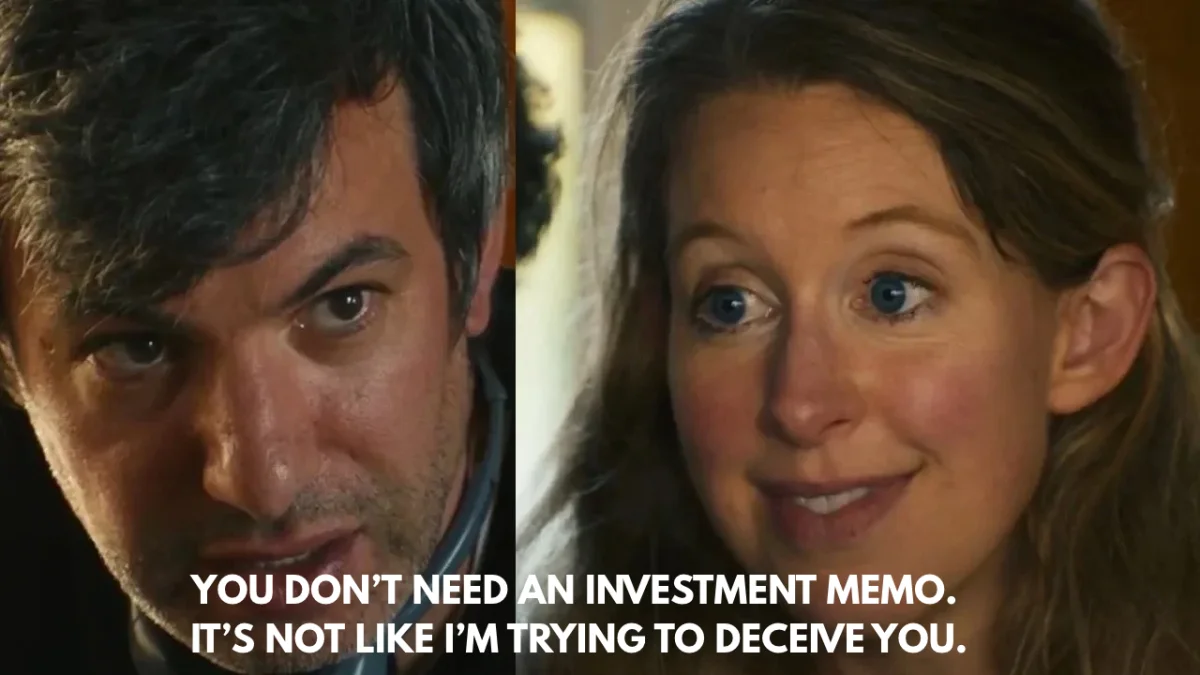
When it comes to venture capital, stories of high-profile failures like Trevor Milton's infamous demo of a non-functioning Nikola truck or Charlie Javice's misleading claims about user numbers at Frank remind us of the potential pitfalls in investment decisions. Such headlines, while sensational, only scratch the surface of what due diligence in venture capital requires.
Despite these shocking examples, significant fraud in startups remains relatively rare. Investors might scan through a list of firms entangled in scandals and recognize many reputable names among them. Take, for instance, how some venture firms require extensive documentation—up to 100 pages—before they’ll commit even a pre-seed check. In contrast, other firms can make quicker decisions relying on the founders’ backgrounds and initial conversations. This dissonance raises vital questions about the true necessity and efficiency of due diligence processes.
Understanding the Layers of Due Diligence
To navigate the complex landscape of early-stage investing, it’s crucial to differentiate among the various aspects of due diligence:
1. Fraud Prevention: At the foundational level, investors should ensure the team is legitimate. However, outright deception is rare in early-stage investments, primarily owing to the relatively modest amounts at stake. Investors often have connections in the industry that allow for preliminary checks without extensive background investigations. Knowledge about founders is typically accessible due to their previous roles or industry presence.
However, does conducting background checks always yield the best insights? In practice, such checks can yield unsettling revelations, as one investor found out when they learned about a founder’s past marijuana arrest. While concerns surrounding a criminal past may engender caution, attitudes towards such issues are shifting. Many understand that prior criminal activity may not reflect a person’s current character or capabilities.
2. Verifying Validity: Next up is assessing whether the founders have accurately represented their companies’ offerings. A good way to do this is to tap into the founder’s prior experiences and insights into the market. If they operate within a niche as an expert and claim to offer solutions to a problem they’ve personally encountered, there’s likely a higher chance their claims hold up. Investors can leverage this knowledge to sift fact from fiction before committing.
Ultimately, dialogues with customer bases and industry peers can provide invaluable validation for claims made by founders. If someone has strong support in the community, that adds weight to their case.
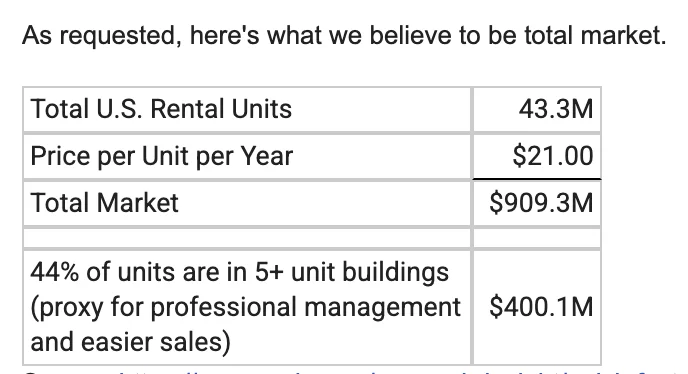
3. Understanding Market Potential: Determining market size often lies at the heart of venture funding discussions. However, aspiring founders may understate their market potential, much as Minna Song discovered with EliseAI, initially estimated at a modest $400 million. This misconception can lead to missed investment opportunities, particularly when considering market dynamics that may rise unexpectedly.
Investors often fixate on market size as a performance metric but can be misguided. It's essential to pose upside-focused questions to gauge the extent of potential opportunities, challenging the conventional notion of simply analyzing current market segments.
4. Financial Modeling: Another critical component of due diligence is analyzing the financial model. Investors need to sift through the numbers while recognizing that founders come from diverse backgrounds with different approaches to setting financial conservatism levels. Evaluating a founder’s willingness to explore expansive scenarios may provide deeper insights into their character.
Desiring More Than Just Due Diligence
Of course, due diligence should not merely serve as a bureaucratic hurdle. Instead, it ought to be an exercise in discovery—finding new opportunities within a potential investment. When firms prioritize thorough assessment without heavy bureaucracy, they can unearth new avenues of value creation.
For example, firms should aim to assist startups by leveraging their networks and introducing them to potential clients who match their ideal customer profiles. Insightful discussions with founders can evolve significantly when investors facilitate meetings that elevate the startup’s strategic outlook and operations.
The Importance of Team Evaluation
How does one assess whether an early-stage team's competencies align with the required context for success? Simply put, does the team demonstrate the skills necessary to navigate the challenges ahead? Their past experiences and demonstrated creativity directly correlate with their capacity to succeed. Founders need to possess a robust understanding of their market and effective strategies to acquire customers.
This is equally pertinent for ventures targeting unique sales environments, like government contracts or educational institutions. If a founder doesn't possess that specific experience or fails to learn from others, the likelihood of effectively addressing these sales channels diminishes significantly.
Distinct Challenges of Later-Stage Venture
As startups mature, the nature of due diligence shifts. More data becomes available, enabling deeper investigations into both team dynamics and performance metrics. Seed rounds typically demand more agile assessments, whereas later-stage tools afford rigorous assessment processes.
For seed investors, the imperative lies in swiftly gathering sufficient knowledge and insights, as the stakes are higher in terms of potential repercussions. With the ever-increasing cash flow in these early rounds, understanding when to commit is vital in a dynamic investment environment.
Valuing Due Diligence as an Asset
Firms aiming to extend their due diligence beyond formalities need to cultivate a process that genuinely adds value. Create frameworks that deepen strategic insights, which work to not only streamline capital injections but also foster entrepreneurship.
By redesigning due diligence as a collaborative exercise, firms can genuinely help position startups towards success - offering strategic guidance rather than mere oversight. Engaging early with startups can spark new ideas and develop a greater understanding of areas ripe for innovation.
Conclusion: Striking the Balance
Ultimately, due diligence in the venture capital world is a balance of art and science. Investors can leverage their networks and knowledge while ensuring they provide tangible value to startups through the process. By honing in on necessary metrics and maintaining open dialogues with founders, capital providers can significantly enhance their decision-making process to achieve favorable outcomes.


