Payday loan apps are charging staggering APRs, averaging 232%, with borrowers often caught in a cycle of reborrowing. Here's what small businesses need to know.
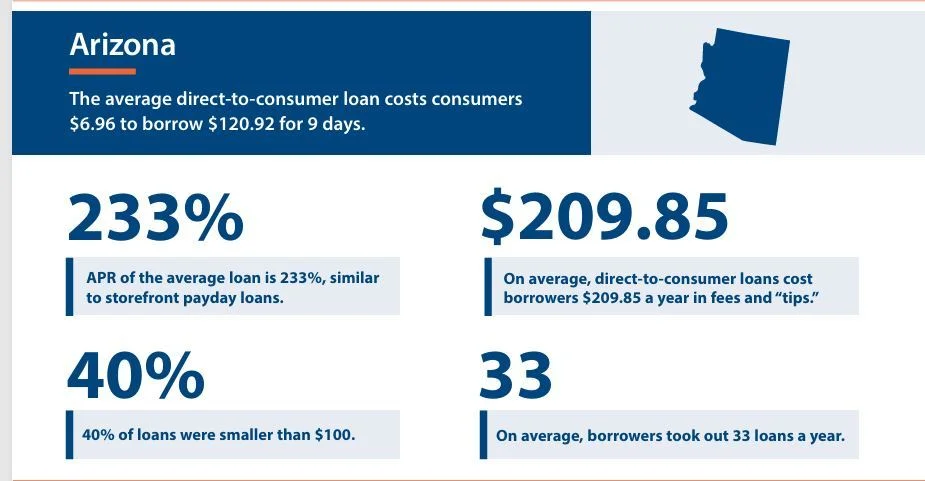
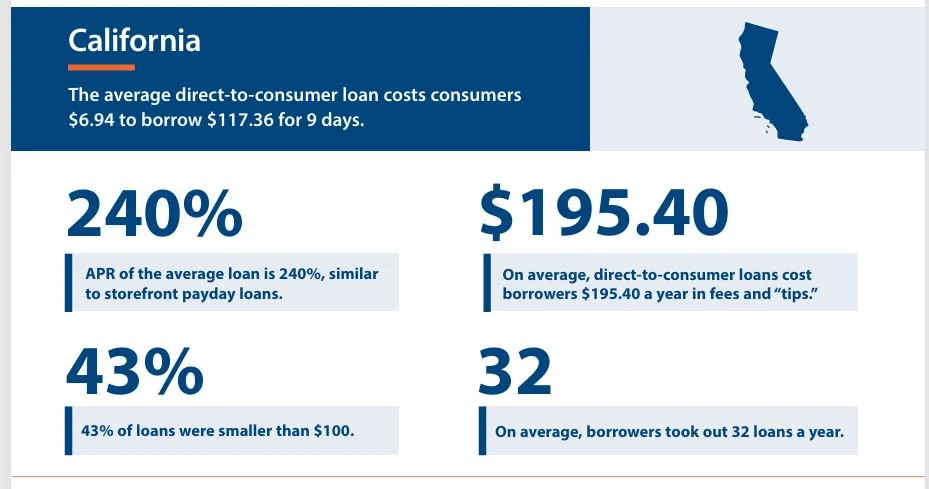
As inflation pushes up prices for essentials like gas and groceries, many Americans are turning to short-term financial solutions. However, options like payday loans often come with exorbitantly high costs, which can trap borrowers in a cycle of debt. Recently released research from the Center for Responsible Lending (CRL) sheds light on the financial burden of payday loan apps, revealing an average annual percentage rate (APR) of 232% on these loans.
In a climate where economic pressures are mounting, the necessity for rapid financial assistance presents a double-edged sword. Though payday loans and similar "Earned Wage Advances" can provide immediate relief, they can lead to long-term financial difficulties for workers and families. The CRL's report, titled “The Cost of Payday Loan Apps in Your State,” unveils shocking data supporting this issue.

Understanding the Research Findings
The CRL's methodology involved analyzing a substantial dataset of bank account transactions from nearly 347,000 borrowers who used payday loan apps. The data revealed some concerning trends. For example, 96% of loans incurred fees, many of which were hidden under labels like “tips.” This adds a layer of complexity in understanding the true cost of these loans.

Christelle Bamona, senior researcher at CRL and co-author of the analysis, stated, “Our state-by-state data show that payday loan apps charge triple-digit interest rates and rely on people taking out dozens of loans a year to generate most of their fees. This business model should concern policymakers.”

The report emphasizes a crucial lesson for policymakers: the need for strong interest rate caps to control these predatory loan practices. Without intervention, borrowers might continue to face crippling debt burdens.

Key Statistics from the CRL Analysis
- The average APR for loans from payday loan apps sits at a staggering 232%.
- About 96% of all payday loan app transactions involved fees, some of which masqueraded as “tips.”
- A striking 82% of the total fees were charged to individuals who borrowed 25 or more loans in a single year.
This highlights a critical operational concern: borrowers aren’t just facing high-interest rates; they are often repeatedly borrowing, indicating a lack of resources to handle unforeseen expenses. Moreover, 42% of loans were for amounts less than $100, suggesting many borrowers are trying to manage exceptionally tight budgets.
The Broader Implications for Small Businesses
For small business owners, understanding the dynamics of payday loan apps is essential, especially as many of their workers might resort to these lenders to cope with financial strains. This knowledge could inform workplace policies about financial wellness programs. By offering alternatives, businesses can help mitigate the dependence on high-cost borrowing.
Some businesses are taking proactive steps. For instance, programs like Earned Wage Access (EWA) allow employees to access part of their wages before their payday, directly tackling the short-term liquidity issues without the predatory costs associated with payday loans. This can instill trust and reduce financial stress among employees, leading to greater productivity and loyalty.

Calls for Policy Change
The CRL’s findings signal a pressing need for regulatory measures. At present, payday loan apps operate in a largely unregulated environment, which often leads to exploitative practices. Policy management should focus on creating frameworks that promote transparent practices in lending, ensuring that borrowers aren’t misled by hidden fees or exorbitant interest rates.

For business owners, advocating for these changes can enhance their reputational standing as socially responsible employers while relieving financial burdens plaguing their workforce.
A Path Forward
As small businesses navigate this challenging economic landscape, it’s vital to remain informed about the effects of payday lending on employees and communities. By exploring and advocating for fair lending practices, companies can serve as champions for their workforce, fostering a culture of financial health and stability.

Ultimately, high APR lending practices on payday loans pose grave challenges not just to individuals caught in debt cycles but to the broader economy. A more equitable lending landscape requires active participation from policymakers, businesses, and community leaders to promote financial resilience and wellbeing.