The Ballarat food brand is preparing for New Zealand distribution while bringing production in-house and planning 18 roles over three years.
Exotic Bazaar’s planned move into New Zealand depends on a step closer to home: getting its new manufacturing and fulfilment facility in Ballarat operational. For founder and CEO Gilava Pour, the facility is intended to give the food brand more control over production, product testing and delivery as it grows its Australian retail presence.

New Zealand is the company’s first intended international market. Pour told SmartCompany that the business wants to establish its export capabilities there before considering other markets. The sequence is deliberate: set up local production, build on the Australian business, then pursue distribution across the Tasman at a pace the company considers commercially sustainable.

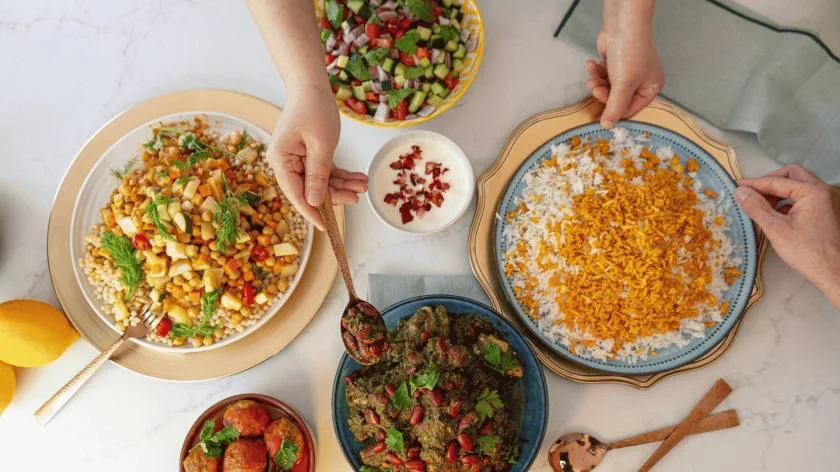
Exotic Bazaar, which sells Middle Eastern-inspired food products, began in 2019 with easy-to-make recipes and pre-blended flavours. Its products later reached Coles, giving the company a major retail foothold. Pour sees that listing as an early milestone rather than the end point. The business wants to expand its range and store presence with Coles, approach other large retailers, and develop distribution through independent supermarkets and speciality stores.

Production control is the immediate priority
The Ballarat facility is backed by a planned $2.35 million investment. The company expects to bring manufacturing in-house for the first time, consolidating work that currently takes place across several external manufacturing and fulfilment providers. Pour said those partners helped the business grow at first, but coordinating production and fulfilment across multiple locations has become more complicated.
Outsourced production can mean fitting product plans around a supplier’s schedule, minimum order quantities and other operating priorities. For a food company trying to adjust recipes or test a flavour, those constraints can turn a small experiment into a longer and more expensive process. That can make it harder to respond quickly when customers ask for changes or a new product idea emerges.

Exotic Bazaar expects its own production capability to make smaller runs and recipe refinements more practical. The company also plans to use the facility for product development, bringing those activities closer to manufacturing and fulfilment. Pour said that could help the team move products to market faster and give it greater visibility into production costs, quality, inventory and delivery timelines.

That flexibility matters to the expansion plan. A company entering a new market needs to learn what customers respond to and manage stock accordingly. In-house production could give Exotic Bazaar more room to adjust batches as it learns, although the company has not described a launch date or specific distribution arrangements for New Zealand. Pour said the new facility must first be established and operational.
18 roles planned as the facility develops
The company expects to create 18 jobs progressively over the next three years as the facility comes online and the business expands. Planned roles span production and packing, warehouse and dispatch, production supervision, quality and food safety, product development, sales, marketing, e-commerce and administration.
The spread of positions points to the work involved in building a food operation around in-house production. Manufacturing requires people to make and pack products, while fulfilment needs staff to manage orders and dispatch. Product development and quality functions support the process of refining products and maintaining production standards. Sales and e-commerce roles connect that operation with retail accounts and customers.
For a regional business, building these functions locally can also develop skills and employment in the area. Pour said creating opportunities in regional Victoria is a particular source of excitement as Exotic Bazaar grows. The jobs are tied to the facility becoming operational and the company’s expansion, so they are expected to arrive over time rather than all at once.
Growth at a measured pace
Pour describes the company’s international ambitions as significant, but says it wants to expand in a commercially sustainable way. That means the next steps remain grounded in the domestic business: establish the Ballarat operation, strengthen Exotic Bazaar’s position in Australia, and then pursue New Zealand distribution.
The company’s wider Australian goal is to make its products available in suitable stores around the country. Alongside its plans for Coles, it wants to build relationships with other major retailers and increase its reach through independent supermarkets and speciality shops. Those channels give the brand several routes to wider availability, though the company has not set out a timetable or specific store targets.
For growing food brands, the practical lesson in Exotic Bazaar’s plan is that production capacity can shape the pace of product development and expansion. External providers can support an early stage, while a more coordinated in-house setup may give a business greater room to test, adjust and manage operations. The Ballarat facility is now the key milestone to watch: its progress will determine when the company can build its export capabilities and take its first planned step into New Zealand.