October hiring beat forecasts, led by health care and manufacturing, while slower annual wage growth and longer job searches showed a less settled picture.

U.S. employers added 165,000 jobs in October, and hiring gains reached across several industries. The strong report, released Nov. 6, also revised payroll growth for the prior two months upward. The unemployment rate slipped to 4.1%, offering a picture of continued demand for workers alongside signs that jobseekers may still face a slow search.
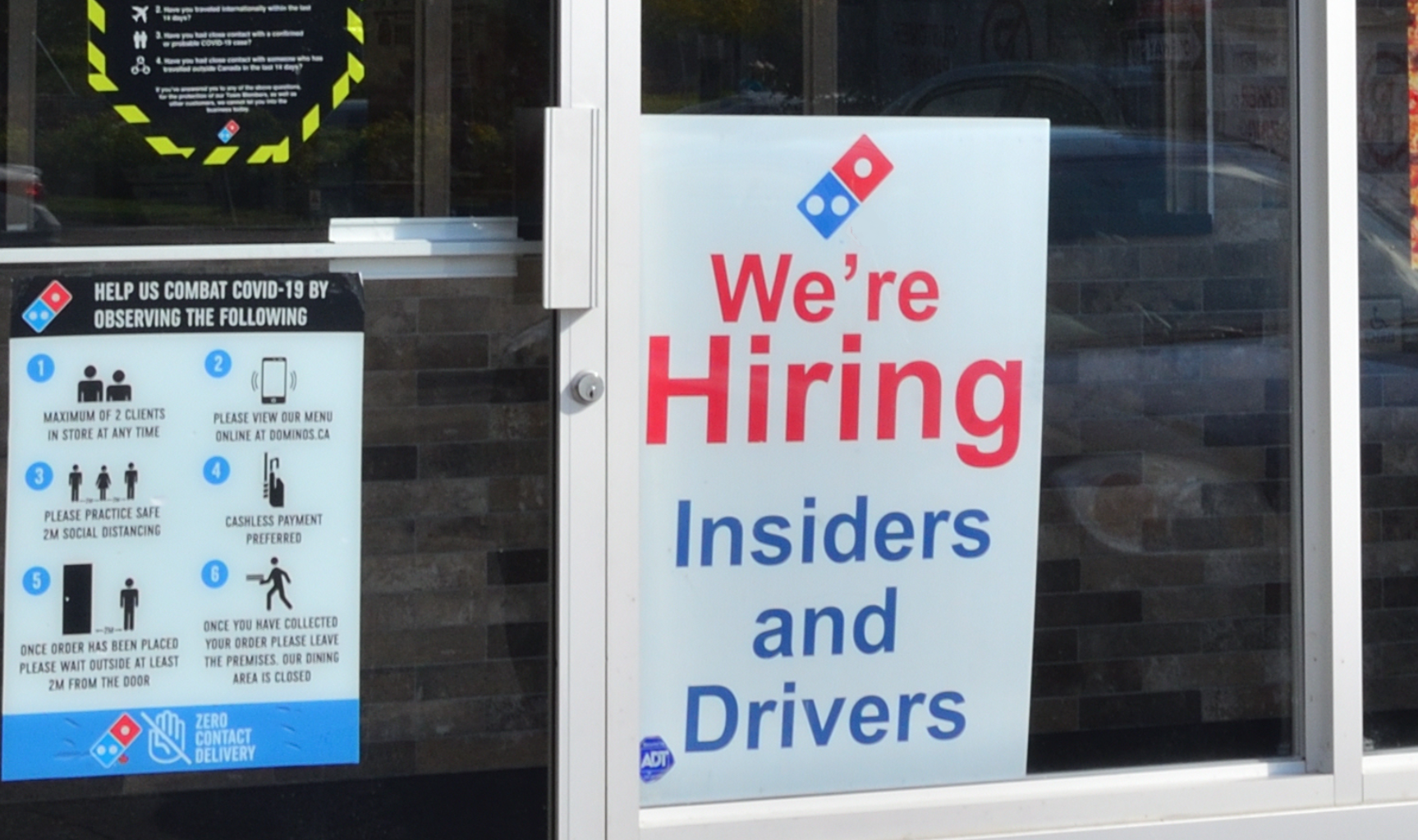
Private-sector payroll growth was the strongest since March. Professional and business services, health care, and manufacturing all added workers, supported by consumer spending and business investment that have helped sustain company demand and profits this year. Hiring has varied sharply from month to month, but the unemployment rate has stayed at or below 4.5% for five years, the longest stretch on record.

Health care and factory hiring lead
Health care and social assistance added about 55,000 jobs, the sector’s largest monthly gain in six months. It has also been the biggest source of job growth in recent years. For employers in the sector, October’s result extends a pattern of strong demand for staff.

Manufacturing added workers, with computer and electronic product makers recording their largest employment gain in four years. Construction hiring showed a split: nonresidential firms continued to add jobs, while losses in homebuilding weighed on the broader sector. Spending on data centers and demand for artificial intelligence infrastructure have supported construction and factory employment this year.

That mix reflects how investment in new facilities can create demand for workers even as other parts of an industry contract. Businesses still appear to be hiring where orders and projects justify additional staff, while paying close attention to productivity and headcount. EY-Parthenon economists Gregory Daco and Lydia Boussour described an economy growing above trend, with companies continuing to recruit where demand warrants it.

Employment in information and financial activities showed tentative signs of stabilizing. Both sectors have experienced job losses and wider use of artificial intelligence this year. Goldman Sachs economists said this technology’s effect on employment had become more visible, associating greater adoption in nonmanufacturing industries with weaker job growth and higher unemployment. The October figures suggest those sectors’ employment picture may be shifting, though one month does not establish a lasting trend.

Pay gains and job searches tell a more mixed story
Average hourly earnings were up 3.1% from a year earlier, matching the slowest annual pace since 2021. The monthly increase was stronger: wages rose 0.4%, more than economists had forecast. That contrast matters for employers and workers alike. Annual pay growth has cooled, while the latest monthly move points to a firmer near-term increase.

The share of the population working or actively looking for work edged up to 61.9%, its highest level since March. At the same time, a broader unemployment measure rose as more people worked part time for economic reasons, taking that group to a six-month high.

Longer searches are another sign that a low headline unemployment rate doesn’t capture every worker’s experience. The median spell without a job reached 11.9 weeks, the longest since 2021. Labor-market turnover has been unusually low for much of the past few years, making it harder for people to move between jobs. Some workers may feel stuck in their current roles, while others have trouble finding a new one.
What the report means for the next rate decision
The Federal Reserve is due to receive another jobs report and a full set of inflation figures before its December meeting. It raised interest rates in September, then left them unchanged in October. Investors have expected a further increase in December to counter inflation, though Bloomberg Economics said tighter financial conditions could support holding rates steady. Its economists also said the risk of another increase had risen after October’s stronger hiring and downward move in unemployment.

Oscar Munoz, head of U.S. economics at TD Securities, called the report broadly strong and said it should leave the central bank focused on inflation and financial-market conditions. If hiring holds up, he said, that would support both employment and consumer spending. Federal Reserve Chair Kevin Warsh had described employment as “quite positive” the previous week and said the central bank was focused on prices.
Markets responded with a rise in the yield on two-year Treasury notes and a gain in the S&P 500. Separate data released Friday showed consumer sentiment rose in early November to a three-month high.
Forecasting remains difficult. Bloomberg’s survey median missed October payroll growth by 95,000, and four other monthly reports this year were also off by at least that much. The upward revisions suggest the summer slowdown was less severe than first reported, but the large forecast errors are a reminder that a single monthly figure can shift substantially.
For business owners, the report points to a labor market with real hiring demand, especially in health care, manufacturing, and construction tied to commercial projects. Yet slower annual wage growth, longer job searches, and uneven sector results complicate the picture. The next reports on jobs and inflation will help show whether October marks a durable pickup or another strong month in a volatile year.