Added charges can push a $200 restaurant check to $258. Clear pricing helps guests understand the bill and what reaches staff.

Extra charges can change what a guest pays and how much of a tip reaches the server. For full-service restaurants, the distinction between an optional tip, a posted gratuity and a restaurant controlled fee matters at checkout—and it can shape whether customers feel they got a clear price.
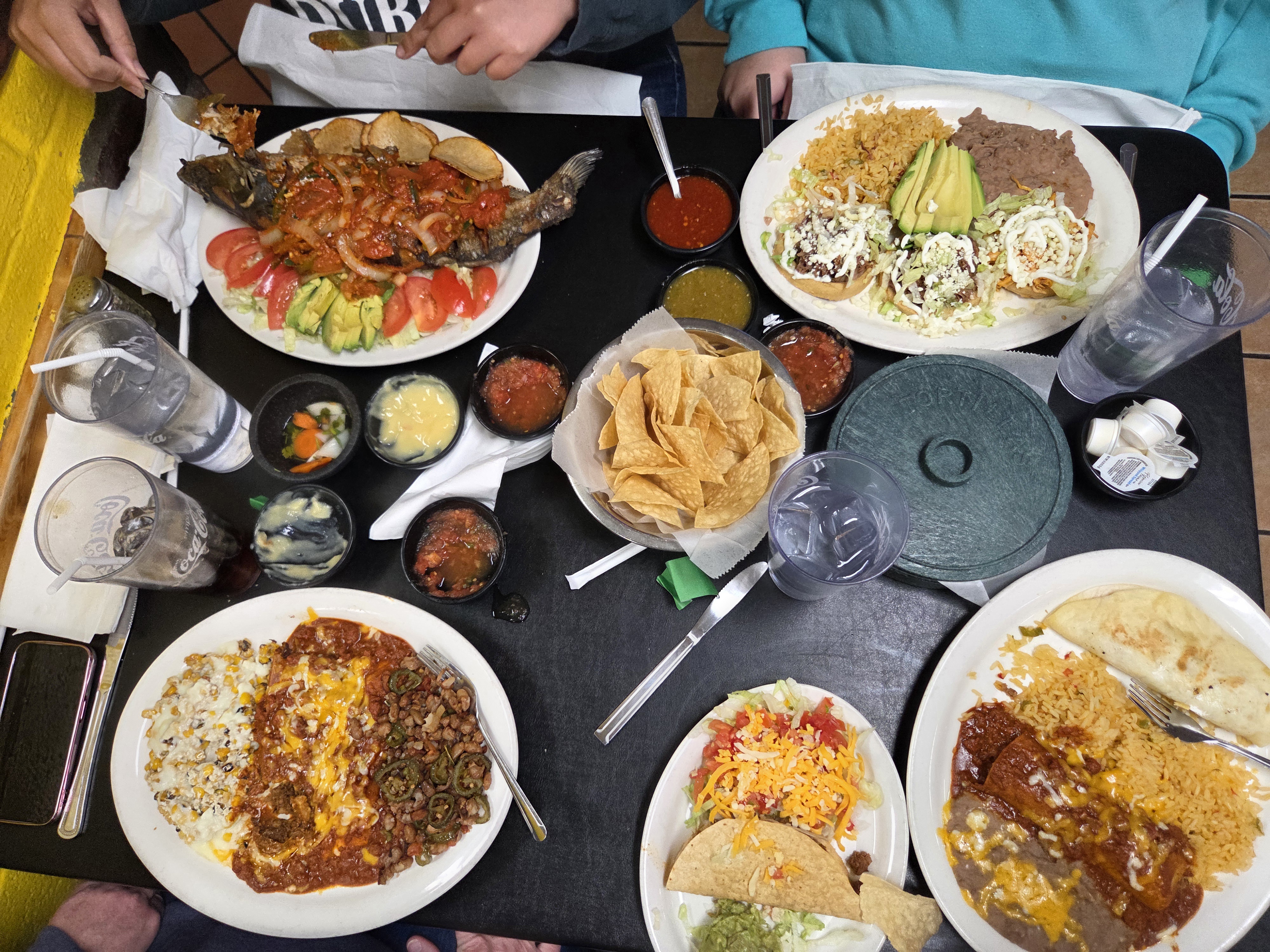
Izzy Kharasch, founder and president of HospitalityWorks, describes a range of fees appearing on restaurant checks. Some are presented as support for employee benefits, kitchen compensation, wages or operating costs. His central point is practical: when restaurants add several charges on top of menu prices, customers may have trouble understanding the final bill and the purpose of each line.

Three charges with different purposes
A tip is discretionary. Guests decide whether to leave one and how much, often in response to the service they received. Kharasch describes 20% as a standard tip and 22% or more as recognition of exceptional service. Those figures are his guidance, not a fixed charge.

A gratuity works differently when a restaurant has disclosed it in advance. Kharasch gives the example of a set percentage added for parties of eight or more. The charge is typically intended for the server, and guests should be able to see the terms on the menu or another customer facing notice. If service fell short, he suggests raising the issue with a manager and asking whether the gratuity can be adjusted.

A service fee is also disclosed to guests, but the restaurant controls how it is distributed. The owner decides how much, if any, goes to employees. That distinction makes the label alone insufficient for a guest to know who receives the money. For operators, it also makes plain explanations especially useful: customers need to understand both why the fee appears and how the business handles it.

Several small fees can add up
The examples Kharasch cites include an employee wellness fee of about 3%, a kitchen appreciation fee of about 2%, a living wage fee of about 2% and an administrative fee of about 2%. Restaurants may describe these charges as helping pay for benefits, additional kitchen compensation, higher wages or operating expenses.

Together, the examples add up to roughly 9% of the check. That amount is separate from a tip in the article’s calculation. On a $200 bill, a 20% tip adds $40, bringing the total to $240. If the listed fees also add $18, the total reaches $258.
That arithmetic highlights a possible point of confusion. A guest who sees several fee lines and then adds 20% may assume the server still receives a full 20% tip. But the fees and tip have different stated purposes, and the restaurant controls the distribution of service fees. Kharasch argues that if guests want their tip to go entirely to the server, they can ask management whether the added charges can be removed. Whether that request is accepted depends on the restaurant.

Clarity is part of the price
For owners and managers, the operational question is not simply whether an added fee brings in money. The charge also changes the price the guest experiences and can influence the impression they take away. When several fees appear on the check after a guest has ordered from menu prices, the business risks making the final amount feel unexpected. Kharasch warns that this can weaken repeat visits, even if the charges help cover costs in the short term.

A clearer approach is to explain charges before guests order and use labels that match the way the money is handled. If a fee supports a particular expense, say so in visible language. If it is controlled by the restaurant and may not go to staff, make that distinction clear. Guests can then make decisions with a better sense of what the menu price and final bill mean.

Kharasch’s proposed alternative is to build the roughly 9% represented by these fees into menu prices, while leaving tips to go entirely to servers. That approach would make the listed prices higher, but it would avoid presenting multiple add-ons at payment. It also gives operators a straightforward comparison to weigh: separate charges may make individual menu prices appear lower, while inclusive pricing makes the cost easier to see before ordering.
For restaurant leaders, the durable lesson is to treat the check as part of the guest experience. A fee should have a clear purpose, a clear explanation and a clear relationship to staff compensation. When customers can understand the total and where each charge goes, they have less reason to feel surprised at checkout—and the business can have a more direct conversation about its prices.