UBCC’s new platform adds employee self-service, time approvals and HR services to its payroll offering, with training resources in beta.

Universal Business Computing Company is adding human resources management to its payroll technology, giving independent payroll processors and accounting firms a way to extend the services they offer clients. Its new browser-based platform, UBCC HRM, connects several routine HR tasks with the company’s established payroll workflows.

The move gives service providers another recurring offering to price and manage while building on systems they already use for payroll. UBCC says processors can set their own prices for HRM. The company has not disclosed pricing, customer totals or revenue expectations, so the commercial opportunity will depend on how providers package the service and whether clients adopt it.

HR tasks tied to payroll workflows
UBCC HRM includes employee self-service for onboarding documents, including W-4 and I-9 forms, and access to pay history. Employees can also record their hours. Managers can review and approve timesheets before payroll processing, linking time entry and approval to a familiar point in the payroll cycle.

For a payroll provider, that connection may reduce repeated handling of employee information and hours across separate administrative steps. UBCC presents the platform as a way to cut routine work while letting processors continue using its established payroll processes. The company hasn’t provided measured time savings or other performance figures, so firms will need to assess the effect in their own workflows.

The product is browser-based, which makes it accessible through a web browser. The launch does not specify supported devices, integrations beyond UBCC payroll workflows, or how the system handles data transfer with other software. Those details will matter to firms evaluating how HRM fits into their clients’ existing processes.

A new service line for independent providers
UBCC owner Armaven Pogosyan said the company aims to give independent processors modern tools that complement their payroll and HR knowledge, while helping them compete with larger providers and retain personalized client service. That positioning puts the service provider at the center: the firm can add a technology enabled offering without giving up its role in client support.

That model could appeal to firms looking to broaden client relationships through services adjacent to payroll. Adding HR software, however, also means setting expectations around onboarding, employee questions and manager approvals. Providers will need to decide how much support they include in their own service, how they explain the new workflows to clients, and how they set prices against the time required to deliver that support.
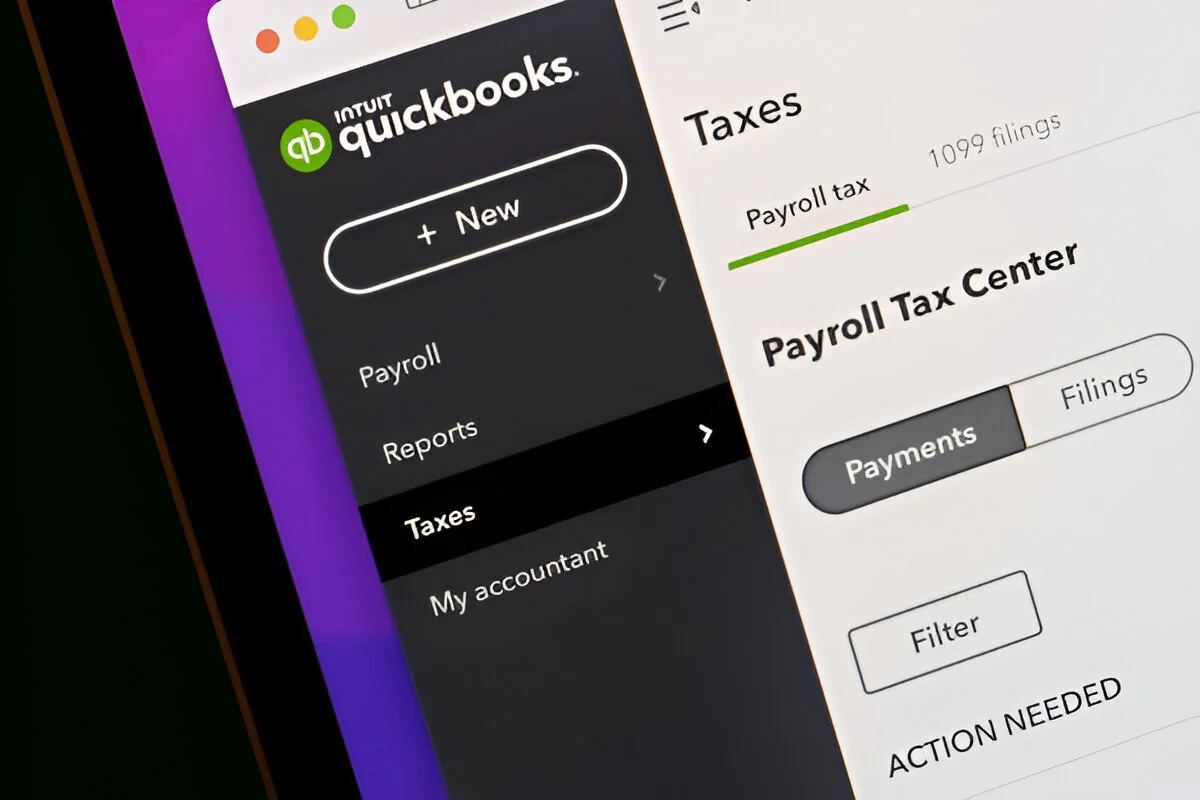
For small firms, the practical value of an HR platform often comes down to whether it fits existing habits. Employees need a clear way to submit documents and hours; managers need to know when and how to approve timesheets; and payroll staff need the information in time for processing. A connected workflow can help organize those handoffs, but the launch announcement does not describe configuration options or implementation support beyond planned training materials.

More capabilities are still in development
UBCC says payroll processors are already using the platform and that it is introducing additional features and enhancements regularly. Client-specific HR training manuals and videos are in beta testing, as are Work Opportunity Tax Credit processing capabilities. The company expects these tools to become available soon but did not provide a release date.
The training materials could help providers guide clients through processes that involve employees and managers, while client-specific content may let firms tailor instructions to their own workflows. Because both resources remain in beta, providers should treat their availability and final form as pending. UBCC has not described the scope of the tax credit processing capability or the steps it will support.
Pogosyan said UBCC is extending technology developed over decades in payroll and plans to keep expanding what HRM can do. For firms considering the platform, the next practical questions are how the product handles setup, how much support providers must supply, and whether the planned training and processing tools arrive in time to support client needs.
UBCC HRM’s launch signals a broader service option for payroll processors and accounting firms that want to add HR tasks alongside payroll. Its fit will depend on the details of implementation, pricing and day-to-day client support as providers put the platform to work. More information is available at UBCC’s HRM site.