AI can speed research and production, but marketers still need customer insight, clean data and judgment about what earns trust.
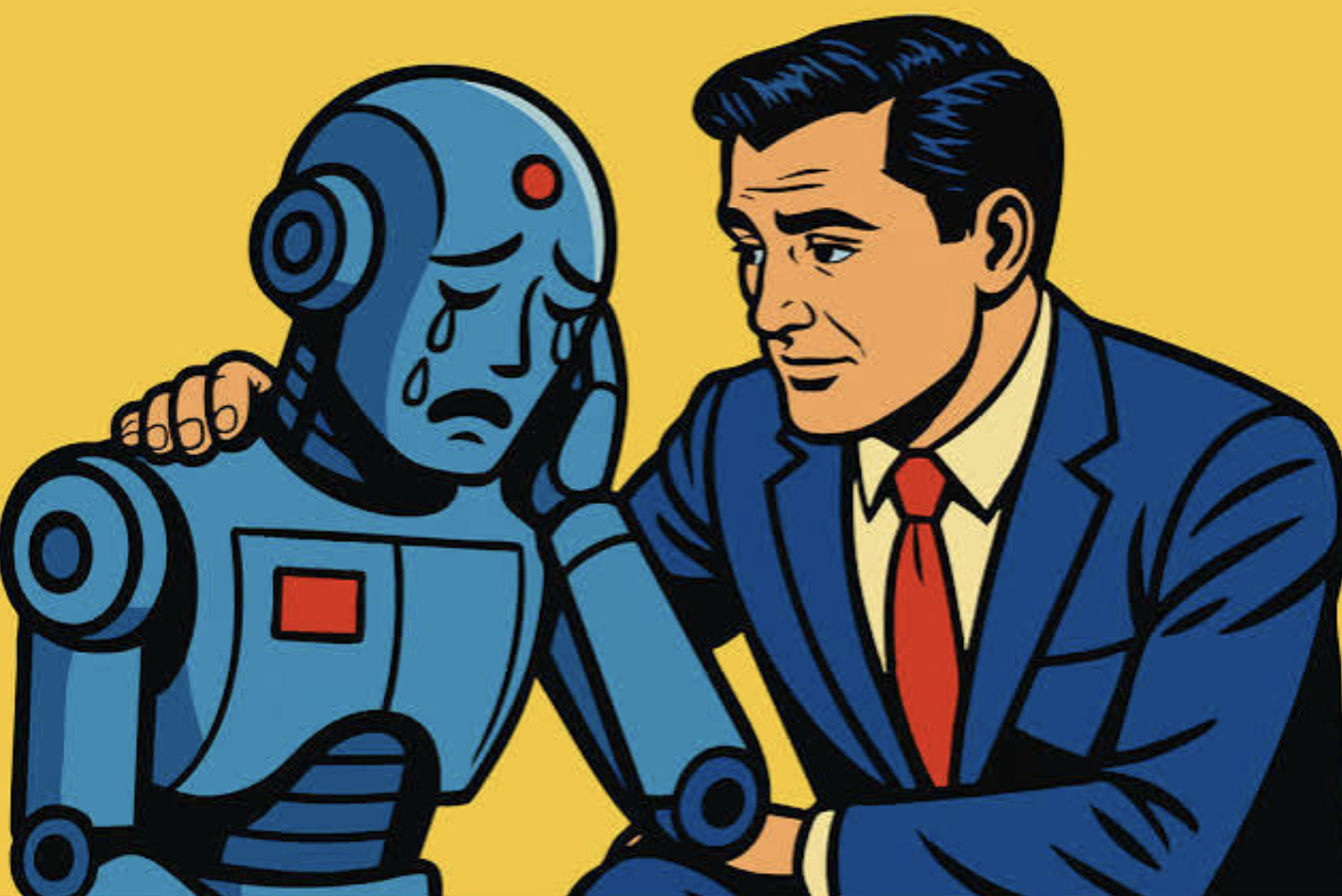
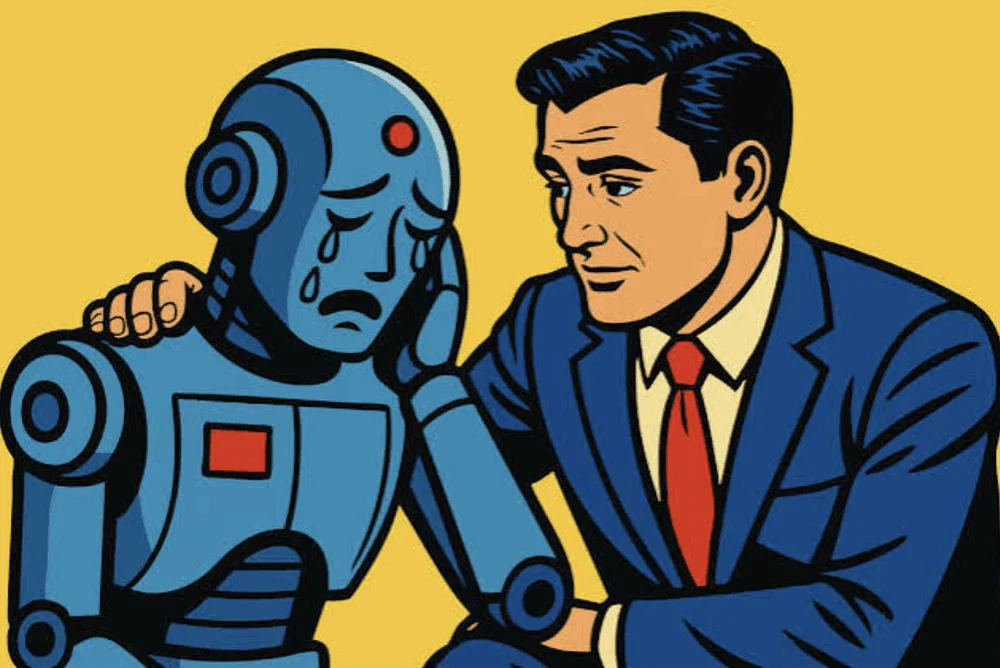
AI is changing marketing work faster than job descriptions suggest. An analysis by Emily Kramer, former marketing leader at Asana and Carta and writer of the MKT1 newsletter, found that 47% of more than 1,100 open marketing roles reviewed that fall asked for AI skills. Only 15% called for building something with AI, and 7% mentioned agents. Entry-level postings were least likely to ask for AI skills, at 25%. The gap between hiring language and workplace change is already visible: two investors writing in Fortune said they hired one marketer for substantially more than the roughly $60,000 each they had planned to pay several entry-level hires. SaaStr founder Jason Lemkin runs sales with about 1.2 people and 20 AI agents. (MKT1)
The lesson for marketing teams isn't simply to produce more with fewer people. Automation can remove work that was easy to see, while quietly dropping responsibilities nobody thought to list. Rory Sutherland of Ogilvy calls that the Doorman Fallacy: an automatic door may replace a doorman, while the less visible jobs—checking on residents, watching security and sharing local knowledge—disappear from the calculation too. Marketers need to identify which parts of their work create value before handing tasks to software.
Use AI to improve customer understanding
Good customer insight depends on useful data. Search boxes often reduce a complicated need to a few awkward keywords. A chat interface can capture the question and its context. Dewey Labs, which works with publishers including Emily Oster's ParentData and Gretchen Rubin, reports on common questions, questions its clients' content doesn't answer, and seasonal changes in what readers ask. That gives teams evidence about what to make next, expressed in the audience's own words. (Dewey)
AI can also expand the reach of customer interviews. A study published that fall compared 139 AI-moderated interviews with 24 interviews led by people and a set of static surveys. At the same budget, the AI interviews found more than twice as many distinct customer needs as the human-led interviews, at about $19 per need versus $36, and covered more ground in most parts of the discussion. Researchers then built AI “digital twins” from the interviews; those models predicted real responses better than personas based only on demographic details. The findings suggest a useful research tool, while leaving teams responsible for checking what the models miss. (arXiv)
Build small tools around real team problems
Marketers can use AI to make tools that connect research to action. One marketer described in Fortune designs marketing materials and built software to compare customers with peers in their industries. At the same company, a website project received an agency quote of $60,000. Three business-team employees with no prior website-building experience completed it in three days for a few hundred dollars. The process also surfaced customer testimonials and awards the company hadn't known it had. (Fortune)
Elaine Zelby, co-founder of Tofu, built an agent that checks HubSpot weekly for newly closed deals, retrieves the call notes on why customers bought, finds 10 similar companies and three to five contacts at each through Clay, then drafts a four-email sequence and LinkedIn messages for review in Slack. Her starting point: give the system a clear ideal customer profile, buyer personas and messaging. Kamil Rextin of 42 Agency built a scheduled tool that gathers competitors from G2 and TrustRadius, checks their ads in LinkedIn's free Ad Library and produces a report on messaging and ad volume in about five minutes. (MKT1)
Keep human judgment in the loop
Automated research can carry predictable biases. The Nuremberg Institute for Market Decisions, GfK's parent, found that AI “synthetic respondents” matched real consumers' choices about 79% of the time. They were also consistently more positive about large brands and gave less varied answers, a disadvantage for challengers trying to understand how buyers see them. Mark Ritson has argued for synthetic research; either way, someone on the team needs to assess whether an output fits the market. (NIM; Incubeta)
Aditya Vempaty, MoEngage's vice president of marketing, built a “humanizer” that scores drafts for signs of AI writing, flags those passages and rewrites them in his voice using examples of his work. The practical point is that a tool can assist with editing, but it needs a clear standard for what good writing sounds like. (MKT1)
Fix the information behind the automation
Twilio CMO Chris Koehler wrote in Fortune that research on accounts and personalized content for a campaign used to take his team two weeks; it now takes less than a day. The change let the team move from three account-based campaigns per quarter to as many as 15. Koehler credited cleaned-up data and clear brand standards, rather than the model alone. Without those foundations, an AI system localizing French content put a beret on everyone. Faster production only helps when the inputs and review standards are sound. (Fortune)
Make the business legible to people and machines
A boutique hotel featured in Harvard Business Review began checking how AI tools described it, then revised its public content to make those descriptions more accurate and distinctive. Visa CMO Frank Cooper has made a related point about AI agents shopping for customers: an agent can't be won over by clever copy if pricing is unclear or inventory details conflict. Clear, consistent business information matters to both buyers and the systems helping them choose. (HBR; Fortune)
Give customers something worth showing up for
Kramer says in-person events are working as inbound interest falls, outbound messages crowd the market and people seek direct contact. Her recommendation is to make events small and focused on specific target accounts; she has also written about hosting dinners instead of renting trade show booths. Events ranked second among B2B marketers' planned budget increases for 2026, according to the Content Marketing Institute. Ramp took a more theatrical approach in September, staging a one-night Broadway musical about its bill-pay product at the Broadhurst Theatre and inviting CFOs. Billy Porter, Billy Zane and Jessica Vosk starred; guests named Bill received nametags. Reviews were mixed, but the production shows how far a company might go to create a memorable encounter. (MKT1; MKT1; The State of Brand; TheaterMania; InsideHook)
Show the care behind the work
A May study by Ipsos and Syracuse's Newhouse School showed 3,000 people 20 ads: human-made ads from before 2021 and AI versions created from the same briefs. Just 13% felt confident identifying an AI ad, and the same share mistakenly labeled a human-made ad as AI. People may not reliably detect how work was made, but they can respond to whether it feels considered.
Prada's holiday campaign, released the previous week, was drawn by hand by a team led by veteran animator John Pomeroy. Prada also published a behind-the-scenes video, a choice Inc. described as effort signaling. Coca-Cola's AI-generated Christmas ad faced another round of criticism. Yet AI can also be central to work that earns recognition: Google won the Cannes Grand Prix for AI craft with Project Genie, which let people create and explore interactive worlds using DeepMind's Genie 3. The useful distinction for marketers is not whether a tool was involved, but whether the result has a clear idea, sound information and visible care behind it. (Grey Journal; Inc.; Euronews; Contagious)
Marketing teams will keep finding tasks that agents can complete. Their stronger position will come from knowing what customers need, building reliable systems around that knowledge and making work people have a reason to trust and remember.