Buyer’s remorse can harm customer satisfaction and future sales. Understanding its causes and implementing strategies to prevent it is essential for sales success.
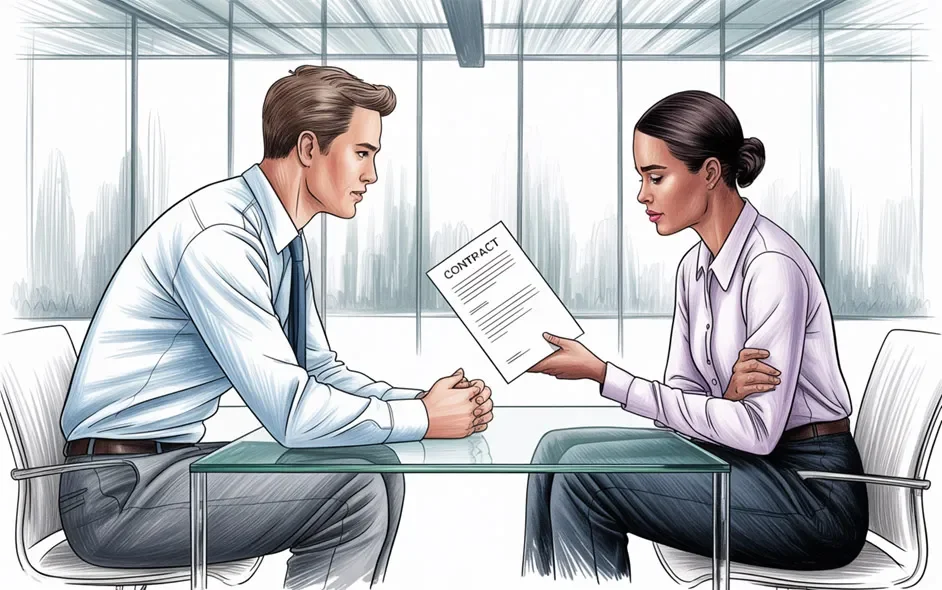
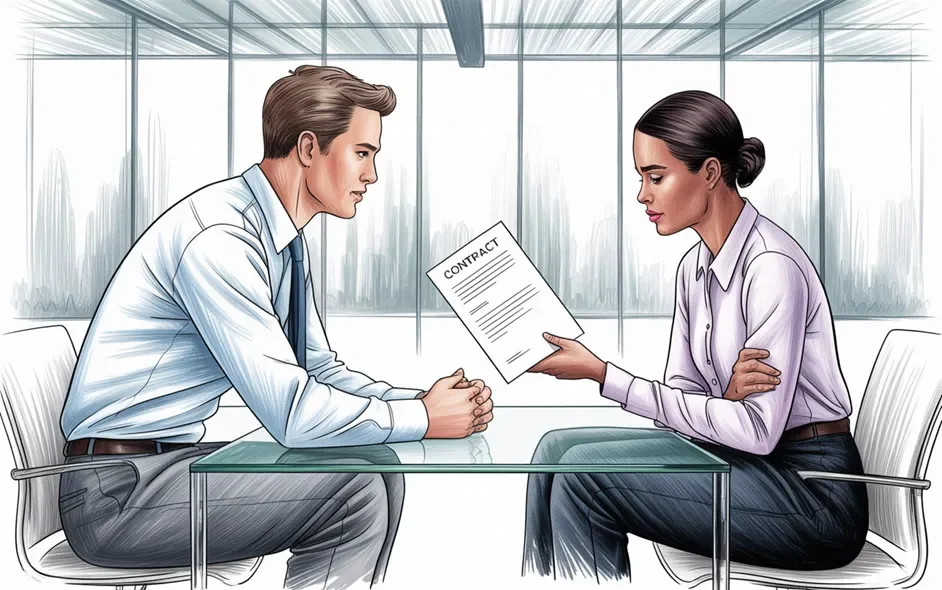

Buyer’s remorse describes the feelings of anxiety, guilt, or regret that often follow significant purchases, like cars or homes. It stems from cognitive dissonance, where buyers grapple with conflicting thoughts about their decisions and the alternatives they might have pursued. Questions like "Did I make the right choice?" or "Could I have spent my money better?" often surface during this period.
It's crucial for sales professionals to recognize that buyer’s remorse can manifest once the excitement of a purchase fades, leaving customers questioning the wisdom of their decisions. Addressing buyer’s remorse is just as critical as the closing of the sale itself. Effective sales strategies, including managing customer expectations and fostering post-sale communication, can help mitigate these fears and reinforce a positive buying experience.
This article will explore the causes of buyer’s remorse and provide actionable strategies for preventing its negative impact on sales outcomes.

Defining Buyer’s Remorse
Buyer’s remorse refers to the regret or anxiety experienced after making a purchase. This phenomenon can occur for various reasons, such as questioning the necessity or value of the item purchased, or comparing it unfavorably to alternatives that were available.
While the buyer might feel free to cancel the deal, the implications extend beyond individual transactions. High levels of remorse can tarnish a brand’s reputation, leading to lost trust even if the sales team has done nothing wrong. Creating a space where customers feel confident in their purchases is vital for maintaining brand integrity.

The Psychological Aspects of Buyer’s Remorse
Understanding the psychology behind buyer’s remorse offers insights into how to counteract it. Here are a few key concepts that contribute to this emotional conflict:
Instant Gratification
The rush of excitement that accompanies a purchase can quickly give way to doubts about its necessity. Many buyers act on impulse, influenced by social pressures or marketing tactics, which can lead to feelings of regret when they start to assess the practicality of their choices.
Fear of Regret
Buyers often fear making a wrong decision and experience anxiety over the opportunity costs of their purchase. The desire to avoid missing out on a perceived better deal can overshadow their judgment, contributing to later feelings of remorse.
Emotional Influences
Emotions play a substantial role in the buying process. Factors such as social expectations, the thrill of a ‘good deal,’ or the satisfying feeling of achievement from a purchase can make buyers feel better. However, this emotional high can quickly dissipate, leaving them with feelings of doubt and regret.
Ultimately, buyer’s remorse is a form of cognitive dissonance. As the initial excitement wears off, buyers often reassess their purchase, leading to potential regret once the positive feelings fade.
Understanding the Causes of Buyer’s Remorse in Sales
Addressing buyer’s remorse starts with identifying its common causes. Recognizing the factors at play allows sales teams to create preventative measures. One frequently overlooked area in reducing buyer’s remorse is the failure to follow up post-sale, which can play a significant role in customer satisfaction.
High Stakes and Large Commitments
Purchases involving significant financial commitments naturally come with a higher level of anxiety. Buyers often wrestle with feelings of doubt about whether they’ve made the right choice. Factors that can cause this tension include:
- High monetary investments.
- Perceived risks associated with the purchase.
- Involvement of substantial commitments that limit other choices.
- Fears of missing out on better opportunities.
For example, a buyer who chooses a luxury vehicle might feel a thrill during the purchase but later worry about costs and practicalities, such as insurance and theft risks.
Misaligned Expectations
Buyer’s remorse can also stem from mismatched expectations. When buyers think they’re getting something different than what they receive, regret can follow swiftly. This typically occurs when salespeople fail to clarify the product's capabilities and limitations.
Additionally, complications during the product's usage or unexpected costs can further amplify these feelings of remorse. Ensuring clarity through effective sales questioning and setting realistic expectations is key to preventing this pitfall.
Pressure Tactics and Hasty Decisions
Pressure tactics can backfire. When buyers feel rushed, they may agree to terms without fully understanding them, leading to buyer’s remorse when they reflect on their decision. Buyers may act out of frustration to escape the pressure, only to have regret set in later. Sales methodologies today need to favor building relationships over exerting pressure.
The Wider Impact of Buyer’s Remorse on Sales Teams
Understanding buyer’s remorse is critical not just for closing a sale but for its long-term implications. Consider what can happen when a customer experiences buyer’s remorse:
Loss of Trust and Future Opportunities
A significant consequence of buyer’s remorse is the erosion of trust. Each purchase builds a relationship; if that relationship is compromised by feelings of regret, the customer may reconsider future interactions. Discontent can lead to lost repeat business and diminished word-of-mouth referrals—key drivers of sales growth.
Increased Refund Rates and Cancellations
With misaligned expectations, buyers are more likely to seek refunds or cancellations. This immediate impact not only costs the company money but also represents a wasted opportunity to build a loyal customer base.
Preventing Buyer’s Remorse: Strategies for Sales Professionals
Addressing buyer’s remorse proactively is more effective than attempting to manage it after the fact. Below are various strategies designed to help sales teams minimize buyer’s remorse from the outset:
Set Clear Expectations at the Beginning
Early clarity about what a product or service entails can help prevent buyer’s remorse later. Sales professionals should communicate openly about capabilities and benefits to ensure both parties have a shared understanding. This alignment prevents misunderstandings that can lead to disappointment.
Enhance Post-Sale Support
Sales teams should not disengage after a sale is made. Following up post-purchase is essential for assessing the customer's satisfaction. Positive interactions, such as check-ins or providing additional resources, can significantly enhance customer relationships and mitigate feelings of regret.
Maintain Open Lines of Communication
Continuous communication after the sale reassures buyers that support is readily available. Whether it involves responding to inquiries or arranging follow-up consultations, being accessible can help quell any doubts that arise.
Reinforce the Customer's Decision
Encouraging buyers after their decision reinforces that they made the right choice. Sales representatives should highlight the benefits and values associated with their purchases, ensuring the customer feels confident about their selection.
The Role of Effective Sales Training in Mitigating Buyer’s Remorse
Effective sales training plays a crucial role in reducing buyer’s remorse. When sales teams are equipped with skills to uphold customer satisfaction, they contribute to their brand's longevity:
Teaching Qualification and Discovery
Sales teams should adeptly qualify prospects to minimize regretful purchases. Training should focus on thorough discovery processes that address individual customer needs and align expectations with reality.
Improving Conversation Skills
Enhancing communication abilities can have a substantial effect on reducing buyer’s remorse. Team members should be trained in rapport-building and engaging in meaningful conversations that lead to informed decisions.
Avoiding High-Pressure Closing Techniques
Sales methodologies emphasizing high-pressure techniques often backfire. Today's relationship-oriented sales environments must focus on building connections rather than pushing buyers into hasty decisions.

Implementing Post-Sale Strategies for Customer Satisfaction
Even after an ideal sales conversation has taken place, ongoing work is necessary to prevent buyer’s remorse:
Conduct Follow-Up Contacts
Establishing an automated system for follow-up contacts can help sales teams maintain connections with customers. Scheduling check-ins a few days or weeks post-purchase provides an avenue for assessing satisfaction and addressing any hesitations early.
Reinforce Value Following a Purchase
Educating customers on the benefits of their purchases post-sale is essential. Providing supplemental materials that reinforce the positive outcomes of their decisions can help quell feelings of doubt.
Quickly Resolve Issues
If customers experience complications, offering quick resolutions can lessen the impact of remorse. Promptly addressing any issues can turn a potentially negative experience into a positive one, enhancing overall customer perception.
In Closing: Strategies for Sales Teams to Counter Buyer’s Remorse
Sales success extends beyond simply closing a deal. Ensuring ongoing customer satisfaction will lead to repeat business and positive recommendations. By implementing effective skills training focused on preventing buyer’s remorse, brands can create enduring relationships with customers.
Ultimately, reassured buyers are confident in their decisions—and that confidence is paramount for long-term success. Fostering connections with customers through effective follow-ups and proactive communication can safeguard against buyer’s remorse, preserving the hard-earned reputation of the business.
Happy Selling!
Sean

Sean McPheat
Managing Director
MTD Sales Training

The post What Is Buyer’s Remorse and Can You Prevent It? appeared first on MTD Sales Training.


