Explore the myths around productivity, the pitfalls of relying on technology, and discover effective methods to manage your workday more efficiently.

In the latest discussion surrounding workplace efficiency, the concept of productivity is increasingly scrutinized. The dynamics of our work environments are shifting rapidly, with an evident struggle to balance the demands of modern tasks against the backdrop of traditional productivity metrics. Understanding the nuances of these shifts is crucial for those aiming to improve their work efficacy.

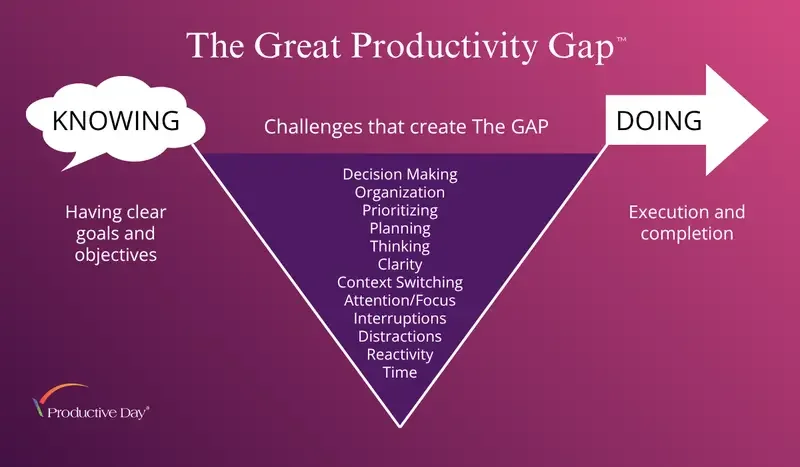
The modern workforce grapples with significant challenges, leading to a phenomenon known as The Great Productivity Gap. This gap reflects an ongoing disparity between what needs to be accomplished and the actual daily execution. Understanding the underlying causes of this gap can empower professionals to navigate their work more effectively and close it.

Recognizing Productivity Myths and Misconceptions
The collapse of the structured workday has given rise to a surge in productivity advice, often paraded as universal truths. However, such blanket recommendations can miss the mark, as they tend to generalize experiences that differ significantly among individuals and roles.
There’s a frustration that arises from the notion that one-size-fits-all solutions can enhance productivity. Factors such as the nature of one’s work, organizational culture, and personal working styles play pivotal roles in determining what actually aids productivity. Yet, many productivity gurus proclaim absolute truths based on their limited experiences, leading others down erroneous paths.
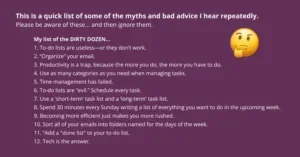
This leads to what can be termed a productivity guessing game — an exhausting endeavor that saps vitality and motivation. Here are a few common myths to disregard:

- Technology is the ultimate solution to productivity issues.
- One tool can solve all work-related problems.
- AI-driven solutions are the key to managing your workload.
- Quick fixes and hacks are the long-term answer to productivity.
The Illusion of Technology as a Productivity Panacea
Amidst the chaos of modern work, a prevailing belief is that technology will solve all productivity woes. This narrative has accelerated with the advent of numerous productivity apps and AI tools, all vying for attention with the promise of ease and efficiency.

The phrase, "There's an app for that," echoes widely, but the reality is more complex. Relying on technology to manage workflow overlooks the importance of human agency in recognizing context and adapting to real-time changes. Essential decisions require human intuition and judgment, which algorithms and applications cannot fully replicate.

Using AI to automate specific tasks can yield benefits, but fundamentally, individuals must lead their work management. The incessant tempo of technological evolution makes it challenging to remain up-to-date, often leading users to feel overwhelmed rather than empowered.

It's essential to keep in mind that while tech can act as a support tool, the responsibility of efficient work management lies in the hands of the user. This acknowledgment provides a competitive edge, as the ability to navigate and manage one's responsibilities fosters greater resilience against the ever-quickening pace of work.

Why Effective Professionals Avoid Shortcuts
In the quest for productivity, many turn to shortcuts and quick fixes that promise immediate relief. However, this misconceived approach often leads to cyclical frustration. The reality is, true productivity stems from sustainable practices that demand effort and persistence.
Just as there are no shortcuts to achieving health and wellness, the same applies to productivity in both personal and professional settings. Genuine advancement often requires hard work, discipline, and a willingness to tackle discomfort. Straying from this truth can lead to endless searching for elusive quick wins, resulting in a cycle of wasted time and effort.

This cycle mirrors the behaviors associated with fad diets; jumping from one quick fix to another without understanding the foundational principles that underpin sustained change. Productivity won't be solved by anymore apps or fleeting methodologies. Real improvements come from consistent application of effective methods, leading to long-term success.

A New Perspective: Taskology® — The Science of Getting Things Done
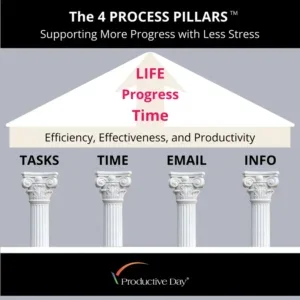
To combat the frustration of ineffective productivity methods, embracing a holistic approach like Taskology® can shed new light on effective work management. This system revolves around four core process pillars essential for efficiency: task management, process organization, inbox management, and a methodical approach to prioritization.

Task management serves as the foundation of productivity. It emphasizes clarity and organization, encouraging users to centralize all tasks from various sources—like emails and meetings—into a single, comprehensive task list. Attempting to manage tasks in isolation often leads to fragmentation, undermining productivity.

Effective task management enables professionals to see not just the breadth of tasks but also their relationships and dependencies. Utilizing a structured method for creating a master task list simplifies day-to-day management, making it easier to stay focused and reduce overwhelm.

Another critical pillar involves restructuring the way emails are handled. Instead of succumbing to the chaos of an overflowing inbox, users are encouraged to aim for “inbox zero,” where they regularly clear their inboxes by categorizing emails for future reference, taking action, or archiving them. This leads to a clearer mental space, reducing stress and enhancing focus on priority tasks.

The Importance of Consistency Over Complexity
To achieve tangible improvements in productivity, it is vital to approach productivity with a methodical mindset. Rather than relying on an array of disparate tools, integrating a cohesive system that encompasses all aspects of task and time management is essential. A system that is comprehensive minimizes redundancies and provides clear pathways for action.
The Taskology® system advocates for simplicity — stripping down the excess and honing in on fundamental methods. This reduces the risk of disarray from managing multiple apps and platforms that are not designed to communicate with each other effectively. By establishing clear, repeatable processes that encompass task management, inbox organization, and prioritization, professionals can streamline their workflow, regain lost time, and accomplish their goals more efficiently.
Moving Forward with Intention
In summary, the modern-day work environment necessitates a shift from outdated productivity tools and myths to a focus on structured methodologies that genuinely enhance efficiency. It's crucial to recognize that efficiency stems from an informed approach to managing tasks, rather than an over-reliance on technology alone.
Embracing proven methods offers a way forward, allowing professionals to reclaim lost time and improve overall satisfaction in their work. By investing in understanding and applying holistic productivity frameworks like Taskology®, you can not only meet your current productivity challenges but also pave the way for long-term success in your career.
As you reflect on your productivity journey, consider what methods resonate best with your unique work style. Are you ready to embrace a simpler, yet highly effective approach to overcome the chaos and enhance your work performance? Your path to increased productivity may be more straightforward than you think — embarking on this journey might just transform your workday and lead to greater achievements both professionally and personally.
In the upcoming editions of The Efficiency Edge, we’ll explore more about implementing these pillars in your daily routine and tackling specific productivity challenges with actionable strategies. Remember, productivity is not about doing more — it’s about achieving more, with intention and clarity.


