Shifting from deal-sharing to idea-sharing in investor conversations can enhance insights and lead to better decision-making in venture capital.

The Limitations of Deal Flow Calls
Daily, numerous junior investors hop on deal flow calls, which are meant for sharing insights about potential investments. While the intent is to exchange ideas, the reality often turns into a coy competition over who holds the better deal. Investors find themselves weighing whether to share potentially valuable insights or keep them close to the vest to maintain a competitive edge.

This creates a paradox: junior investors must gauge their peers’ expertise while also deciding how much of their own best thinking to share. They risk losing interest in promising opportunities if they encounter skepticism or learn that a peer has already passed on a deal they were considering.
Need for New Approaches
In my view, these calls often breed inefficiency. The repetitive nature of these discussions does little to refine the skills and judgment of novice investors. Utilizing tools like Harmonic can help VCs streamline their search for promising founders without the clutter of endless meetings. A more sophisticated customer relationship management (CRM) system, equipped with insights about individual investment theses, could allow investors to better connect with like-minded peers without resorting to deal-sharing as their sole communication strategy.
Instead of focusing solely on deals, it's crucial for junior investors to cultivate a deeper understanding of their areas of expertise. They should strive to become sources of valuable insights rather than merely participants in deal-sharing sessions. The opportunity lies in being the person founders seek out for advice before they consider asking for financial backing—that's a compelling position to be in.
Shifting Conversations From Deals to Insights
Here’s a thought: rather than exchanging deal flow, why not exchange ideas? While this may not immediately fill pipelines, it has the potential to unearth insights that lead to exceptional investments. Conventional wisdom holds that any agent can move company data around efficiently, but capturing more profound insights requires dialogue with diverse individuals including operators, educators, and researchers. Engaging with them can enhance understanding of prevailing market trends and future challenges, offering greater clarity on where true value lies.
Consider the time and effort you or your colleagues spend interacting with others outside the scope of active deals. Are those exchanges enriching your knowledge? Are your conversations aiding in identifying and understanding patterns that can inform better investment decisions? The goal should be to engage in discussions that stimulate critical thinking and develop a sharper sense of the market.
The Drawbacks of Current Networking Practices
One reason deal-sharing calls persist is that they reflect the way networking functions in venture capital, particularly for junior and smaller funds. Training programs for building meaningful relationships are scarce; instead, new entrants are often propelled into networking without structured guidance. Consequently, sharing potential deals becomes the default mode of communication—it's quantifiable and easy to convey to partners.
Moreover, the pressure to show activity can distort the value of what is achieved during these calls. Many investors are judged by their ability to generate deals rather than the quality of their insights. Thus, the challenge becomes: how does one incentivize better thinking and deeper market understanding within a firm? It’s vital to ask whether time is being invested wisely in honing insights rather than merely adding to the volume of deals discussed.
Redefining Success in Networking
The reality is that the most informed individuals within any niche include a blend of experienced operators, former employees of relevant firms, and potential customers—investors are just one part of that equation. So why does the calendar of many venture capitalists disproportionately devote time to interacting with other investors? The assumption is that engaging with a higher volume of deals will streamline the finding of attractive opportunities. In practice, this often leads to engaging with an overwhelming volume of irrelevant options.
The truth is, valuable insights often come from those who deal directly with the products or services in question. If you’re seeking to understand shifts in enterprise security, for example, the knowledge broker might just be a buyer or user, not a fellow investor who’s heard pitches from numerous companies.
Conclusions and Next Steps
We need to move away from merely "pulling rabbits out of hats" through each other’s deals. Instead, let’s engage in meaningful discourse about what constitutes value and envision where the market might head next. This shift could revolutionize how venture capitalists operate, making them not just transactional entities but informed leaders who can anticipate changes and adapt strategies accordingly. Collectively, we can enhance how we think and engage, resulting in a more robust investment ecosystem.
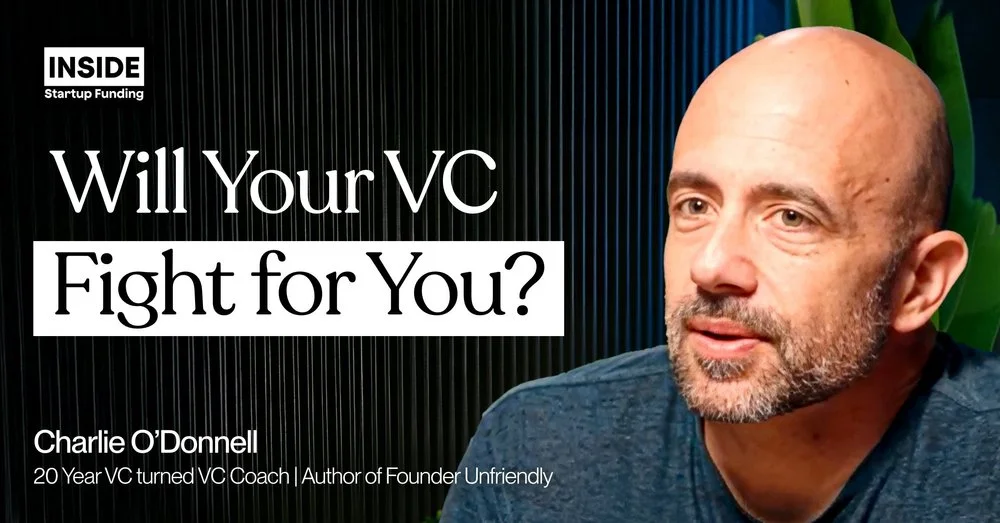
For additional insights, check out my episode of “Inside Startup Funding,” wherein I delve deeper into these themes and discuss lessons from my book, Founder Unfriendly: What Investors Won't Tell You About Getting Funded.


