Understanding the success of home pregnancy tests reveals crucial insights into consumer demand and the potential of innovation in health tech.
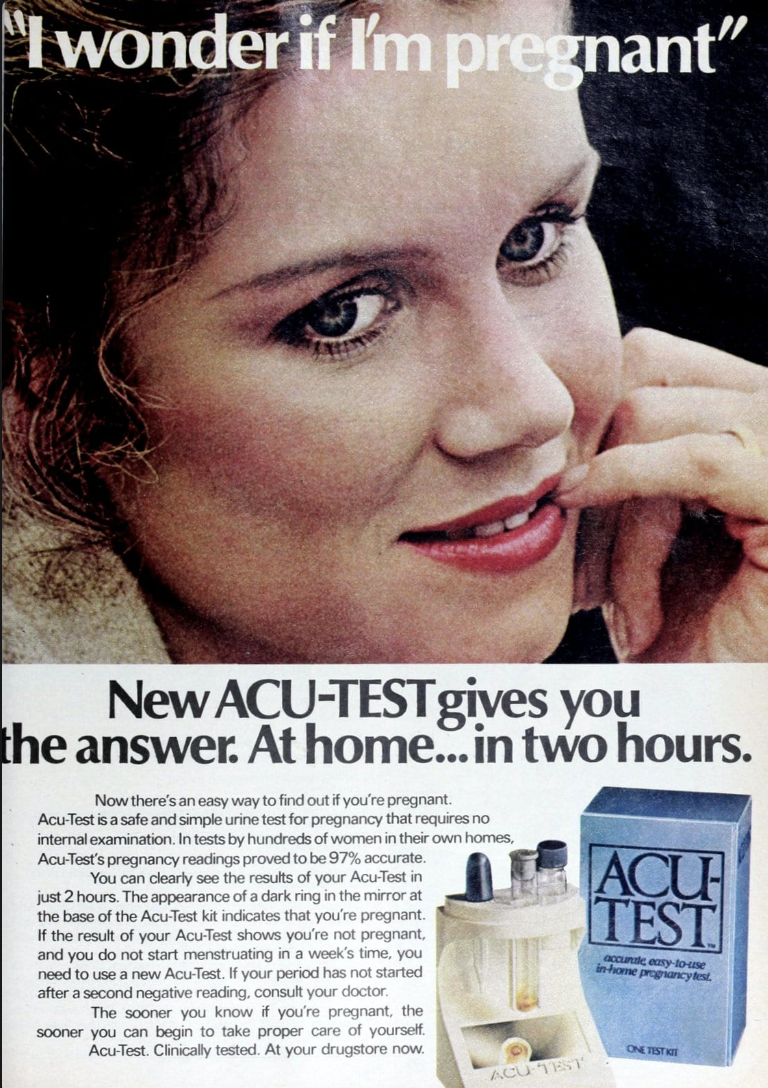
Exploring the evolution of home pregnancy tests provides fascinating insights into consumer behavior and market dynamics. The history doesn’t just show a shift in testing from clinics to homes; it reflects a fundamental change in how women engage with their health and the services around them.
A Misguided Market Perspective
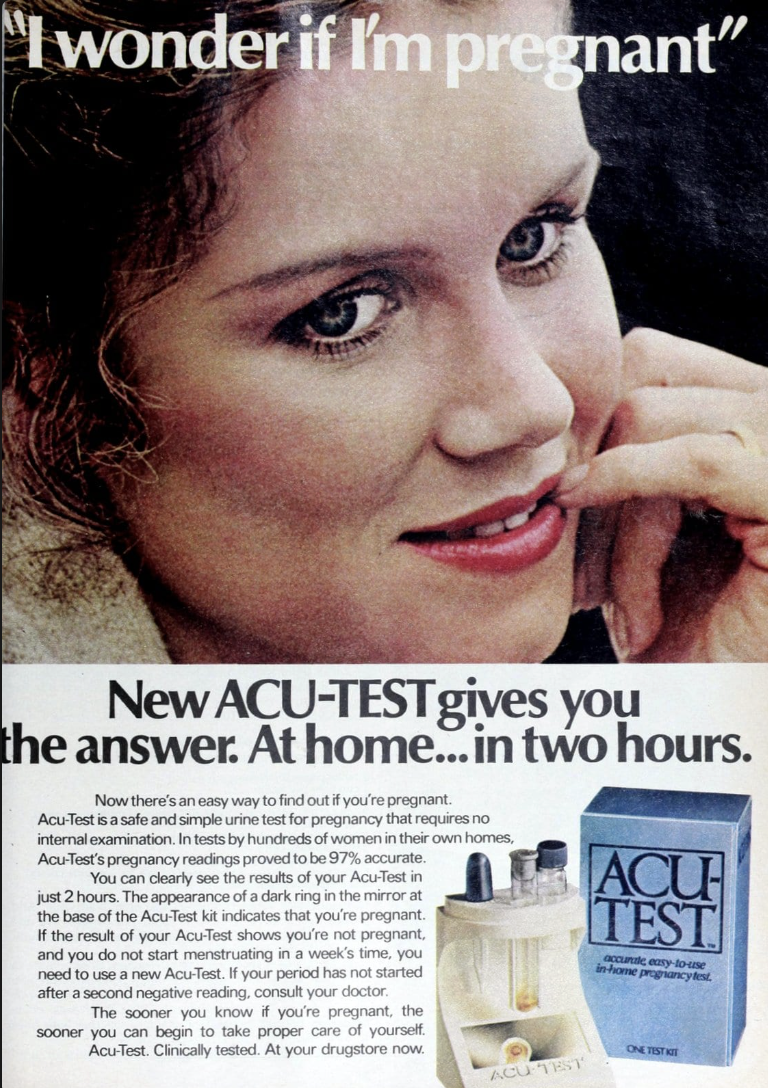
Imagine yourself as a venture capitalist in 1976, just two years before the first at-home pregnancy test became available to the American public. You're presented with a product that at first glance seems both confusing and impractical. You might look at the product components—a collection of sheep's blood samples, a dropper, and an angled mirror—and think, "This can’t be right." The price tag of around fifty dollars in today's currency might raise further doubts, particularly when the typical doctor visit already touches what you believe to be a stable demand for pregnancy testing.
Your market analysis would likely fixate on existing medical practices—doctor visits and lab tests—mistaking these models for the entirety of consumer demand. Many experts would echo your skepticism, insisting that women couldn't possibly use the test correctly or handle the results responsibly without a physician present. The thought of empowering women to test at home, independently of their healthcare provider, was simply inconceivable to those stuck in traditional viewing patterns. As a result, you decide to pass on the investment opportunity, missing out on a substantial shift in the marketplace.
The Reality of Demand Disruption
However, what's vital to grasp is that the primary barrier for women seeking pregnancy tests in 1976 was not the necessity of the test itself but the cumbersome logistics tied to obtaining one. Women had to schedule appointments, travel to clinics, provide urine samples, and then wait days for results. This process was time-consuming and often intrusive to their personal lives.
By narrowing your analysis solely to the current market of doctor's visits, you would overlook a burgeoning desire for privacy and empowerment among women—a demand that had previously been suppressed. In a 1979 analysis, it was bluntly stated: testing at home enabled women to keep their medical decisions—and their sexual lives—private.
The numbers speak volumes. By 1990, women were buying multiple pregnancy tests for each live birth, with studies in the UK suggesting figures as high as seven tests for every pregnancy. By the end of the '80s, around one-third of American women had used an at-home test. This was not just a convenience; it was a seismic shift in how women approached reproductive health. The introduction of ovulation tests in 1986 transformed the market further, making the concept of self-testing a recurring activity.
Modern Implications: A Look at Nurfy
Fast-forward to today, and parallels can be drawn with Dr. Mariam Elgabry's venture, Nurfy. This innovative appliance allows users to conduct real microbiology tests directly from their kitchens in under 18 hours, using swappable cartridges for various systems like gut health and STIs. This development emphasizes a growing trend of making lab-grade diagnostics accessible at home, much like pregnancy tests did in the previous century.
Similar to how pregnancy tests empowered women to take control of their reproductive health, Nurfy targets crucial health aspects that were traditionally confined to laboratories. Rather than seeing the market solely as a slice of the existing laboratory services, it becomes evident that the real demand lies not only in the need for tests but in the convenience and immediacy they provide.
The Shift in Perception
Those who analyze Nurfy purely in terms of market size may reach similar conclusions to those venture capitalists of the 1970s who dismissed the early pregnancy tests. The misunderstanding stems from the inability to appreciate the shifting landscape of consumer needs, especially as it relates to personal health management. People are evolving, and so are their expectations from healthcare services.
The past's missteps serve as a cautionary tale for today's investors and entrepreneurs. It's not merely about the numbers or existing business models; it's about understanding the underlying demand and how it can be unlocked. In the case of both home pregnancy tests and innovative health appliances like Nurfy, the potential market is vast, often hidden until a disruption occurs that aligns consumer needs with practical solutions.
For business owners and innovators, the lesson is clear: aim to identify and address the friction points within your industry. Tuning into the nuances of consumer behavior and the unmet needs can reveal opportunities that traditional metrics may obscure. It's about thinking beyond the conventional and recognizing that true market potential often lies within spaces that have yet to be explored.
In conclusion, the evolution of home pregnancy testing uncovers valuable insights into consumer empowerment and market demand. As we look ahead, let’s continue to challenge the status quo, assess the real needs of consumers, and embrace the potential that innovation holds for shaping the future of health tech.


