Steven Medway's journey from feeling isolated to creating "Blood on the Clocktower" highlights the power of community-driven design and strategic marketing without traditional advertising.

A Journey From Isolation to Connection
Steven Medway's story is as much about personal connection as it is about game design. Growing up in Sydney, he faced loneliness early in life, losing his father at a young age and navigating various jobs and interests without ever feeling truly grounded. This search for belonging spurred him to immerse himself in board games, leading him to create Blood on the Clocktower, a game designed to foster social interaction and connection in an increasingly isolated world.

The Birth and Success of Blood on the Clocktower
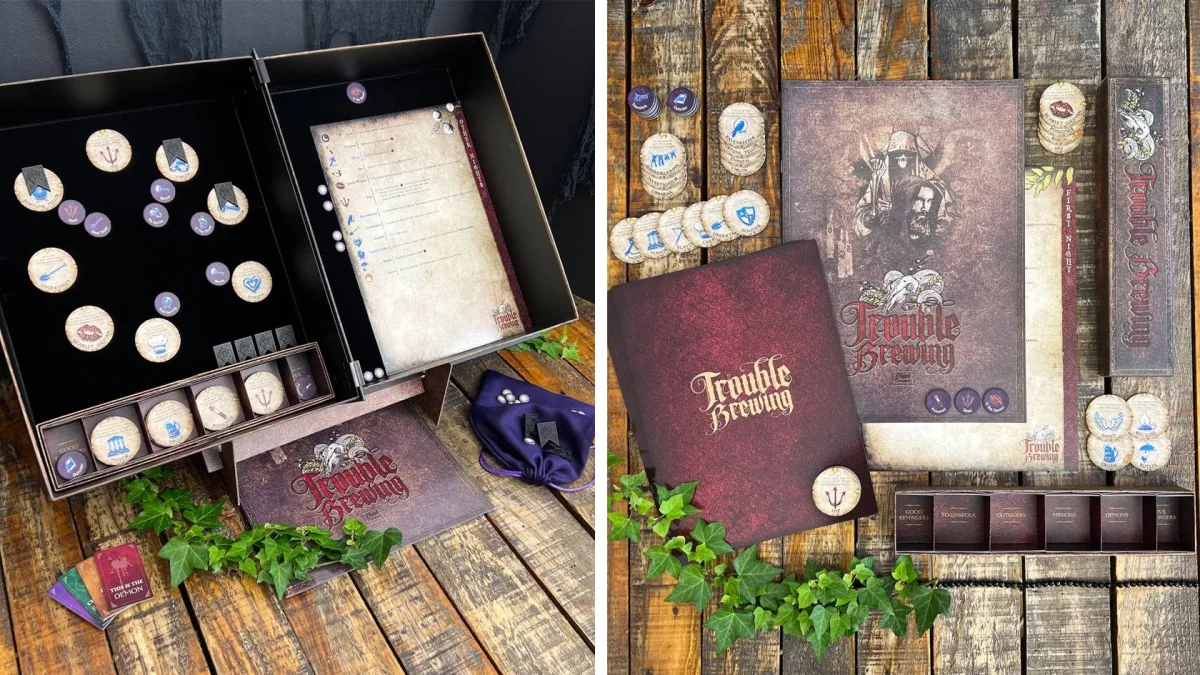
Launched in 2019 after years of careful development, Blood on the Clocktower has become one of Australia's top modern game exports. With over 100,000 sets sold globally and translations in nine languages, the game has captivated around two million players in China alone. Remarkably, it has achieved a consistent growth rate of about 50% year-on-year, all without traditional advertising or external funding.

Designed for Inclusion
Medway's design philosophy centers around inclusion—he wanted to create a game where everyone can participate, even if they 'die' in the game. Unlike many social deduction games, players who are eliminated can continue to interact, discuss, and vote. Medway recalls a significant moment during the game's initial testing at a family festival where diverse players, including non-gamers, thrived together in the game. This early feedback fueled his conviction that Clocktower had the potential to bring together disparate groups.

One touching example involved a player with severe disabilities who participated through a specially designed character, showcasing Medway's commitment to making all players feel valued and involved. The positive impact of the game extends beyond entertainment, with players reporting that it helps them combat anxiety, social isolation, and chronic illness.

Community-Driven Marketing
Before launching on Kickstarter, Medway spent five years touring gaming conventions, distributing handmade copies of the game, and engaging community leaders in gameplay. This grassroots marketing effort proved invaluable. By the time Blood on the Clocktower appeared on Kickstarter, it had built an eager community ready to support the project. The campaign was enormously successful, raising $1.42 million from an initial goal of $10,000, and it became one of Kickstarter’s most popular projects.

However, Medway candidly reflects on the downsides of his preparation, admitting that the project faced challenges concerning art direction and manufacturing readiness. They launched the campaign with a game that was only partially complete, leading to delays. But through the strong community ties and the quality of the game itself, they weathered these storms.

Self-Publishing as a Strategic Move
Initially, Medway sought traditional publishing routes, but the difficulties he encountered led to a pivotal shift towards self-publishing. This decision, he sees as a blessing in disguise, allowed him to retain control over the brand and maintain direct connections with fans. As a result, Blood on the Clocktower has expanded into various formats, including a digital version, novels, and even live events like shows at the Edinburgh Fringe Festival.
Unexpected Growth in China
Perhaps the most surprising aspect of the game's success has been its reception in China, where it flourished during pandemic lockdowns. The game's mechanics align closely with cultural venues that serve as "third places," social spaces distinct from home or work. Medway's observations reveal how Chinese players embraced the game as an avenue for essential social interaction during a time of separation.
A Legacy of Connection
Medway's open approach to fan engagement has cultivated a thriving community that not only plays the game but creates content around it. Several fan-conceived characters gained official status, reinforcing a sense of shared ownership and investment in the game. One poignant encounter in Shenzhen reinforced this connection—a fan expressed gratitude, revealing the game allowed him to support his family as a storyteller.
Through Blood on the Clocktower, Steven Medway hasn't just created a successful game; he has built a community that addresses social isolation in significant ways. As his journey continues, the emphasis on connection and open engagement serves as a powerful model for all entrepreneurs looking to cultivate community alongside their businesses.
For those interested in exploring the game further, visit the official site to start your journey with Blood on the Clocktower.


