A heated hearing exposed competing approaches to Social Security’s projected shortfall, with a 22% benefit reduction forecast by the end of 2032 without changes.
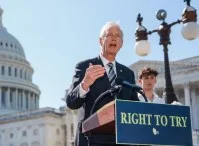
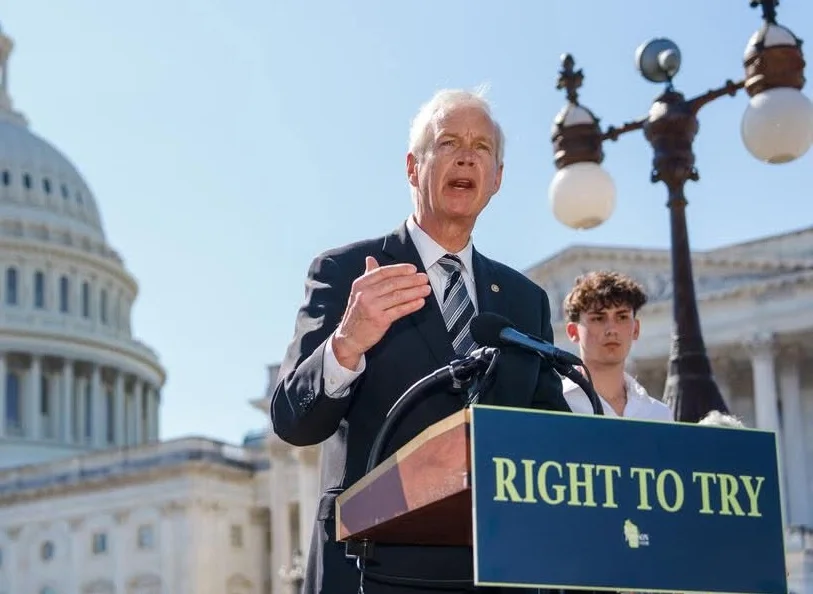
The hard part of addressing Social Security’s projected shortfall may be building agreement on a remedy. At a hearing on November 20, 2026, senators described sharply different approaches to funding the program, while an argument over its financial condition underscored how difficult it could be to keep negotiations on track.
The Social Security Board of Trustees projects that, without changes, recipients could face a 22% benefit reduction by the end of 2032. The program serves more than 72 million retirees, according to comments at the hearing. Yet none of the bills introduced to address the shortfall has gained momentum, leaving a substantial gap between acknowledging the problem and settling on a response.

A heated start to the discussion
Ron Johnson, the Republican chair of the Senate Budget Committee, drew sharp criticism from Democrats after describing Social Security as a “Ponzi scheme” in a Fox Business interview earlier that day. Senator Mark Warner of Virginia called the remark “outrageous” and said it risked frightening seniors while scoring political points.

Johnson later called his wording “imprecise.” He said he wants to preserve Social Security and pass legislation preventing benefit cuts if the trust fund is depleted. During the interview, he had also argued that the system could not be repaired and should be shut down, then said that requiring contributions to continue could make it solvent. The conflicting descriptions became a flashpoint before lawmakers had even begun weighing the available approaches.

At the hearing, Johnson said the country should first pass a law preventing cuts, then address what he described as the wider problem of debt and deficits. He argued that the country needs the financial capacity to honor commitments to seniors, and said he had used the provocative phrase partly to draw attention to the issue. He also told Democrats that his memo, sent the day before, set out his position on protecting benefits.

Different paths to stronger finances
The central policy divide is over how to bring more money into the program and what trade-offs each approach might involve. Republicans at the hearing emphasized economic growth as a way to increase revenue, while warning that tax increases could slow that growth. Democrats focused on raising revenue directly, including proposals to expand the income subject to Social Security payroll taxes or to tax other income.
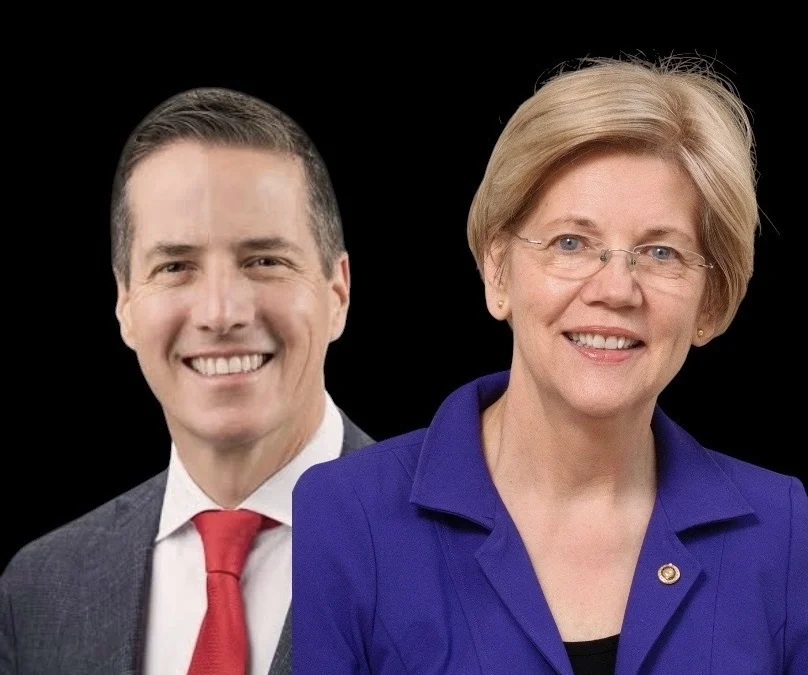
One proposal from Republican Senator Bernie Moreno of Ohio and Democratic Senator Elizabeth Warren of Massachusetts would apply the payroll tax to all earned income by removing its income cap. The proposal drew criticism from fellow Republicans. The disagreement illustrates a basic challenge in funding debates: a plan can have support across party lines and still face opposition over who would pay more.

A separate bipartisan proposal came from Senators Richard J. Durbin of Illinois, Bill Cassidy of Louisiana, Tim Kaine of Virginia, and John Cornyn of Texas. It would direct the Social Security Advisory Board to recommend legislation aimed at ensuring the program remains funded for at least 50 years. That approach would set a long-term funding target and ask an advisory body to propose a route toward it; the proposal itself does not specify the eventual financing choices.
Kaine said he viewed work on Social Security’s financial stability as a possible step toward addressing broader fiscal problems. He was expected to chair the Budget Committee when Democrats took over Congress the following year. The leadership change could shape which ideas receive attention, but the hearing offered no indication that a specific bill had secured enough support to advance.

The practical test is a workable agreement
For people planning retirement and for employers that help workers understand benefits, the immediate takeaway is the uncertainty. The hearing established that senators on both sides said they were committed to fixing Social Security, but their preferred routes remain far apart: one side stressed growth and cautioned against tax increases, while the other proposed raising more revenue through the tax system.

That difference matters because identifying a projected shortfall does not settle how to close it. Any proposal would need to address the program’s finances while also resolving disagreements about taxes, growth, and benefit protection. The proposals described at the hearing show possible mechanisms, but no agreement emerged on which mechanism to use or how to combine them.

The next meaningful signal will be whether any of these ideas develops into legislation with support beyond its original sponsors. Until that happens, the 2032 projection remains a concrete deadline in a debate still marked by competing priorities. For workers and businesses, tracking the details of proposed changes will be more useful than reading any single heated exchange as evidence that a funding solution is near.