A proposed benefit boost would raise payroll taxes on higher incomes, while its critics warn the costs could reach workers and squeeze other priorities.

Social Security’s financing debate is also a debate about wages, hiring and how much room remains in the federal budget for other needs. Bernie Sanders has proposed raising benefits by $2,400 and applying the payroll tax to more high incomes. The plan could bring in more money for retirees, but its cost may extend beyond the people whose earnings face the higher levy.
A looming funding gap
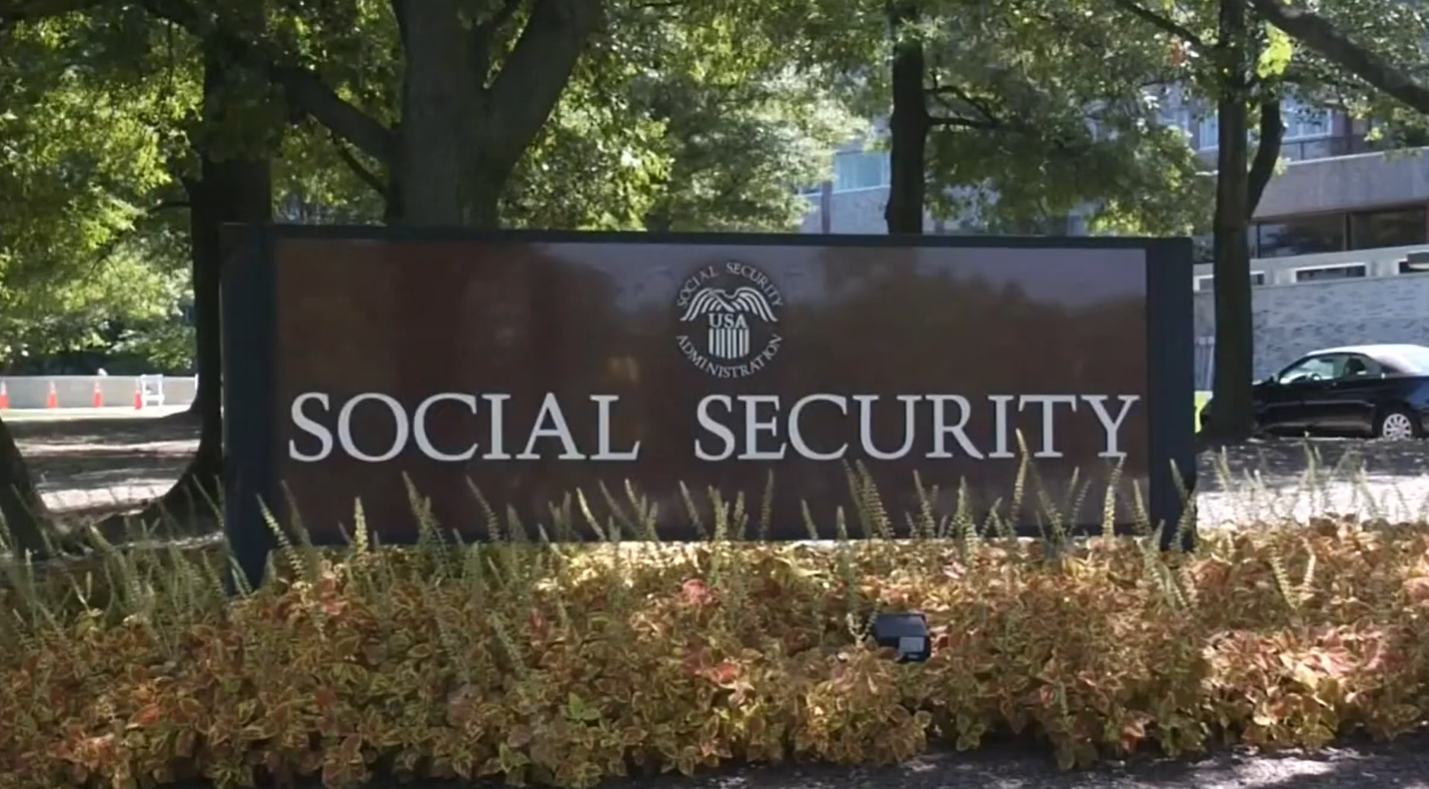
The program’s trust fund is projected to run out around 2032. Without new legislation, benefits would then face a 22% reduction. Social Security is a primary income source for many retirees, which makes a fix consequential for households across generations.

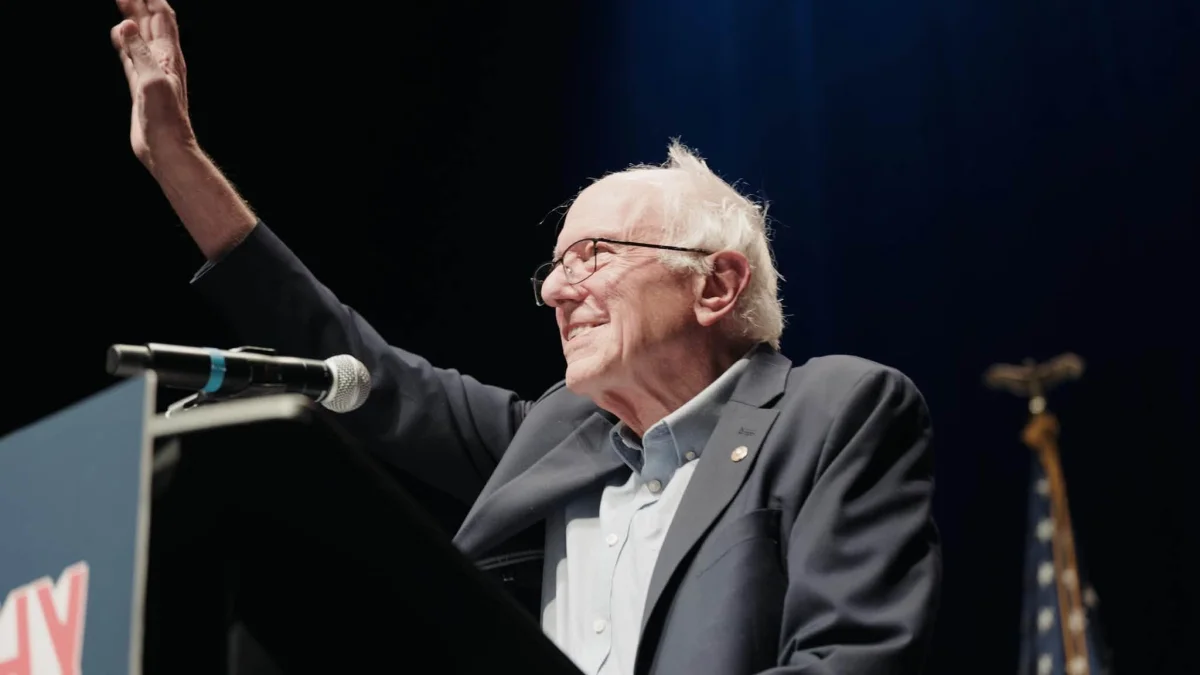
Sanders, a Vermont lawmaker who was expected to lead a Senate subcommittee on Social Security in January, has argued for higher benefits and a larger contribution from wealthy households. His Social Security Expansion Act, introduced the prior year, would apply the 12.4% payroll tax to income above $250,000. Under the existing rules cited in the proposal, the tax is capped in 2027 for earnings of $192,300 or more.

For employees, the payroll tax is split between worker and employer, with each paying 6.2%. Self-employed people pay the full 12.4%. Sanders’ proposal would also reach some business and investment income, according to the column’s analysis.

The cost can travel through the workplace
The direct deduction from a worker’s paycheck is only one part of the calculation. Economists cited in the column argue that employers’ share of payroll taxes can ultimately affect workers too. A higher tax raises the cost of labor for a company, and businesses have to absorb that cost somewhere.

Over time, that could mean slower wage growth, smaller retirement-plan contributions from employers, or fewer jobs. The timing and mix would vary by workplace, but the central point is practical: the nominal division of a payroll tax between employer and employee doesn’t guarantee that workers bear only the employee portion. The Congressional Budget Office’s approach, as described in the column, assumes workers carry the cost in one way or another.
That matters for owners weighing compensation, staffing and benefits. A tax increase may show up first as a larger deduction for some employees, yet the longer-term effects can reach hiring budgets and pay decisions. Those trade-offs are harder to assess when a proposal also includes other income sources and a substantial rise in the tax base.
How much room is left for other needs?
The argument for asking higher earners to contribute more is straightforward: a person earning $350,000 may be able to pay more. But the column’s author contends that a 12.4% levy on earnings above the proposed threshold would leave less room to raise funds for healthcare, childcare or infrastructure. The question is not only who pays for retirement benefits, but how to divide limited tax capacity among competing needs.

Sanders has said the increase would affect 9% of American households. The column estimates that people facing the full tax incidence could pay 53.2% in federal taxes alone. For residents of high-tax places such as New York or California, the combined share could exceed 60% of earnings.

The author also points to research suggesting that tax rates above 70% can weaken incentives to work and invest, or encourage people to take steps to avoid taxes. That is the concern behind the broader debate over how high rates can rise before they begin to change behavior and weigh on economic growth.

Meanwhile, the distribution of public spending and hardship remains part of the discussion. The column cites child poverty at 14.3%, compared with 9.9% among people over 65. It also notes that older adults receive Medicare coverage and that many have retirement savings. Brookings Institution figures cited in the column estimate that nearly $5.6 trillion in Social Security and Medicare benefits will go over the next decade to seniors whose income before benefits exceeds $100,000.
Several changes could share the burden
The column’s proposed alternative combines smaller adjustments rather than relying on one large increase. It suggests a tax rise closer to 2% on income above a threshold, alongside a one percentage point increase in the base payroll tax, from 12.4% to 13.4%.
Other options discussed include changing the benefit formula so payments grow with inflation rather than wages, reducing benefits for higher earners, and raising the retirement age. Phasing changes in would give workers and employers more time to adjust their plans.
The author also argues that the money could compete with investments in infrastructure and education, an expanded child tax credit, or restored health insurance subsidies for working people. Rising interest rates make existing debt more expensive to service, adding another claim on available funds.
Social Security’s funding gap still needs a solution, and every option shifts costs among workers, employers, retirees and taxpayers. For businesses, the practical issue is to watch how any proposed payroll tax changes could feed into total labor costs, compensation and staffing. A durable fix will have to account for those effects while balancing retirement promises against the needs of younger households and other public priorities.