Richard Neal says his committee will take up tax credits, Medicare funding, Social Security and tariffs as he prepares for a second turn as chair.
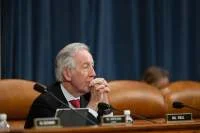
Richard Neal’s return as chair of the House Ways and Means Committee would put a wide range of tax and retirement issues on the committee’s agenda. The Massachusetts representative says early priorities include restoring Affordable Care Act tax credits, addressing Medicare cuts affecting Massachusetts hospitals, and holding hearings on Social Security’s future.
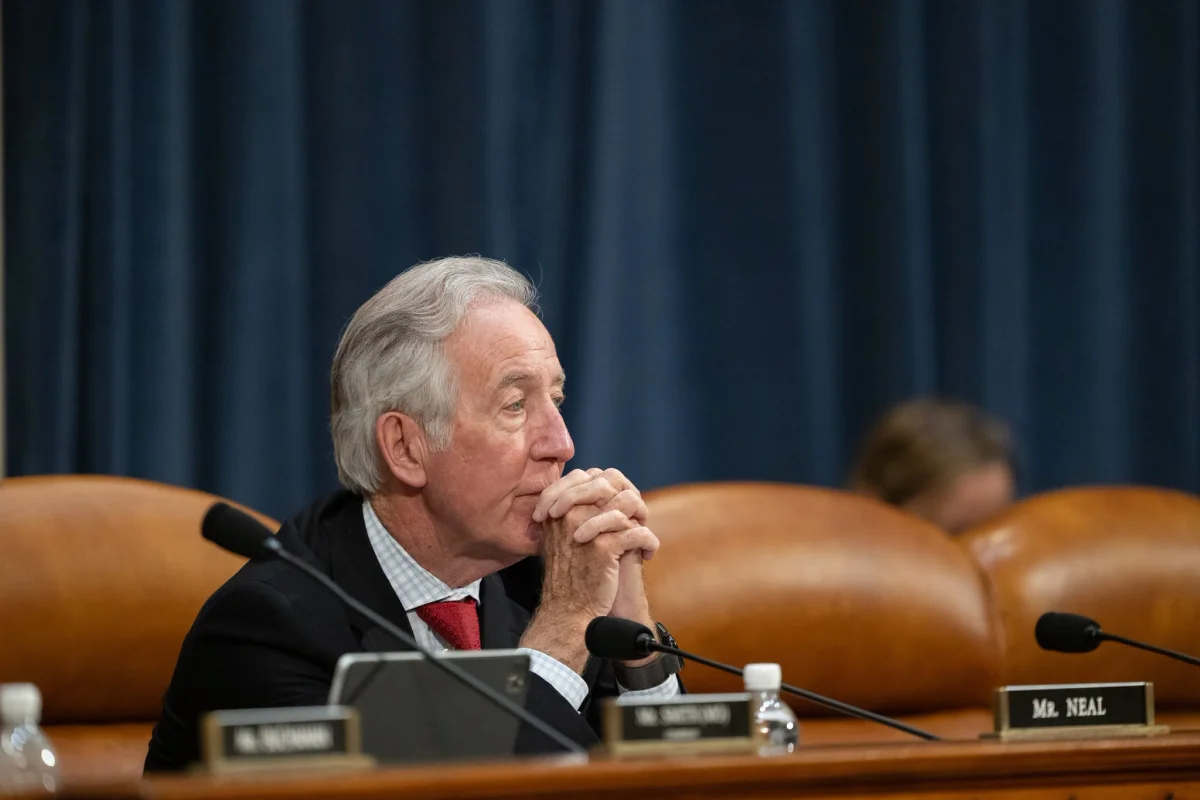
Neal, a Democrat from Springfield, spoke to reporters Wednesday after winning a 20th term. With Democrats set to hold a House majority, he is positioned to lead the committee for a second time. The source article is dated November 5, 2026.

The committee’s scope matters because it touches decisions that affect household finances, employers and the services on which communities rely. Neal described its responsibilities as covering taxes, tariffs, Social Security, Medicare, the tax side of Medicaid, pensions, welfare and management of public debt. “Not a bad portfolio,” he said.

A broad agenda with direct financial effects
For businesses and their advisers, tax decisions can shape planning, costs and the timing of financial choices. The source does not identify specific tax proposals or explain what restoring the Affordable Care Act credits would involve. Neal named the credits as a priority, leaving the details and legislative path to be worked out.

His comments also connected federal tax work with retirement and health programs. The committee’s remit includes Social Security and pensions, as well as Medicare and the tax side of Medicaid. Neal said he intends to hold hearings on Social Security’s future. Hearings can put questions and competing views on the record, though the source does not say what schedule or format he has in mind.

Medicare funding is another early concern. Neal said he wants to reverse trillions of dollars in Medicare cuts that he said endanger Massachusetts hospitals. That is his stated assessment; the source provides no breakdown of the cuts, affected facilities or proposed reversal. The practical stakes he raised are local: changes to federal health funding can matter to hospitals that serve Massachusetts communities.
Tariffs and Massachusetts trade links
Neal signaled that tariffs could become an early point of scrutiny, saying, “I would be willing to test him immediately on the tariff issue, as well.” He also identified repairing relationships with Canada as a concern, describing it as Massachusetts’ biggest foreign trading partner.
That connection gives the trade issue a business dimension. Companies that sell across borders or depend on imported inputs can be affected by tariff decisions and by the condition of trading relationships. Neal did not outline a specific tariff proposal, name affected industries or describe a timetable. For firms with Canada ties, the useful signal is that trade questions may receive attention from the committee, while the actual consequences will depend on decisions and details not yet provided.
Oversight of Social Security and the IRS
Neal said the committee has an oversight role and should examine what DOGE’s cuts and activities meant for Social Security and the Internal Revenue Service. He did not specify which actions the committee would review, what records it would seek or when hearings might occur. The stated focus is on understanding the effects of those changes on two major institutions.

For businesses, the IRS is a key part of the tax system they use to file and meet their obligations. But Neal’s remarks, as reported, do not identify planned changes to IRS operations or explain what the review could mean for taxpayers. Owners and advisers will need concrete committee proposals or findings before drawing conclusions about effects on filing, payments or service.

Neal said he does not want to focus exclusively on the preceding two years under Donald Trump. At the same time, he placed oversight among the committee’s responsibilities and raised questions about the effects of DOGE’s work. His comments point to a dual agenda: pursuing policy priorities and reviewing changes made during the prior period.

What to watch next
Neal called the chairmanship a rare opportunity. He also noted that Massachusetts has had a member on the Ways and Means Committee for 75 consecutive years. His return gives the state a familiar voice at the head of a committee with an unusually broad brief, but the next steps will depend on what the committee chooses to examine and what proposals take shape.

The clearest near-term signals are the subjects Neal named: health coverage credits, Medicare funding, Social Security, tariffs and oversight of the IRS and Social Security. For business owners and managers, the practical takeaway is to follow the details as they emerge. The broad agenda identifies where attention may go; it does not yet establish what will change or when.