A survey finds 74% of workers save workplace records, while 45% document interactions more often than five years ago.
Workplace documentation has become a routine safeguard for many employees: 74% of more than 1,000 U.S. workers surveyed said they had deliberately saved emails, messages, screenshots or other records in case they needed proof later. Nearly half, 43%, said they had used documentation to defend themselves, and 32% said it helped them successfully.
The findings come from ResumeBuilder.com’s Workplace Receipts Report. For owners and managers, the figures point to a practical management challenge: employees are keeping records because they want clear accounts of conversations and decisions. Clear follow-ups and consistent communication can help everyone share the same understanding of what was agreed.

What workers save, and when they use it
Record keeping ranges from occasional preparation to a repeated habit. In the survey, 32% said they had saved workplace evidence many times, 34% had done so a few times, and 8% had done so once. The remaining 26% had never intentionally kept records for later use.

When employees described whether documentation had helped them, 32% reported successfully using it to defend themselves. Another 11% had tried to use records but said they did not help. A further 22% had not needed to rely on their records but were glad they had saved them. Sixteen percent had never used documentation to defend themselves, while 19% had never kept records and therefore had not needed to use them.

Those responses show that employees do not always start documenting after a dispute. Some keep a record in case a disagreement arises; others reach for it when they need to reconstruct a decision or explain what happened. For managers, a brief written recap after an important conversation can make expectations, owners and next steps easier to check later.

Blame and declining trust can start the habit
Among workers who began keeping records for a particular reason, 22% said they started after being blamed for something they had not done. Other reported triggers included seeing another person blamed unfairly (12%), losing trust in a manager (12%), receiving advice from a coworker (7%) and having a negative experience with HR (5%). Eighteen percent said they had always documented as a precaution.

The pattern suggests that record keeping can reflect how employees experience communication and accountability. A written trail may help clarify events, but its prevalence can also signal that some workers feel they need a personal account of what was said. Managers can reduce ambiguity by documenting decisions openly and giving employees a chance to correct misunderstandings while details are fresh.
Manager conversations draw the most attention
One-on-one meetings with direct managers were the most commonly documented interaction, cited by 32% of respondents. Difficult conversations with coworkers or managers followed at 29%. Workers also reported saving records of performance reviews (26%), decisions made in meetings (24%), HR conversations (24%), disciplinary or performance discussions (20%), and compensation conversations (19%). Promotion or career development discussions and workplace chats on platforms such as Slack or Teams each came in at 15%.

Managers and senior leaders were the people workers were most likely to document, at 25%. Another 23% said they were most likely to document coworkers, 19% documented everyone equally, 6% focused on HR, and 5% on clients or customers.

These results make routine management conversations a useful place to improve clarity. A short, neutral recap can record what was discussed, the decision reached and any follow-up assigned. That approach gives both sides a shared reference and can prevent differing recollections from becoming the only record of an important exchange.
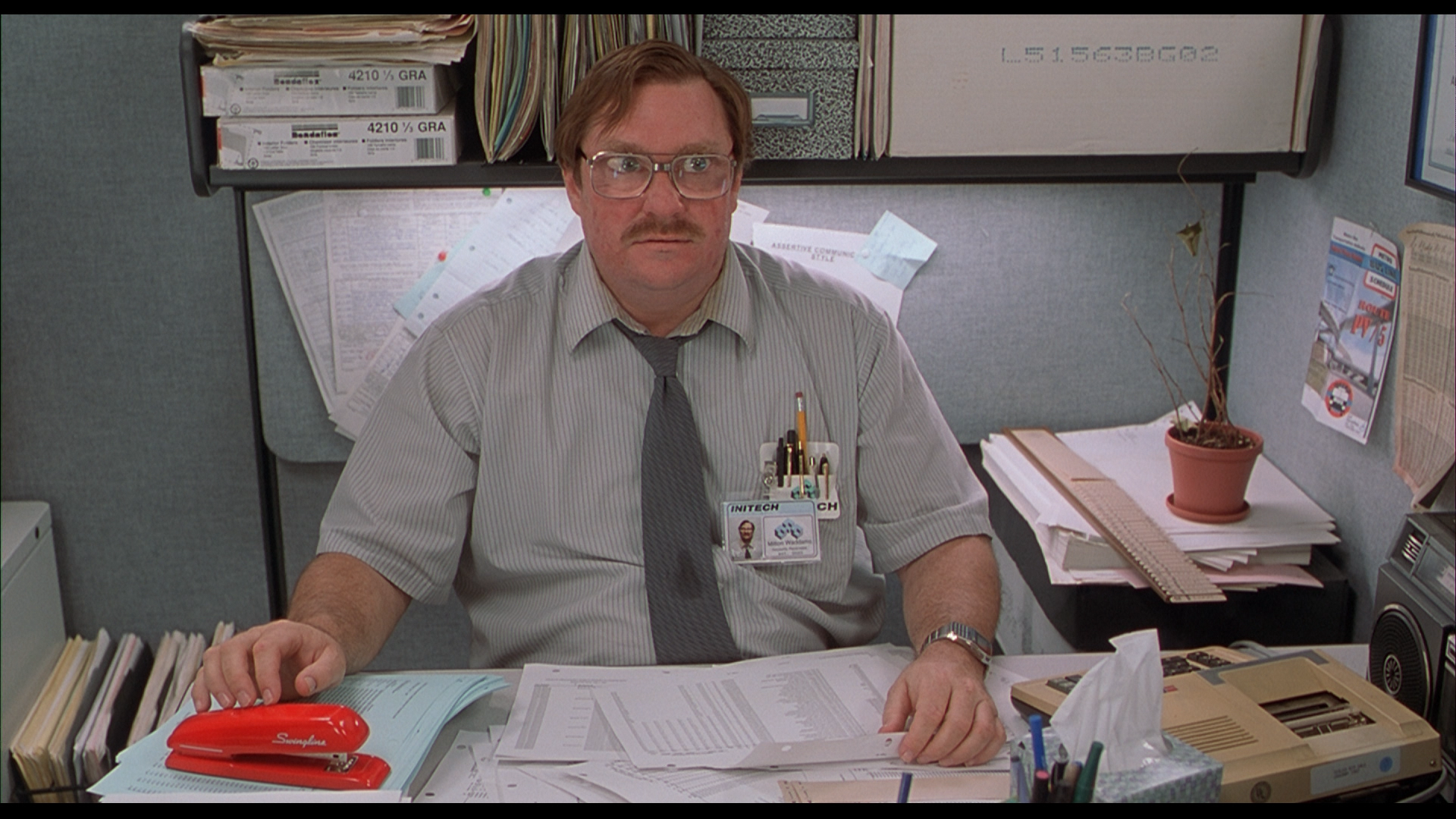
Documentation is becoming more common
Forty-five percent of workers said they document workplace interactions more often than they did five years ago. Within that group, 22% said they do so much more often and 23% somewhat more often. Another 27% reported no change, 7% said they document less, and 21% had never documented workplace interactions.
Stacie Haller, chief career advisor for ResumeBuilder.com, said technology has made it easier to save conversations, capture decisions and track details. She added that workplace trust can become more complicated as working relationships change, and described documentation as a safeguard that can support clarity and accountability for employees and employers.
AI tools enter the record keeping process
Twenty-two percent of respondents said they had used an AI tool or meeting notetaker to document conversations, meetings or workplace decisions. Such tools can help capture details that participants might otherwise have to remember or write down manually. The survey does not specify which products workers used or how often they relied on them.
For small firms, the practical takeaway is straightforward: employees already value a clear record of important discussions, and digital tools are making that easier. Managers can set a consistent tone by stating decisions plainly, sharing written summaries when appropriate and making space to resolve discrepancies early. The survey’s figures suggest that clear records are now part of how many workers expect workplace conversations to be handled.