A two-year refresh has lifted sales at many Spudbar locations, with product changes and franchise recruitment shaping the next stage of growth.
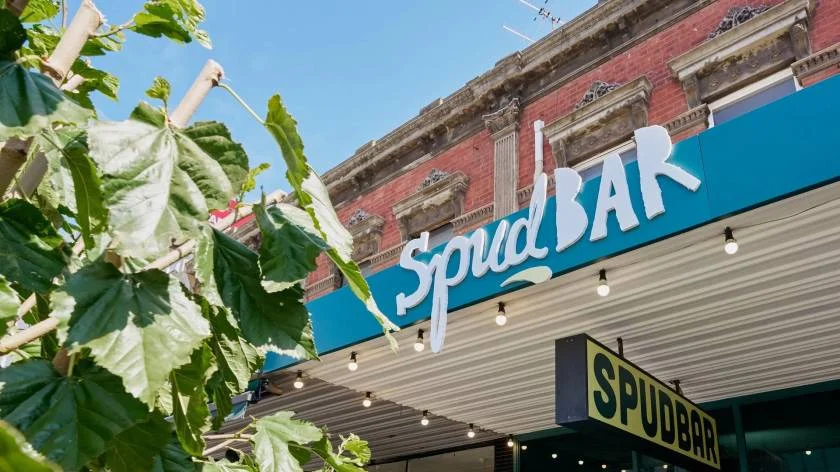
Spudbar says its refresh is translating into stronger sales across much of its 20-store network, giving the baked potato franchise a base for its plan to double its footprint over the next two years. Managing director Andrew Mitchell said some refurbished stores have recorded year-on-year sales growth of around 30%, while 17 locations are ahead of the same period last year.

The results come only a couple of months after the relaunch. Spudbar’s changes span its food, store design, equipment, leadership and customer experience. The company is also developing potato-based snacks and sides, including loaded hot chips, and considering grab-and-go options at selected locations. Limited-time products and seasonal specials are planned as further ways to keep the menu fresh.
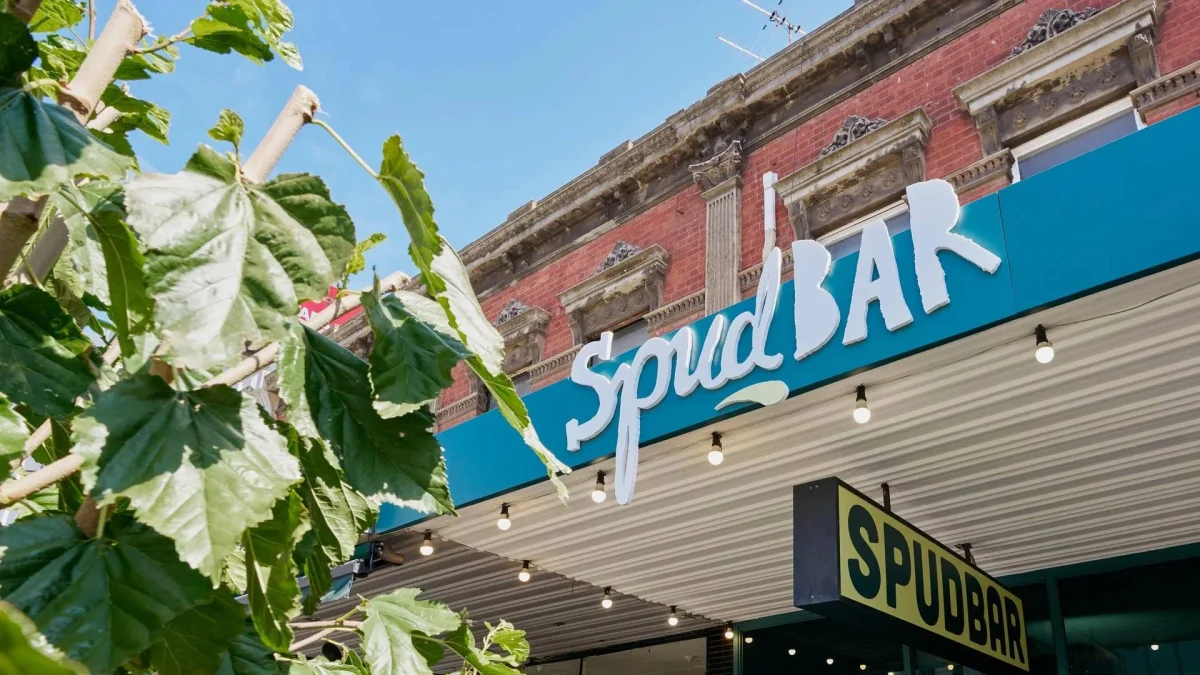
Sales gains across a mixed network
Mitchell described the early performance as encouraging, but the network’s results aren’t uniform. Three stores are flat or behind their figures from last year. Spudbar is working with those franchisees on opportunities tailored to each business and drawing on practices from locations reporting growth of 25% or more.

That approach treats the sales figures as a starting point for operational learning, rather than assuming one fix will work everywhere. Store conditions and local customers differ, and the company’s next task is to understand what is driving the results at individual sites. For franchise businesses, spreading improvements from stronger locations can offer a practical route to lifting weaker ones, provided the changes suit each store.
Mitchell also pointed to renewed confidence among franchise partners. He said they are embracing the changes and that customer responses to the improved product are showing up in commercial results. Spudbar’s account links the refresh to both customer interest and greater alignment across its franchise network, though the company is still early in assessing the relaunch.

Mitchell sees two groups responding to the updated brand: younger customers who may not previously have considered a loaded potato, and former customers returning after years away. In his view, some of the latter had simply lost track of the business. Winning back familiar customers while attracting new ones gives the menu and brand refresh two different jobs to do.
Food changes came before the new look
The rebrand took 24 months, with the company choosing to work on the product before changing its visual identity. Spudbar spent about 12 months reviewing and improving its food, including the potato variety, preparation and cooking. The team also examined virtually every ingredient and recipe, working with Josh Powell of Super Food Solutions.

Mitchell said the sequence mattered: a new identity would have fallen short if the customer experience didn’t support the promise. The work began with what defines the offer—the potato itself—and extended across the menu. That product-first process gave the business time to address the experience behind the brand before introducing its updated appearance.
The refresh also followed the arrival of a new leadership team. Mitchell said the relaunch was intended to build shared direction and renewed energy across the franchise network, while clarifying the standards the business expects of itself. The second driver was a fast-casual dining market that has changed substantially. Spudbar aimed to retain what existing customers valued while presenting it with a more consistent, contemporary identity.

The company describes the project as a development of its 25 years of brand equity, with changes reaching food, operating standards, store design and the guest experience. Its new visual identity brings together elements that had accumulated over time, and now carries through uniforms, store fitouts and digital channels.
Store upgrades take time
Physical changes are still in progress. Mitchell said roughly half of Spudbar’s stores have been operating for more than a decade, making upgrades to sites and equipment a substantial undertaking. The business would have preferred to refurbish every location before relaunching, but the work has to account for commercial realities and the practical demands of running a franchise network.
That means customers won’t encounter the same stage of the refresh at every location. Spudbar says further refurbishments and new equipment are still to come, alongside continued product development. The remaining work will help determine how consistently the company can deliver the updated experience across its existing stores.
Expansion depends on the franchise offer
Spudbar plans to double its footprint over the next two years and is seeking franchise partners for new opportunities, including Point Cook and Caroline Springs in Melbourne’s west. Mitchell argues that the format can suit shopping centres, central business district locations and high streets. He also points to a simple operating model and an entry cost he describes as competitive with many quick-service restaurant franchises.
The company’s expansion case rests on a combination of a flexible store format and rising interest in loaded potatoes, as Mitchell sees it. The ownership group is led by Simon McNamara and Ant Morell, whose experience includes building Australian brands such as Boost Juice, Grill’d and Bounce Inc.
For Spudbar, the near-term test is whether the sales momentum holds as more sites receive upgrades and the new menu develops. Its first results offer a positive signal, with 17 of 20 stores reporting year-on-year growth, but three locations still need focused attention. The next stage will show how well the business can carry its product and operating changes through the whole network as it pursues expansion.