As the femtech industry evolves, experts predict personalized health solutions and a shift towards data-driven insights for women's health in 2026.

The femtech industry has witnessed remarkable growth over the last few years, evolving from fundamental tracking apps to a robust sector focused on holistic women's health solutions. According to The Data City, the UK femtech market attracted over £480 million in investment and is experiencing a growth rate of 30%. With projections indicating that this momentum won't slow down by 2026, the sector is set for significant transformations.

Understanding FemTech
Femtech, short for female technology, encompasses products and services designed specifically for women's health. This includes areas like reproductive health, fertility, menopause, maternal care, and general wellness. The primary goal of femtech is to provide women with better insights into their health and address long-standing gaps in funding and research that have historically overlooked women's specific healthcare needs.

Expert Insights for 2026
To better understand the future of femtech, we consulted several industry experts who shared predictions and insights about where the sector is headed.

Anastasia Shubareva-Epshtein, Founder at Carea
Anastasia believes that the femtech landscape is on the verge of a personalisation revolution. She predicts that by 2026, health solutions for women will prioritize women's unique biological rhythms, creating products tailored for their specific needs. As AI technologies continue to advance, they will enable more nuanced and personalized healthcare, easing the burdens on traditional healthcare systems. Anastasia also highlights an important trend towards sustainability, suggesting that menstrual and pregnancy products will move away from being single-use towards environmentally conscious, reusable alternatives that offer additional health insights.

Justyna Strzeszynska, Founder at Joii
Justyna foresees a fundamental shift in women's health by 2026, marked by a transition from subjective symptom tracking to objective, data-backed metrics. She emphasizes that the advent of biomarker-driven tools in menstrual health and menopause will revolutionize how women's health issues are quantified and treated. With AI analyzing patterns and providing clinical evidence, menstrual blood will emerge as a vital source of diagnostic information capable of revealing critical health insights. Furthermore, she predicts that period products will evolve into proactive health monitoring tools, integrating seamlessly into women's long-term health strategies.

Kristina Simmons, Founder and Managing Partner at Overwater Ventures
Kristina anticipates a significant transformation in the perception of femtech from a niche market to a crucial component of overall health infrastructure. With advancements in molecular sensing and cell engineering, femtech will transition from reactive care to predictive insights, particularly in reproductive health. Kristina is optimistic about the convergence of longevity and reproductive science, seeing the potential for transformative therapies targeting menopause and hormone-driven decline. As a result, she envisions substantial investment in women's health, treating it not simply as a consumer segment but as a cornerstone of broader public health initiatives.

Charlotte Lewis, Principal Associate at Mills & Reeve
Charlotte offers a broad view, noting that femtech is projected to reach a market value of $75 billion globally. Her insights point to an industry evolution driven by AI diagnostics and real-time health management tools, extending beyond simple symptom tracking to proactive health strategies in areas such as pregnancy and autoimmune conditions. She notes that UK initiatives, like the Women’s Health Strategy, are paving the way for enhanced investment and innovation, urging a collaborative approach for greater impact across women's health services.

Alisa Sydow, Associate Professor at ESCP Business School
Alisa highlights an upcoming surge in female-focused health platforms that drive holistic care. She anticipates partnerships between femtech startups and public healthcare systems will grow as demand for more integrated solutions rises. Alisa also underscores the importance of specialized acceleration programs designed to fast-track innovation and validation, suggesting a maturing ecosystem ready to harness the potential of femtech investments.

Dr. Laura Geige, Medical Director at It’s Me & You
According to Dr. Laura, the shift from reproductive health to comprehensive wellness will mark a significant change in femtech. She envisions the rise of hyper-personalized, preventive care supported by AI-driven biomarker analysis. The emergence of the "clinic-at-home" model will further blend consumer health devices with clinical expertise, emphasizing the value of data privacy in personal health management.

Sophie Bruce, Founder and CEO at MOLO
Sophie speaks to the broadening scope of femtech, indicating that solutions that alleviate daily burdens for women, such as cognitive overload, are becoming integral to the sector. She predicts that tools designed to streamline logistics and administrative duties will see faster adoption than traditional wellness apps. Additionally, employer-backed models focused on demonstrated ROI will become prevalent, particularly those addressing issues like decision fatigue and fragmented care.
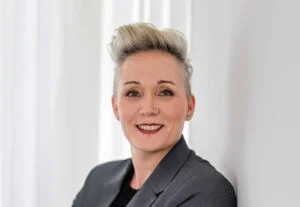
Nancy Scotford, Co-Founder at Get Rude
Nancy projects that hardware will become a new frontier in femtech, offering unique, high-resolution data that software alone cannot achieve. As the industry ventures into previously taboo areas such as sexual health and hormonal optimization, ethical data usage will be crucial. She believes that the industry's resilience amidst economic fluctuations will highlight the importance of compassionate and inclusive femtech solutions.

Sonja Rincón, CEO and Co-Founder at Menotracker
Sonja raises concerns about data privacy, suggesting that by 2026, the industry might face a critical trust issue with users. As companies grapple with managing sensitive health data, she warns that failure to protect user anonymity could lead to significant trust erosion among women, with serious implications for growth in the sector.
Ariane Marie, Founder in FemFinTech
Ariane emphasizes the need for supportive ecosystems that amplify women-led ventures within the femtech space. She calls for greater action from female investors and consumers to prioritize funding for innovative solutions designed for women. Her hope is that increased attention and funding will lead to improved femtech offerings, ultimately enhancing the experiences of women and supporting the founders behind these initiatives.
As the femtech sector gears up for 2026, the consensus among experts is clear: a focus on personalization, data-driven insights, and privacy will be essential in shaping the future of women’s health technology. With growing awareness and an increase in funding, the journey towards an inclusive, robust femtech ecosystem appears promising.