The NRF projects holiday retail sales will rise 4.2% to $1.013 trillion, while retailers expect to hire 325,000 to 375,000 seasonal workers.

U.S. holiday retail sales are projected to pass $1 trillion in 2026, even as shoppers contend with higher prices and pressure on household budgets. The National Retail Federation (NRF) expects sales in November and December to reach $1.013 trillion, a 4.2% increase from the same period last year. For retailers, that points to a large seasonal opportunity, paired with a need to plan carefully around costs and uneven consumer spending.
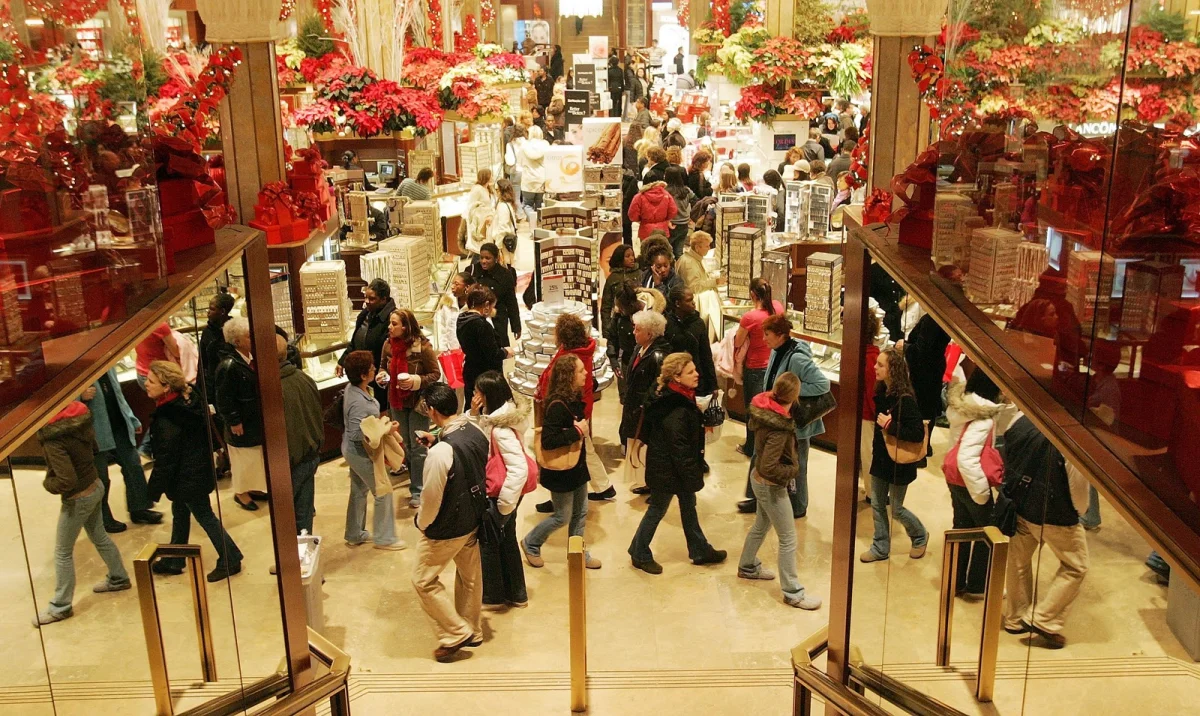
The forecast compares with $972 billion in holiday sales in 2025, when spending rose 3.1% over 2024. The projected 2026 growth rate is higher, but the headline figure does not mean that every store, category or customer group will see the same pattern. NRF leaders say consumers are expected to make room for holiday purchases while paying attention to their budgets.

Spending outlook meets household pressure
“This year’s forecast reflects our confidence that consumers will prioritize the holiday season even as they remain mindful of their budgets,” NRF President and CEO Matthew Shay said. He said retailers are ready to respond with competitive prices, value and choices across different budgets.

NRF Chief Economist and Executive Director of Research Mark Mathews described consumer spending as a source of momentum heading into the holidays. He also pointed to inflation, higher gas prices and pressure on household spending as factors that may affect income groups differently.

That combination matters for businesses deciding what to stock, how to price it and when to promote it. Strong total spending can coexist with customers trading down, delaying purchases or concentrating spending on selected items. The source forecast does not break out results by income group, product category or retailer, so operators should treat the national estimate as a broad demand signal rather than a store level prediction.

For smaller retailers, the practical challenge is matching inventory and staffing commitments to the customers they actually serve. A national growth estimate offers context, but local sales patterns, past seasonal performance and the cost of holding stock will shape decisions at the business level. The NRF’s comments suggest that value and price competition will remain part of the buying environment.

Seasonal staffing plans remain measured
Retailers are expected to hire between 325,000 and 375,000 seasonal workers for the 2026 holiday period. That range is broadly in line with the estimated 356,000 seasonal jobs hired last year. The forecast suggests that businesses are preparing for substantial customer demand, while stopping short of a major expansion in seasonal hiring.

The NRF said retailers are taking a measured approach amid higher gas prices, persistent inflation, higher interest rates and elevated consumer debt. Those pressures can affect both sides of seasonal planning: operating costs and the amount customers have available to spend. For employers, temporary staffing can help cover a busier stretch, but the projected hiring range signals caution about how much capacity retailers are adding.

The figures are estimates for the retail sector as a whole. They do not specify how many workers any individual company should hire or how jobs will be distributed across regions and business types. For store owners and managers, the useful takeaway is the balance the forecast describes: a large seasonal sales period, alongside continued attention to costs and demand.

What the forecast counts
The NRF’s estimate covers core retail sales from Nov. 1 through Dec. 31. Its calculation excludes automobile dealers, gasoline stations and restaurants. That definition matters when comparing the $1.013 trillion projection with other measures of holiday spending: the total refers to the NRF’s stated retail categories and two month period.

The organization says its forecast uses economic modeling and indicators including consumer spending, disposable personal income, employment, wages, inflation and previous monthly retail sales releases. Those inputs help frame a sector wide estimate; they do not remove uncertainty from the outlook. Conditions affecting shoppers and businesses may differ, as Mathews noted in describing pressure on household spending across income groups.

The NRF’s Winter Holiday FAQ and Winter Holiday Headquarters provide further information about the organization’s seasonal data and definitions.

For business owners, the forecast’s clearest signal is scale: the two month period is expected to generate more than $1 trillion in retail sales. The details behind that total—customer budgets, pricing, inventory costs and staffing needs—will determine how individual retailers experience the season. The sales projection and hiring range provide a planning reference, while actual results will depend on what customers buy and how businesses meet demand.