SSA Chief Frank Bisignano projects Social Security's stability for another 90 years despite recent warnings of impending benefit cuts.

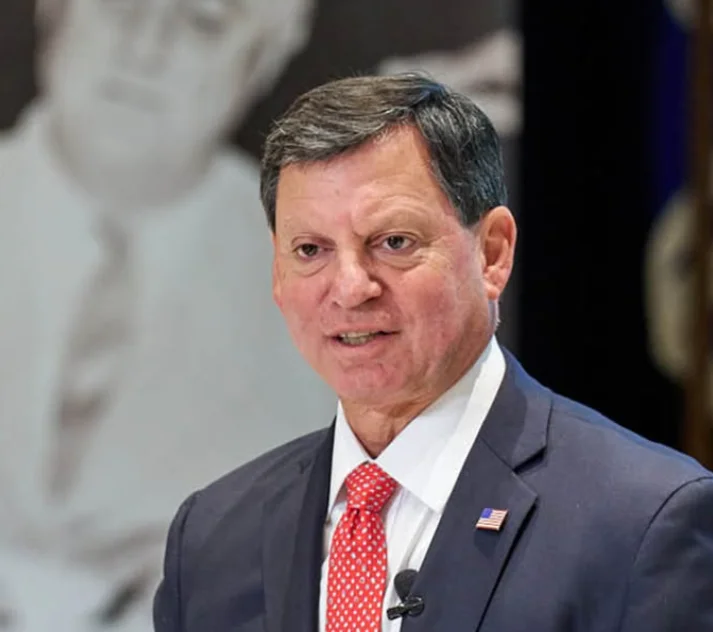
In a bold announcement during his appearance on CNBC’s “Squawk Box,” Frank Bisignano, Commissioner of the Social Security Administration (SSA), expressed a strikingly optimistic outlook on the future of Social Security. Established in 1935, Bisignano predicts that the program will not only endure but will continue to provide benefits for another 90 years. “This is a long journey. It’s 90 years old. It’ll be around for another 90 years,” he stated emphatically. He underscored the commitment of the administration under the current presidency to maintain and preserve the program for future generations.
While Bisignano's comments radiate confidence, they stand in stark contrast to recent reports suggesting a looming crisis for the social safety net. These reports estimate that the Old-Age and Survivors Insurance Trust Fund, which provides benefits to retirees and survivors of deceased workers, may face depletion by late 2032. According to analysts, if the fund is exhausted, beneficiaries could see cuts of up to 26%, equating to roughly $550 less per month for many of the 70 million recipients dependent on Social Security.

Understanding the Financial Landscape
Currently, Social Security is funded primarily through dedicated payroll taxes, along with additional income sourced from taxation on benefits. The program operates under strict legal constraints, only able to pay out benefits that match or are below its income. This means that should its trust fund reserves run dry, automatic reductions in benefits would follow, creating potential hardship for millions of Americans.

Historically, in the last 16 years, Social Security has drawn more money from its trust funds than it has collected in revenue, resulting in significant financial strains. Bisignano did not provide specific reasons for his optimism during the interview, but he did note that operational improvements and recent initiatives during the previous administration had begun to address these issues. “You will always fix the operations of business to actually understand what the financial outcome for the business is, and we’re still in the midst of fixing it,” he said, suggesting that steps are being taken to stabilize the program’s financial health.

What Does This Mean for Beneficiaries?
The skepticism surrounding Bisignano's predictions can likely be attributed to the potential ramifications for the approximately 63 million Americans who could be directly affected should the trust fund be depleted. A 26% reduction in benefits could dramatically alter the financial landscape for many households that rely on Social Security as their primary source of income. Considering that one in five Americans stands to be impacted, the implications of Bisignano's remarks may serve to reassure or confuse current and future beneficiaries.

Moreover, the current discourse emphasizes a critical juncture for policymakers to consider effective and sustainable solutions. Experts project that rectifying the impending shortfall would require substantial adjustments, including an immediate payroll tax increase of approximately 3.65 percentage points for both employees and employers, elevating the combined rate to 16.05%. Such actions are not only politically sensitive but also suggest profound changes in how Social Security could be funded.
Looking Ahead: Navigating the Challenges
There are several implications for small businesses and taxpayers associated with Bisignano’s predictions and the broader financial health of Social Security. Business owners must remain cognizant of how proposed tax increases might affect their payroll models and overall financial planning. Increased payroll taxes could lead to higher operating costs, which might necessitate adjustments in hiring practices, employee wages, or pricing strategies.

For entrepreneurs, understanding the intricacies of Social Security is vital as they plan for workforce implications and employee retention strategies. If benefits are cut, it may lead to decreased employee satisfaction and morale, making it harder to attract and retain talent in competitive job markets. Small business owners often play a critical role in the labor market; therefore, staying informed about potential payroll tax changes will be essential in navigating the financial landscape ahead.
Ultimately, while Bisignano's assurances about the stability of Social Security may offer some comfort, the realities of funding challenges and potential cuts necessitate careful observation and proactive measures from all stakeholders, including private-sector leaders. The conversation surrounding Social Security is far from over, and it’s critical for entrepreneurs to actively engage with these dialogues as they evolve.

In summary, while the SSA Commissioner projects long-term stability for Social Security, significant challenges remain. Stakeholders must prepare for an evolving landscape that could have far-reaching consequences for employees, business owners, and the future of the American workforce.