Effective post-sales follow-up not only enhances customer loyalty but also drives additional sales opportunities and referrals for businesses.
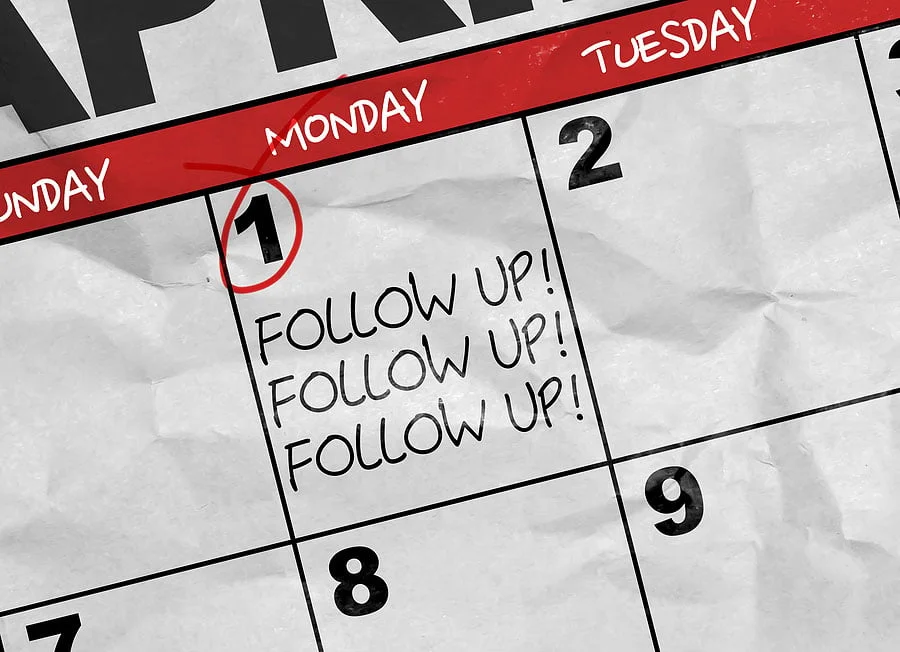
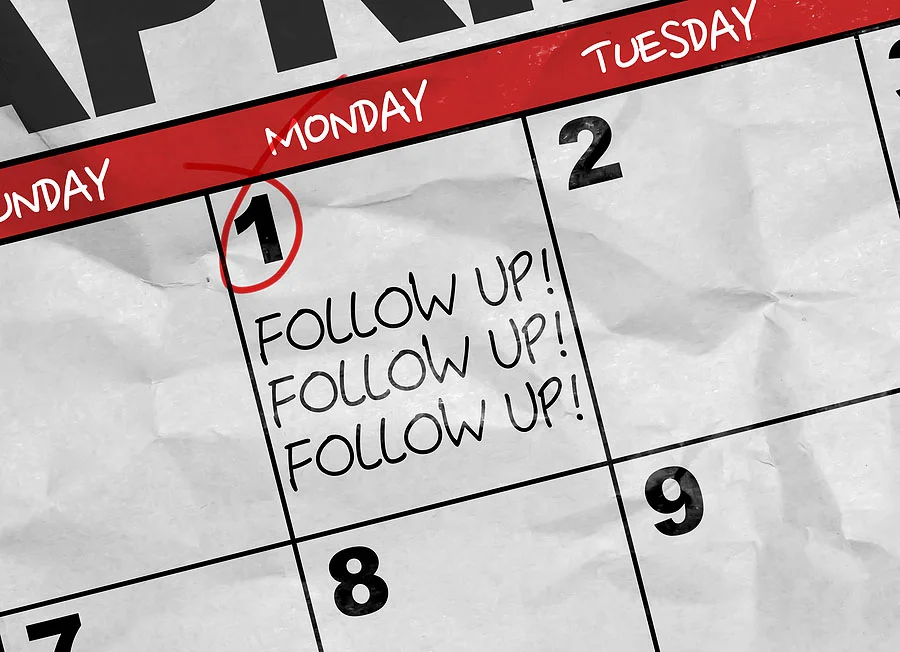
Many sales professionals struggle with the concept of after-sales service and follow-up, primarily due to a perceived lack of return on investment. The common misconception is that once a sale is closed and commissions earned, further engagement feels unnecessary. However, this approach can severely limit a business's growth and customer loyalty.
At MTD Sales Training, we emphasize that follow-up is vital, supported by numerous sales follow-up statistics that demonstrate its effectiveness.
Understanding Post-Sales Follow-Up
Shifting focus solely from selling, post-sales follow-up is fundamentally about maintaining a relationship. It reflects care and respect for the customer, creating a more meaningful connection. Think about your experiences: how does it feel when a salesperson vanishes after the sale? It can lead to dissatisfaction and reduced loyalty.
Follow-up doesn’t require bending over backward for every customer request, but it does entail providing ongoing value. Consider these three basic steps:
1. Continue to sell
2. Make yourself available
3. Become a liaison for everything
Continue to Sell
It's essential to maintain enthusiasm for your product or service after closing the sale. Too often, salespeople cease to "sell" after a purchase is made, which can lead to buyer’s remorse among customers.
The initial excitement that drove the sale can quickly diminish if customers begin doubting their decision. They might hear conflicting opinions from their peers or develop second thoughts once the sale is finalized.
Rather than ceasing communication, you should seize the opportunity to reinforce the customer’s decision to purchase. Remaining engaged helps relieve potential doubts while also enhancing your professionalism. It shows that your commitment to customer satisfaction goes beyond the initial sale, which builds trust and opens doors for further discussions about their needs.
Depending on your offerings, maintaining an ongoing conversation with customers can be straightforward or intricate. Here are examples of ways to continue selling after the sale:
A. A salesperson for security systems might visit the client two weeks post-sale, bringing relevant articles about local crime trends, thereby reinforcing the importance of their purchase.
B. A car salesperson could follow up with a card stating their vehicle won a recent safety award, accompanied by a note that the market demand for that model has increased.
Develop three to five ways to keep reinforcing value post-purchase and monitor these interactions over the months or years. This practice not only strengthens relationships but also positions you as an industry expert.
Benchmark Your Sales Skills & Competencies For FREE!
Receive a 19-page personalized report on your selling skills and recommendations for improvement.


Make Yourself Available
Let your customers know they can reach you easily. This may include occasional check-in calls or letters that reinforce your availability. These touchpoints shouldn't focus exclusively on sales but rather serve as a means to nurture the relationship.
Establish three to five ways to convey your availability without overwhelming customers with sales inquiries. This maintenance is vital for ongoing engagement.
Become a Liaison for Everything
Another effective strategy is to position yourself as a resource for your customers. By becoming a go-to contact for various needs—not limited to just your product or service—you enhance your value in their eyes.
For instance, if you sell executive training services and your client needs help finding a new car, even if you don't sell vehicles, you could connect them with a trusted dealership in your network. This positions you as a versatile resource rather than just a salesperson.
Using this networking capability, you not only foster goodwill but can also establish diverse revenue streams through referrals. Make an effort to communicate that your clients should feel comfortable reaching out for anything they may need.
Developing a Follow-Up Process
Are your follow-ups structured or haphazard? It's crucial to have a clearly defined follow-up strategy as part of your sales process. Many sales funnels simply conclude at the sale, neglecting the vital post-sales phase.
I often encounter varied approaches in my coaching sessions; some salespeople follow up meticulously while others merely leave it to chance. Your follow-ups should be systematic, planned, and consistent.
How often do you reach out to your customers? Do you prefer face-to-face visits, calls, or emails? Keep records of these interactions and evaluate your follow-up success regularly. Consider whether your customers are included in ongoing engagement, such as an email campaign.
Moreover, if you have a subscription or renewal service, contacting customers solely for renewal notices is detrimental. It sends the message that your business is only interested in monetary gains. Instead, strive to build a rapport where customers think of you as a partner and resource.
Ultimately, when you achieve a point where customers reach out for assistance unrelated to their purchases, you know you’ve been successful in building trust.
To maintain that status and continue nurturing those relationships, consistently engage with your customers. Stay front of mind and continue offering value to ensure they remain loyal amidst competitive alternatives.
For further assistance in honing your customer management skills, consider our Account Management Training or Selling Skills Training courses. Our comprehensive offerings can guide you in leveraging relationships while avoiding overwhelming your clients.
Happy Selling!
Sean McPheat

Sean McPheat
Managing Director
MTD Sales Training
The post Post Sales Follow Up & Managing The Account appeared first on MTD Sales Training.


