Learn how to set impactful sales targets that push boundaries, enhance motivation, and drive results within your sales team.


Successful salespeople always have a sales target, whether assigned by a manager or self-imposed. The lure of commissions and bonuses often motivates sales teams to meet and exceed these targets. In this article, we will explore the importance of setting effective sales targets, how to establish them, and the principles behind successful goal-setting strategies.
Understanding the Importance of Sales Targets
Sales targets are fundamental to a productive sales career. While other professions may reward longevity and steady performance, sales requires a consistent demonstration of high performance. Sales goals drive individual effort, pushing salespeople to continually aim higher. So, how should sales goals be established?
Distinguishing Between Sales Targets and Sales Needs
The first step in setting sales targets is understanding the difference between needs and targets. Needs are simply the minimum requirements—like meeting basic living expenses through sales. However, when sales goals are set solely to meet these needs, they do not inspire or motivate. Instead, they limit potential. Goals should be aspirational and designed to push performance beyond the basics. Aim to set targets that challenge you to grow and improve, as achieving them can facilitate covering those basic needs and lead to greater success overall.
Principles of Effective Goal Setting
Traditional goal setting teaches us several standards that effective goals should meet:
- The goal should stretch your capabilities and exceed current performance levels.
- It must be believable; you need to trust in your potential to achieve it.
- Goals must be specific and well-defined.
- They should have a clear deadline.
- Documenting goals is crucial for tracking progress.
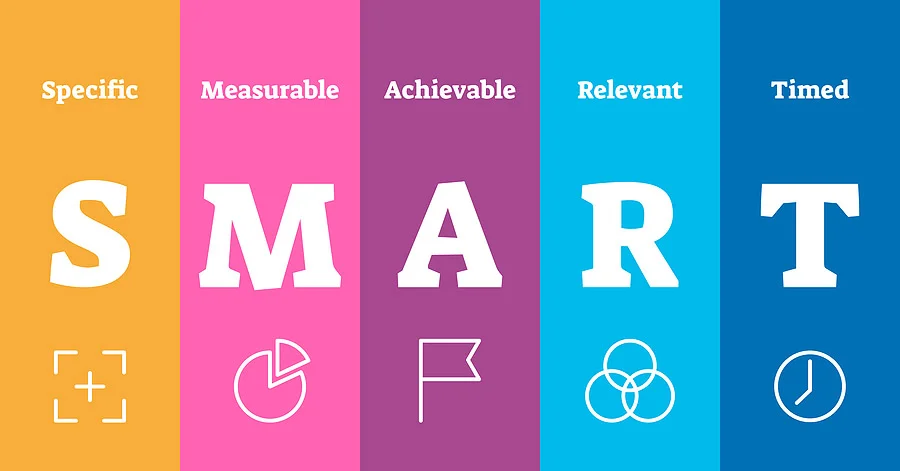
Commonly known as the SMART criteria (Specific, Measurable, Achievable, Relevant, Time-bound), this framework can significantly boost your sales achievements.
User-Friendly Strategies for Sales Targets
In applying the SMART approach to sales target setting, emphasize the following:
- Goals should exceed the normal performance expectations within your organization.
- Visualizing the goal is key: if you can see it, you can achieve it.
- Your goals should be detailed and broken down into actionable steps.
- Establish incremental milestones throughout your objectives.
- Document your targets and techniques visually, making them tangible.
- Regularly reading and reaffirming your goals can reinforce commitment.
Properly set sales goals can propel a sales career to new heights while poorly chosen ones can hinder progress. Therefore, ensuring that each target stretches capabilities is vital.
The Balance of Setting Realistic and Ambitious Goals
Finding the balance between ambitious and realistic goals can be tricky. If goals are set too high, they can demotivate; too low, and they won't encourage improvement. A constructive strategy is to identify "failure points", areas where past efforts fell short. Then set goals aiming just beyond these, pushing yourself yet keeping realism in mind.
For instance, if a high jumper consistently clears heights up to seven feet and fails at seven feet four inches, setting a target for eight feet may not be reasonable. Instead, the next step would be striving to clear seven feet four inches first. This incrementally approaches long-term ambitions while fostering a sense of accomplishment.
Short-Term Goal Strategies
Setting short-term, incremental goals allows for continuous motivation and achievable successes. Consider aiming for just one more unit sold than last quarter or improving your ranking in a sales contest. This approach keeps goals manageable while enhancing performance over time. Identify practical, next-step objectives to create a clear pathway to success.
Conclusion and Action Steps
In summary, sales target setting is an essential function for driving sales performance. By distinguishing needs from objectives, employing the SMART methodology, and balancing ambition with realism, sales professionals can set themselves up for success. As you establish your goals, remember to track your progress, adjust as necessary, and celebrate your achievements along the way.
Implement these strategies, and view them as not just targets, but as instrumental in propelling your sales career forward.
Benchmark Your Sales Skills & Competencies For FREE!
Receive a 19-page personalized report on the findings
Get an analysis of how you sell along with
some recommendations on how to improve


The potential for improved performance is within reach; target your efforts wisely to achieve measurable success.


