Customer churn can significantly impact your business. Identifying the reasons customers leave is essential for retention and long-term success.
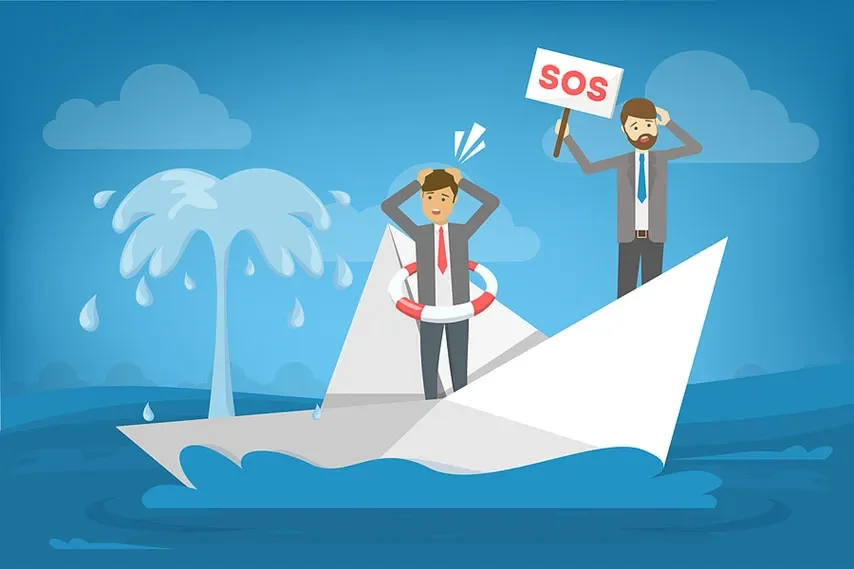

Have you tracked how many customers you've lost in the past year or two? It’s crucial to not only know the exact number but to understand the reasons behind their departure. Often, customers don’t stop purchasing altogether; they simply switch to competitors. This shift can be costly, as any decline in customer loyalty usually translates to lost revenue and growth opportunities.
Here’s the reality: many business owners and salespeople are aware of why they are losing clients, yet they neglect to address these issues. A crucial element of keeping customers is fostering solid relationships with them. If such relationships don’t exist, the likelihood of customers leaving without explanation increases significantly.
Common Reasons for Customer Defections
Understanding the underlying factors that lead to customer disengagement can help businesses implement effective retention strategies. Here are some of the main reasons customers leave:
- Lack of Genuine Care and Personal Attention. Customers value feeling important. A prominent reason they switch suppliers is feeling undervalued. They might overlook minor service issues if they receive personal attention and care. Businesses need to adopt a strong account management strategy that prioritizes customer relationships and acknowledges individual needs. Failing to demonstrate genuine care could push customers into the arms of more attentive competitors.
- Difficulty in Conducting Business. If doing business with your company feels like navigating a labyrinth—whether through complex terms and conditions, poor accessibility to customer service representatives, or cumbersome processes—clients quickly become frustrated. They want simplicity and ease in their transactions. This frustration often prompts them to seek out competitors with more straightforward processes. Streamlining sales and service processes shows customers that their time and convenience matter.
- Unfriendly Service Personnel. Customer service interactions set the tone for the entire business relationship. It’s surprising how many companies have unfriendly employees at the forefront of customer service. While everyone can have an off day, it’s essential for staff to remember they're representing the company and interacting with paying clients. Those who lack the patience or courtesy to assist customers can drive them away. A positive experience is often tied to the attitude of the people on the front lines.
- Inflexibility in Operations. When companies blame their internal processes for poor service, it can create a perception that they prioritize systems over customers. Apologies for delays and service issues often fall flat if there's no evident effort to improve these processes. Customers are unlikely to accept subpar service due to outdated systems; they will instead seek out businesses that prioritize customer experience. Therefore, investing in effective operations and modern systems is critical to maintaining customer satisfaction.
- Inconsistent Communication. Regular, clear communication is vital in retaining customers. Inconsistency can breed uncertainty, causing clients to feel disconnected from your brand. If clients don't know how and when to reach you, or if they don't receive timely updates, their engagement will wane. Establishing a structured communication plan ensures customers always feel informed and valued.
- Inadequate Customer Feedback Mechanisms. A significant mistake businesses make is failing to actively solicit and act on customer feedback. If customers feel their concerns, suggestions, or complaints are ignored, they're likely to move on. Implementing regular feedback collection methods and visibly acting upon the insights gathered fosters loyalty and trust. When customers see their opinions valued, they are more likely to stay.
- Quality Control Issues. Product quality plays an enormous role in customer retention. Frequent issues with quality or defects can drive a wedge between companies and their customers. Businesses must prioritize quality control and continuously seek improvements. Customers want to know what they’re buying is reliable and worth their investment.
- Failure to Adapt to Customer Needs. Markets change, and so do customer needs and preferences. Companies that resist adapting may find themselves losing clients to those who are more attuned to evolving expectations. Keeping a pulse on trends and market shifts can provide businesses with insights necessary for staying relevant.
Understanding these drivers of customer churn is vital for any business seeking to establish long-term growth. It’s an opportunity for companies to implement strategic improvements and foster deeper relationships with their clients. By prioritizing customer care, enhancing operational simplicity, and actively addressing client needs, businesses not only reduce attrition but also build a more loyal customer base.

The post Understanding Customer Churn: Key Reasons Companies Lose Clients appeared first on MTD Sales Training.


