Discover effective strategies to handle rejection in sales, enabling you to maintain confidence and improve your performance with every ‘No.’

A salesperson's fear of rejection can be paralyzing, much like a lifeguard with a fear of water. Constantly receiving "No" after "No" can foster negativity, particularly when making cold calls or asking for sales. This emotional hurdle is a reality for many in sales and can impede success. Understanding how to effectively navigate rejection is vital for sales professionals aiming to thrive in their roles.

Understanding Rejection in Sales
The fear of rejection is a well-known psychological barrier that can hinder a salesperson's performance. It's a natural human reaction, yet as someone in sales, you cannot afford to let it dictate your performance. Overcoming rejection is an essential part of the job, akin to a surgeon overcoming the sight of blood.

Embracing the Fear
The fear of rejection often stems from financial concerns, especially if you're working on commission. The potential for significant income loss creates a heightened sense of risk. It's not merely about losing money; there's a larger stake involved, such as security for your basic needs or lifestyle. When so much rides on each sale, fear becomes a powerful opponent in your sales approach.

Reframing the Situation
To manage your fear, start by putting the situation into perspective. Consider the true stakes involved when you ask for a sale. Rather than viewing each rejection as a lost opportunity for a £1,000 commission, recognize it as a series of smaller chances. For instance, if you close only 20% of leads, each attempt could equate to an expected return of just £200. Thus, rather than saying you lost £1,000 with a "No," understand that you've just lost £200, which puts things in a different light.

A New Perspective on Income
Consider the mechanics of your sales process: if you earn £200 per closing attempt, it becomes clear that every rejected attempt still leads to earnings. This perspective can help alleviate the emotional burden associated with rejection. You must see that each interaction has inherent value, regardless of its outcome.
Effective Strategies for Handling Rejection
Rejection can evoke debilitating emotions. However, it is possible to overcome them with certain strategies:

- Identify Worst-Case Scenarios: Taking a moment to assess what the worst possible outcome is can demystify your fears. Even if an interaction goes poorly, you will still be fine. This awareness can allow you to confront your anxiety head-on.
- Challenge Your Fears: Recognize that fears often exacerbate perceived outcomes. Proper preparation can mitigate the likelihood of failure. Acknowledging that missing targets is a part of the process can soothe feelings of inadequacy.
- Forget Perfection: Shift your focus from perfection to progress. Expecting to excel in every interaction can lead to unnecessary stress. Understand that setbacks and off days are a normal part of life.
- Prioritize Well-Being: Sleep, nutrition, and exercise are key to maintaining balance. Self-care practices can enhance your ability to deal with stress, moving you away from unhealthy coping mechanisms.
- Reward Yourself: After you overcome a particularly challenging interaction, treat yourself. This creates a positive reinforcement association with facing fear.
For persistent rejection-related anxieties, Cognitive Behavioral Therapy (CBT) offers techniques that aid in overcoming fears by directly confronting them in a safe manner, helping to reshape negative thought patterns.

Brian Tracy's Rejection Methodology
Sales training expert Brian Tracy offers a straightforward formula for handling rejection: SW, SW, SW, SW.
- Some Will: Recognize that some prospects will indeed say yes. The key is to find those who align with your offering.
- Some Won't: Understand that some leads won't be ready to buy or may not be a fit. That's a natural part of the process.
- So What?: When faced with rejection, adopt an attitude of resilience. Tomorrow is another chance, and each rejection is just a step on your journey.
- Someone Is Waiting: Focus on the potential customers who are eager to hear from you; they are out there, just waiting for the right moment.
Building Resilience Against Rejection
Maintaining a high level of confidence in the wake of rejection is crucial. Stay educated about sales techniques and keep your mindset positive to ensure your mental state isn’t impeded by the ups and downs of sales.
Engaging with motivational resources like audiobooks, training videos, or sales blogs, such as those found on MTD Sales Training, helps reinforce your resilience and keeps you focused on growth.
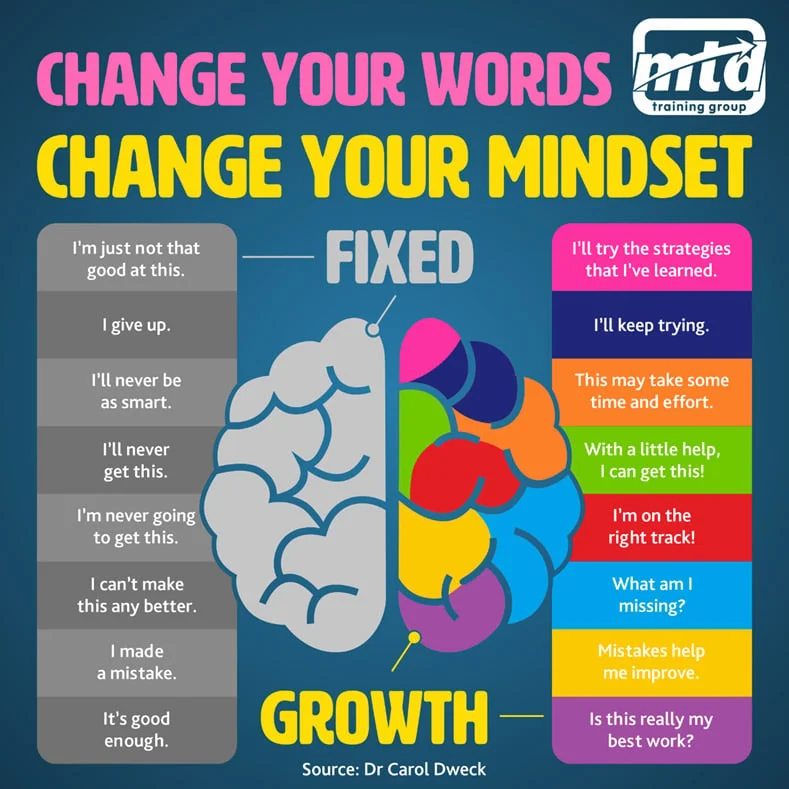
Practicing positive self-talk is also vital. Instead of falling victim to negative thoughts, challenge them. If you catch yourself thinking, "I give up," reframe it to, "I’ll keep trying." Transforming these internal dialogues can make a significant difference in your response to rejection.
Conclusion
Every salesperson grapples with rejection. The ability to cope with it significantly impacts your success. By implementing these strategies and maintaining an understanding mindset, you can improve your resilience, enhance your sales performance, and ultimately continue to move forward in your career with confidence. Remember, each rejection brings you one step closer to the next 'Yes.' Happy Selling!