Crafting a comprehensive sales plan is essential for aligning goals and driving success. This guide provides actionable strategies and real-world examples for developing your own.

Understanding the Sales Plan
A sales plan serves as a strategic framework outlining the methodologies, milestones, responsibilities, and timelines necessary for achieving specific sales objectives. It also includes insights regarding target markets and potential challenges faced by sales teams in pursuit of their goals.

This document is dynamic, meaning it can be adjusted quarterly or annually to adapt to changing market conditions. Typically, it spans a one-year timeframe and acts as a tactical extension of your Business Plan, translating high-level strategies into actionable sales initiatives.
For a successful sales approach, it's critical to not just dwell on past challenges but to acknowledge current strengths and opportunities. As emphasized by thought leaders, effective sales leaders continuously evaluate their positions and outlines a clear path toward future success.
Benefits of a Sales Plan
The establishment of a sales plan is not just a ceremonial exercise; it significantly benefits your sales team by honing in on the activities required to achieve defined goals. Without it, stagnation, underperformance, or decline in sales is likely. The plan also fosters a disciplined sales approach, making corporate responsibility more tangible.

Here are key advantages of constructing a well-defined sales plan:
- Ensures alignment between sales goals and broader business objectives.
- Establishes clear roles within the sales team, detailing each member's contributions towards sales targets.
- Sets measurable KPIs to evaluate team performance in relation to business goals.
- Creates a timeline of milestones that accounts for seasonal variations in sales.
- Promotes unity within the sales division, ensuring everyone is driving toward the same objectives.
The Sales Planning Process
Creating a functional sales plan involves collaboration among various stakeholders within and outside the sales department. It must align with overall corporate strategies and resource allocations, which often require approval from senior management.
1. Analyze Corporate Strategy
Understand how your sales plan fits into the company’s overarching vision. Are there shifts in target demographics, product lines, or sustainability initiatives? Engaging with department heads—especially marketing—will help you clarify your company's mission and strategic direction, which is vital for tailoring your sales tactics accordingly.

2. Audit Existing Sales Strategies
Evaluate any pre-existing sales plans or practices. Engage in conversations with sales representatives, from entry-level to management, to uncover insights about obstacles and strengths. Utilize sales data to identify performance trends and examine budget outcomes in relation to sales achievements.
3. Engage with Customers
Solicit feedback from your customers. This can be achieved through surveys and focus groups that reveal their experiences with your product. You might also utilize sentiment analysis tools to gauge opinions expressed online, offering insights into preferences and areas for improvement.
4. Market Analysis
Conduct a thorough examination of the competitive landscape. Analyze industry statistics, competitor actions, recent trends, and mistakes you can learn from. Determine the unique selling propositions that differentiate your products, which should be central to your sales messaging.

5. Define Objectives and Targets
Use your research findings to set broad mission statements that encapsulate top-level sales objectives. Consider SMART criteria to ensure the goals are Specific, Measurable, Agreed-upon, Realistic, and Time-limited. For example, aims could include launching a new product with a set sales target or achieving annual growth within a specified time frame.
6. Success Metrics
Choose key performance indicators to measure success against your targets. Do you want to track new customer acquisition, revenue growth, or customer retention? Ensure that any metrics reflect what your sales strategy prioritizes.
7. Identify Resources and Budget
Determine the resources necessary for your sales plan and allocate budget accordingly. Key considerations might include technology tools, office space, training expenses, and commission structures. Make sure the budget reflects the strategy and anticipated growth areas of your operation.
8. Develop Strategies with Input from Sales Leads
Create specific strategies in consultation with your sales leadership team, utilizing a collaborative approach that makes the most of your resources. Outline agreed-upon tactics, such as cold calling or email campaigns, while allowing flexibility in execution.
9. Create Playbooks and Sales Scripts
Design playbooks and sales scripts, vital components to ensure consistency across the sales force. Playbooks should outline necessary actions comprehensively, while scripts provide templates for interactions tailored to different customer scenarios.
10. Finalize the Plan
After consultations and drafts, compile your sales plan for final approval. Circulate the draft among key stakeholders for feedback, making necessary edits to ensure clarity and impact. Aim for a document that effectively serves the sales team’s goals.

Elements of a Comprehensive Sales Plan
A well-structured sales plan should include the following crucial elements:
Target Customers
Categorize your ideal customers using detailed personas, identifying demographics and the challenges they face that your products can solve.
Revenue or Acquisition Targets
Define specific financial goals for each team along with measurable acquisition targets, ensuring they conform to the SMART guidelines.

Pricing and Promotions
Guide your sales team on acceptable pricing ranges, current promotions, and discount limitations to maintain consistency and competitiveness.
Sales Tactics
Detail permitted sales strategies and tactics, ensuring clarity on effective methods and what is off-limits to maintain brand integrity.
Deadlines and Reporting
Incorporate clear due dates for achieving objectives and establish accountability protocols for reporting progress.

Team Structure
Include an organizational outline that clarifies roles within your sales team and interaction lines with other departments.
Resources
Specify the technology stack, tools, and materials that your sales team will utilize, along with training provisions.
Market Conditions and Competitors
Provide an overview of market trends, competitive intelligence, and a SWOT analysis to keep the team informed and agile.
Steps to Writing an Effective Sales Plan
When drafting your sales plan, start with a structured outline that includes:
1. Mission and Context
First, describe the context that prompted the creation of the plan, stating the goals and the anticipated impact within the organization.
2. Team Responsibilities
Introduce key stakeholders responsible for executing the plan, including their roles and contact information.
3. Market and Buyer Personas
Clearly define which segments your products will address and provide examples of typical customer profiles.
4. Tech Stack and Resources
Outline required technological tools and resources, clarifying training that will accompany them.
5. Market Positioning
Position your brand within the competitive landscape, identifying key differentiators and unique selling propositions.
6. Prospecting and Sales Strategy
Detail how your team should approach prospects, specifying pricing strategies and techniques for guiding customers through the sales funnel.
7. Targets and Goals
Set detailed targets for each time period, making sure they remain SMART and aligned with the overall strategy.
8. Sales Budget
Provide a comprehensive budget breakdown that covers all necessary expenses associated with achieving your sales goals.

9. Closing Statement
Conclude with an inspiring message or quote that reinforces the importance of teamwork and motivates the sales team toward achieving their objectives.
Examples of Sales Plans
Consider a variety of sales planning templates that offer helpful frameworks for structuring your own plan:
1. Venngage’s Online Sales Planner
This interactive tool allows for visual representations of sales strategies through charts and planners categorized by divisions and products.
2. 30-60-90 Day Sales Plan from Template.net
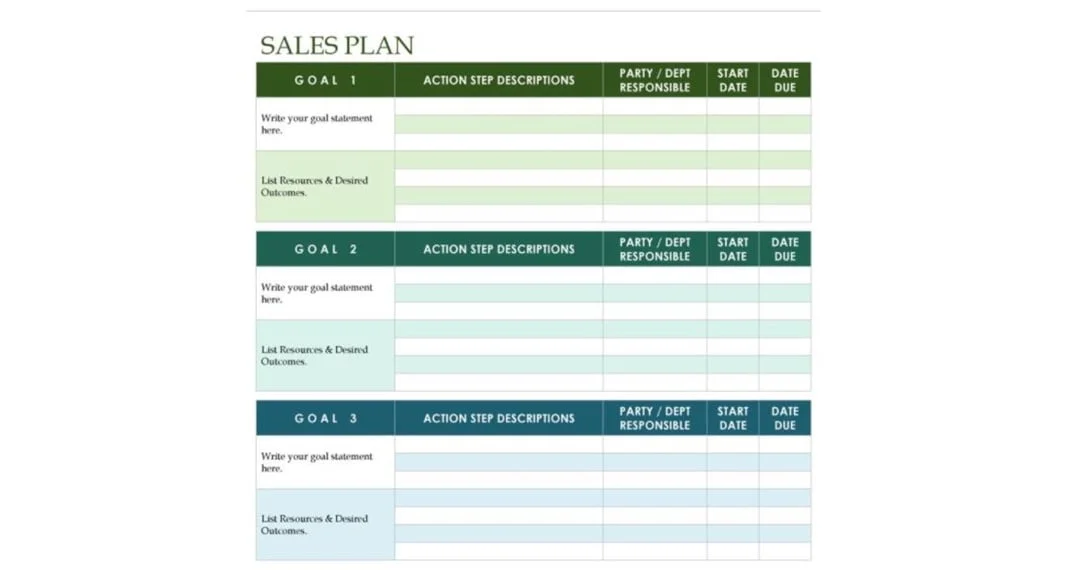
A traditional reporting style plan focusing on short-term objectives, suitable for regular updates and adaptations.
3. TemplateLab’s One Page Sales Plans
A succinct approach ideal for quick reference, which can supplement a more detailed sales strategy document.
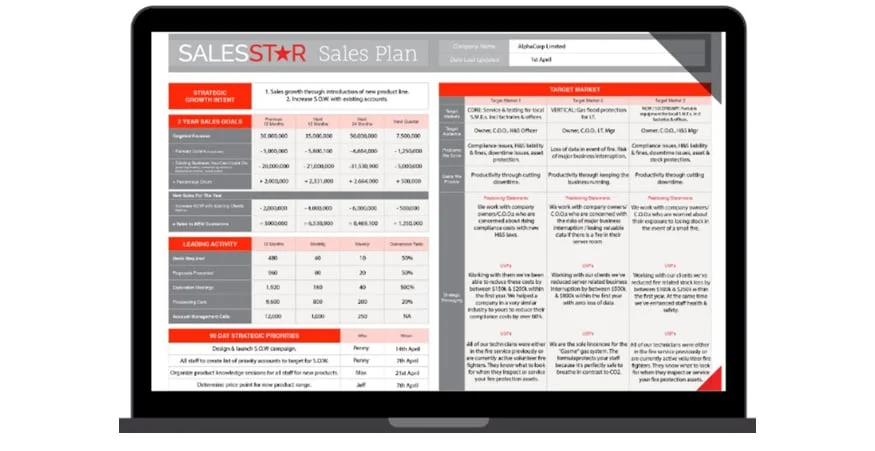
4. SalesStar’s One Page Plan
Offering a compact yet thorough layout, this resource includes elements essential for effective sales planning.
Ultimately, while there are many templates available, creating a custom sales plan tailored to your organization’s specifics will lead to greater operational efficiency and effectiveness.
For more in-depth insights and strategies, consider exploring additional resources on sales management training, adaptable to unique business contexts.


