Recognizing the difference between customer needs and wants is crucial for effective sales strategies. This article delves into how to identify and leverage both.

Understanding the distinction between customer needs and wants is essential for any successful sales strategy. While many assume these terms are interchangeable, they play different roles in the purchasing process, and grasping their differences can significantly enhance the effectiveness of your sales approach.

Defining Needs and Wants
To start, think of needs as the essentials for survival—those non-negotiable elements a customer must have to be satisfied. On the other hand, wants encompass the desires that add value or pleasure to a purchase. For instance, everyone needs basic nutrition to thrive; however, cravings for a gourmet meal stem from a want to enjoy flavors or impress others.
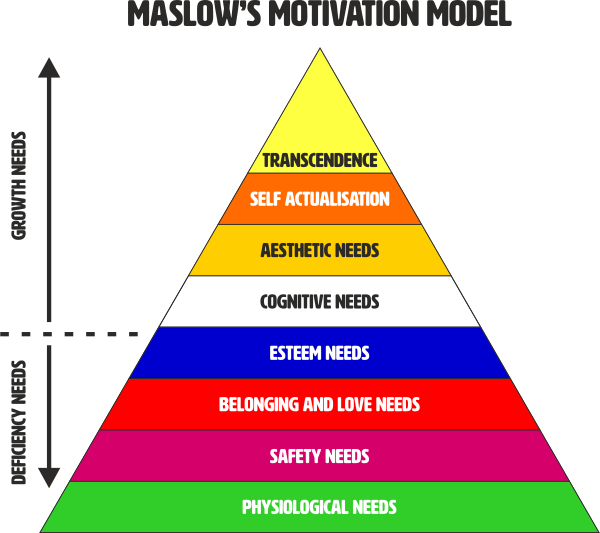
This distinction is best illustrated by considering Maslow's hierarchy of needs, which categorizes human necessities into a pyramid structure. At the base lie physiological necessities followed by psychological and self-fulfillment needs. When applied to sales, recognizing the levels of needs can guide how products or services are marketed.

Customer Needs
Think of customer needs as the MUST-HAVE-DO-OR-DIE items—those that cannot be compromised. Recognizing and addressing these criteria should be your foremost goal while selling, as they form the foundation of any successful transaction.
For example, when a customer expresses interest in purchasing a vehicle, the specifics given can shed light on their essential requirements:
- Four Doors: A necessity for a family.
- Bluetooth Connectivity: Important for a tech-savvy lifestyle.
- Fuel Efficiency: Critical for long commutes.
Features like sporty performance, heated seats, or wireless chargers may enhance satisfaction but are categorized as 'wants'—items that can be negotiated at a later stage in the sales process. Salespeople should prioritize fulfilling those must-have features to ensure customer satisfaction.
Types of Customer Needs
Identifying various types of needs can help tailor your offerings more precisely. Here are some categories frequently cited by customers:

- Functionality and Fit: The product or service must effectively meet the customer’s requirements—be it a family car or a tech gadget.
- Price: Customers often have a budget, but they may stretch that if they perceive high value. Understanding price expectations is critical.
- Design and Experience: A product's aesthetics can greatly influence consumer choice, aligning with their personal values.
- Reliability and Performance: Consumers value products that consistently deliver on their promises, whether it’s a car, a laptop, or any other purchase.
- Empathy: Service quality that reflects an understanding of the customer’s needs enhances their experience.
- Openness and Fairness: In service contracts, fairness and transparency garner customer trust.
- Options: Customer desire for customizable solutions can elevate satisfaction.
- Information and Accessibility: Ensuring information is readily available is critical for good customer service. Accessible platforms that provide straightforward guidance can prevent confusion.
Customer Wants
Wants, in contrast, represent the additional features or attributes that enhance a product or service but aren’t essential for satisfaction. Conducting active listening during sales interactions can help gauge these preferences.
For instance, a customer may express a desire for additional features but states them as negotiables:

- Video-enabled Parking Aid: While convenient, this feature is not vital for function, making it a want rather than a need.
Types of Customer Wants
Understanding the various wants can further refine selling strategies. Here’s a breakdown:
- Prestige Brands: Many customers favor well-known brands due to perceived status and quality.
- Beauty: Aesthetics are important for many consumers, influencing their choices creatively and emotionally.
- Add-Ons: Bundled features can entice purchasers who may consider additional conveniences beneficial.
- Simplicity: Products or services that are easy to understand and use appeal to customers seeking minimal hassle.
- Creativity: Unique design features can draw attention from customers interested in novelty and innovation.
Uncovering the Customer’s Needs and Wants
To effectively navigate customer decisions, salespeople must recognize that purchasing is more than fulfilling a basic need—it involves catering to emotional desires as well. A customer’s choice of vehicle may reflect their status, lifestyle, and personal values, rather than just its ability to transport them from point A to B.

This insight suggests that when interacting with customers, it’s important to prioritize questions that reveal their motivations and preferences. Employing a consultative sales approach allows for a two-way conversation rather than a simple pitch, fostering a connection that can lead to a successful sale.
Effective Listening and Questioning
How do you unlock the depth of customer needs and wants? The quality of questioning and listening is paramount. By employing a consultative sales strategy, you can gather valuable insights about why customers seek certain products:

- What features are most important to them?
- What past experiences have influenced their preferences?
- What do they hope to achieve through this purchase?
Paying close attention to their responses will not only clarify their needs but also address any objections they might have based on previous purchasing experiences.
For example, a customer may say:

“I don’t want the extended warranty because I’ve never used one before.”
This response indicates a past experience driving their current perception; pushing the warranty would likely feel disingenuous and could diminish trust.

Key Takeaway: Personalization is Vital
The essence of successful selling lies in personalization. Sales professionals should align their pitches to highlight the points most relevant to the customer’s unique needs and wants. As with healthcare, accurate diagnosis comes before prescribing solutions.
Creating a dialogue where customers feel their needs are understood can lead to increased sales. Remember, your role isn’t just to sell; it’s to facilitate a process where customers feel supported in their decision-making.
Conclusion
Identifying customer needs and wants is central to effective selling. By mastering the art of active listening and tailored questioning, you can discover what truly matters to your customers, allowing you to cultivate deeper relationships and drive sales growth. Through this thoughtful approach, customers will not only feel understood but will also be eager to engage in the purchasing process.
For further insights, consider exploring comprehensive sales training options or assessments to hone your skills in meeting customer needs more effectively.


