Exploring whether people still buy from people today, this article assesses the importance of relationships versus value in the evolving sales landscape.
In the evolving landscape of sales, a central question remains: Is the personal connection still essential in buying decisions? As business dynamics shift, do customers prioritize relationships over the tangible benefits of products or services? Let’s analyze the interplay between human connection and transactional value.
The Sales Process – A Quick Recap
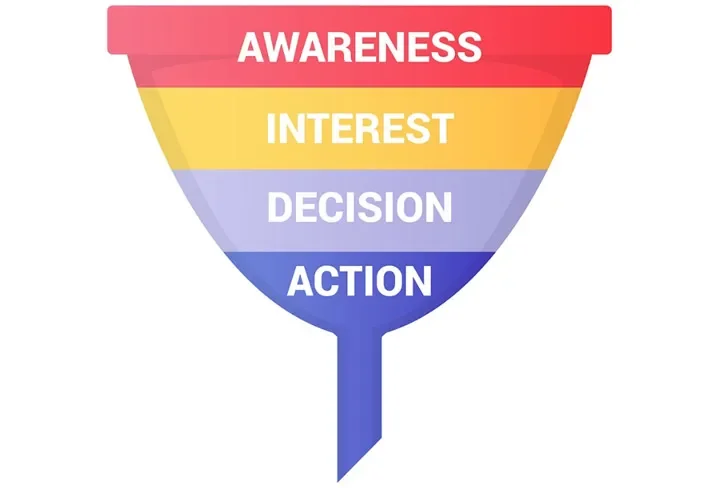
To understand the impact of personal relationships in sales, it’s crucial to acknowledge the traditional sales process. Commonly, it encompasses five fundamental steps:

- Prospecting and Lead Generation – Identify potential customers who might be interested in your offerings through methods like cold calling and social selling.
- Qualifying the Prospect – Assess if the potential customer is a good fit for the product or service.
- Building Rapport and Relationships – Establish a connection with the prospect, critical for fostering trust.
- Presenting the Solution – Demonstrate how your product or service addresses the prospect's needs.
- Closing the Sale – Finalize the deal by asking for the commitment.
The sales process is often depicted as linear, but it’s more accurately a spiral where every step may require revisiting earlier phases, particularly building rapport when there's a hiccup in closing the sale. Central to this spiral is the step of relationship building, where the notion that "people buy from people" gains significance. Yet, in an increasingly digital world, this age-old adage is under scrutiny.

What Does “People Buy People” Mean?
The phrase "people buy people" emphasizes the necessity of strong relationships in sales. It suggests that customers are more inclined to purchase from those they know, like, and trust. This belief stems from the idea that buying decisions are often driven by emotions first, followed by logical justifications.

For instance, two identical products in quality and price may be judged differently based on the relationship established with the seller. However, not every transaction necessitates a personal connection; in some cases, pricing and convenience rule the day.
People Buy People – The Case For
In making the case that "people buy people," we need to consider various pivotal points:

- Preference for Familiarity – Generally, individuals favor dealing with people they like. This comfort can often outweigh the attributes of the product itself.
- Trust Building – A recommendation from someone familiar tends to enhance trust.
- Understanding Customer Needs – Customers gravitate towards salespeople who demonstrate an understanding of their individual needs and can propose effective solutions.
- Sales Expertise – Skilled salespeople excel at reading people and adapting their approach accordingly, fostering stronger connections.
- Shared Values – People often prefer to interact with others they perceive as similar to themselves based on shared values, interests, or experiences.
While these points illustrate why personal connections matter, it’s also critical to acknowledge that customers are generally interested in value, and they don’t want to spend more just because they like a salesperson.

People Buy People – The Case Against
Conversely, the view that personal relationships are paramount in sales is being challenged. Consider the following:
- The Value Proposition – Buyers typically seek good deals. If the product offers significant value and is attractively priced, they may overlook the seller's likeability.
- Convenience Factor – In today’s fast-paced world, consumers prioritize purchasing simplicity and speed. If a company excels in these areas, personal rapport with a salesperson may become moot.
- The Digital Shift – The rise of e-commerce means that consumers can research and purchase products with minimal human interaction, which diminishes the power of personal connections.
- Expertise Over Charisma – Sales expertise can outweigh personal connection. Data suggests buyers might prefer knowledgeable salespeople, even if they lack a charming demeanor.
- Focus on Personalization – A study by American Express revealed that personalized customer experiences are valued highly, often more than interactions with friendly salespeople.
This emphasizes the changing dynamics of customer preferences, where accurately targeted offers can outweigh the influence of personability.
Do People Buy People?
The assessment of whether "people buy people" provides nuanced insights. While the axiom suggests individuals prefer buying from likable individuals, data indicates that value often takes precedence. Today’s tech-savvy consumers have access to vast information, allowing them to make informed decisions that aren't solely based on personal interactions.
This highlights a compelling duality: people can still make purchases from familiar faces while simultaneously prioritizing value. Successful businesses adopt a strategy that merges connection with value, allowing sales professionals to specialize in understanding customer desires while delivering exceptional offerings.
Providing Value in Sales
To thrive in sales, professionals must masterfully combine relationship-building with providing genuine value. Here are some key strategies to achieve this:
- Exceptional Products or Services – High-quality offerings are fundamental. Consumers are more likely to invest in products that meet and exceed their expectations.
- Relationship Development – Strive to develop strong connections with customers. Knowing them personally and showing genuine interest can foster loyalty.
- Memorable Experiences – Aim to deliver unique customer experiences that leave a lasting impression, thus enhancing loyalty and repeat purchase likelihood.
- Authenticity – Be real in all interactions. Authenticity leads to trust, which is a powerful currency in any sales transaction.
- Needs Orientation – Always ensure that you meet the expressed and latent needs of customers, aligning your offerings appropriately.
Changing the Definition
The definition of "people buying from people" must adapt to the modern era. Traditionally based on face-to-face interactions, today's interpretation incorporates digital engagements and enhanced customer experiences. Whether through social media interactions or highly personalized online shopping, businesses need to find new avenues of connection.
While personal relationships remain vital, the context in which they evolve—through technological advances and changing consumer behaviors—dictates how they should be leveraged for sales success. To remain relevant, companies must not only foster personal connections but also establish themselves as experts and providers of significant value in a rapidly changing environment.
As we step further into a digital age, sales methods may evolve, but the foundational principle of understanding customers remains key to success. Finding a balance between establishing personal connections while delivering value can help businesses thrive.