Discover 24 key sales KPIs that sales teams can utilize to track performance and align with strategic goals, enhancing overall effectiveness and decision-making.
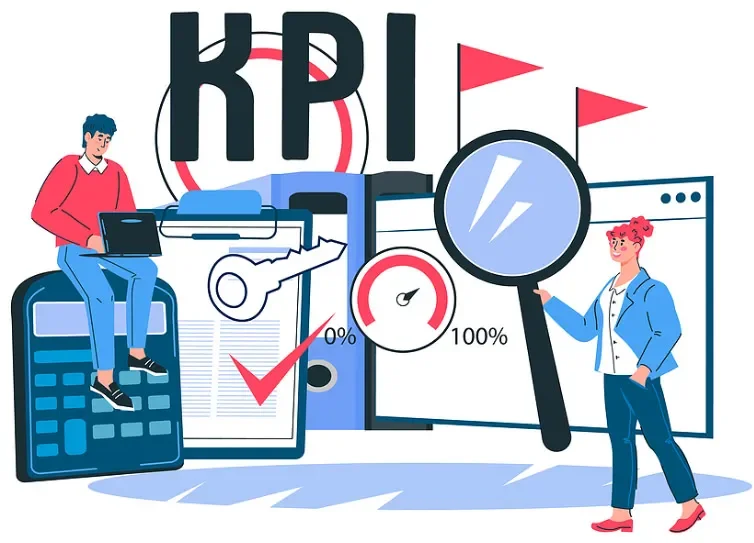
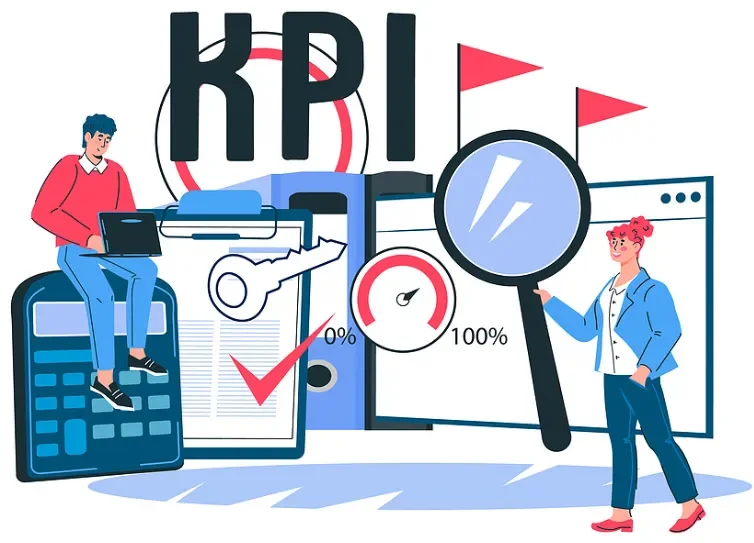
Sales teams, particularly sales directors and managers, often grapple with defining what success looks like. The various methods of measuring this success hinge on different Key Performance Indicators (KPIs) that can illustrate how well an individual representative, a team, or an entire department is performing. Moreover, tracking KPIs related to specific products may help isolate challenges in product performance versus sales techniques.

To navigate the complexities of sales performance measurement, this article presents 24 critical sales KPIs, detailing their definitions, applications, and interpretation methods.
Understanding Sales KPIs
Sales Key Performance Indicators are metrics that provide insights into the effectiveness of sales personnel or teams. These measures can be utilized by both sales representatives and management to monitor and evaluate performance against established targets. Many sales platforms, such as HubSpot and Salesforce, facilitate real-time tracking of these KPIs, enabling sales professionals to gauge their performance accurately.
Establishing targets is essential; without them, the value of any KPI can diminish. Targets serve as benchmarks for sales activities, motivating team members and equipping managers with a basis for performance comparisons, which is crucial when reporting results to senior management.
The Importance of Sales KPIs
KPIs are invaluable for linking sales performance to overarching corporate goals. They empower stakeholders to assess the likelihood of a sales department reaching its monthly, quarterly, or annual benchmarks. Furthermore, they enable managers to pinpoint areas needing attention and individuals requiring additional support.
KPIs also play a significant role in formulating revenue forecasts and financial projections. As Melissa Houston noted in Forbes, these metrics help businesses align with strategic ambitions such as profit, growth, and performance goals. Quantifying key metrics provides essential and objective feedback on a company’s operational efficiency.
Objectivity is key when assessing sales performance. When underperformance is identified, it becomes easier for sales representatives to accept suggestions for improvement, provided the evaluations stem from measurable outcomes.
24 Key Sales KPIs to Track
Here’s a collection of 24 crucial sales KPIs that can greatly assist your team in gauging performance:
- Sales Activity Number
- Average Deal Size
- Win Rate
- Customer Acquisition Cost
- Revenue by Product
- Cost Per Lead
- Cost Per Acquisition
- Competitor Pricing
- Sales Volume by Territory
- Volume of New Opportunities
- Client Engagement
- Upsell/Cross-Sell Rates
- SQL to Conversion Rate
- Client Acquisition Rate
- Response Time
- Positive/Negative Reply Rates
- Lead Follow-Up Rate
- Meeting Acceptance Rate
- Touchpoints
- Deal Win-Loss Ratio
- Average Customer Lifecycle
- Customer Retention Rate
- Revenue Per Account
- Customer Lifetime Value
This extensive list encompasses a breadth of performance metrics, although individual sales teams may focus on only a select few for regular monitoring. By tracking around a dozen KPIs consistently, managers can gain meaningful insights into team performance.
1: Sales Activity Number
This metric tracks the number of emails, calls, or scheduled meetings completed by a sales representative. While it’s straightforward, it doesn't necessarily reflect conversion effectiveness; a high-performing rep may generate fewer activities yet secure more clients.
2: Average Deal Size
This metric reflects the average value of sales transactions. It can be particularly valuable when reps have a range of products, as it indicates whether they maintain acceptable profit margins and may suggest success in upselling or cross-selling.
3: Win Rate
The win rate is a measure of sales success calculated by taking the ratio of closed-won deals against the total number of qualified leads. For example, if a sales representative closes 300 deals from 1,000 qualified leads, their win rate would be 30%.
4: Customer Acquisition Cost (CAC)
CAC quantifies the total cost associated with acquiring a new customer, factoring in time, effort, and expenses incurred throughout the sales process. A rising CAC can indicate inefficiencies that may require process overhaul.
5: Revenue By Product
This KPI helps identify which products generate the most revenue, informing decisions regarding product development and market strategies. Product performance may vary by region, highlighting the significance of adapting strategies based on demand.
6: Cost Per Lead (CPL)
Differentiated from CAC, CPL specifically measures the cost associated with generating leads. Understanding CPL is crucial for adjusting profit margins since high lead acquisition costs necessitate a higher conversion ratio.
7: Cost Per Acquisition (CPA)
This KPI encompasses the overall cost related to acquiring a customer—from initial market research to closing sales. Ideally, CPA should decrease over time as sales and marketing strategies improve.
8: Competitor Pricing
Monitoring competitor prices enables businesses to position themselves strategically in the market, which is fundamental for pricing competitiveness. This can also guide discounting strategies and product tiering, ultimately affecting sales outcomes.
9: Sales Volume By Territory
This metric is essential for identifying geographical sales performance, informing resource allocation, and determining whether to refocus efforts on areas showing increased demand or require additional engagement.
10: Volume Of New Opportunities
This KPI gauges the effectiveness of business development representatives in generating quality leads and qualifying them as viable sales candidates. It can help assess pipeline effectiveness relative to quotas.
11: Client Engagement
Client engagement tracks post-sale support and customer satisfaction. Maintaining contact with customers to encourage loyalty or renewals is crucial, especially in subscription-based models.
12: Upsell/Cross-Sell Rates
This metric measures how effectively sales representatives engage in upselling or cross-selling products. Encouraging these behaviors can significantly enhance revenue and profitability.
13: SQL to Conversion Rate
This rate gauges how effectively Sales Qualified Leads convert into actual sales. Low conversion rates can highlight the need for improved lead quality or additional training for sales reps.
14: Client Acquisition Rate
This KPI counts the number of prospects that successfully become customers. It's vital for setting realistic sales targets over time.
15: Response Time
Measuring the time it takes to respond to customer inquiries or early interactions can indicate the efficiency of internal processes and the sales team’s responsiveness.
16: Positive/Negative Reply Rates
This metric assesses how many prospects respond positively to sales outreach. By analyzing these figures, teams can refine their approach to improve overall effectiveness.
17: Lead Follow-Up Rate
This measures whether leads are followed up adequately. High follow-up rates correlate with increased conversion opportunities, while low rates may indicate workload issues or performance gaps.
18: Meeting Acceptance Rate
The rate of accepted meeting requests provides insight into the attractiveness of the proposed offers. Low acceptance rates may point to targeting errors or proposals that need enhancement.
19: Touchpoints
This KPI reveals the average number of interactions necessary to secure a sale. Reducing touchpoints can lead to a more streamlined sales process.
20: Deal Win-Loss Ratio
This metric captures the success rate of moving prospects through to conversions, highlighting any potential inefficiencies in concluding sales.
21: Average Length Of Customer Lifecycle
Tracking the time a customer spends in the sales process helps identify possible bottlenecks that may delay closing deals.
22: Customer Retention Rate
This KPI monitors the duration customers remain loyal to a brand. It’s particularly relevant for businesses with subscription offerings.
23: Revenue Per Account
For businesses focused on account-based sales, measuring average revenue per account helps identify strategies for upselling or targeting high-value prospects.
24: Customer Lifetime Value (CLV)
Estimating the total value a customer brings through their relationship with a company, CLV informs marketing and sales strategies, focusing efforts on prospects likely to yield higher returns.
Conclusion
While intuition plays a role in sales, data-driven insights are indispensable in evaluating performance. The variety of KPIs available offers sales teams numerous avenues for performance assessment. With the right sales platforms, these metrics can be effortlessly tracked and analyzed, providing clear visibility of performance against strategic goals.
Sales leaders who carefully select and monitor KPIs can ensure their teams remain aligned with corporate strategies while hitting their targets effectively. For further insights into measuring sales performance and related training opportunities, contact us to explore our Sales Management Courses and Sales Assessments.
For more information on our complete offerings, check our Sales Training Courses.
Happy Selling!
Sean

Sean McPheat
Managing Director
MTD Sales Training