Inside sales has transformed the sales landscape, especially post-pandemic. This guide outlines its definition, benefits, and keys to success.


Inside sales has experienced significant growth in recent years, largely propelled by the COVID-19 pandemic. This approach reshapes traditional sales methods and harnesses technology to increase efficiency and accessibility in sales operations.
For context, the boom in e-commerce illustrates the momentum behind inside sales. Data from Statista shows that global e-commerce sales surged at an annual growth rate of 21.93% from 2016 to 2021, with projections estimating that the market could reach $7.39 trillion by 2025.
This guide dives into what inside sales entails, how it differs from other selling strategies, its advantages, and the skills necessary for success.
What Does Inside Sales Mean?
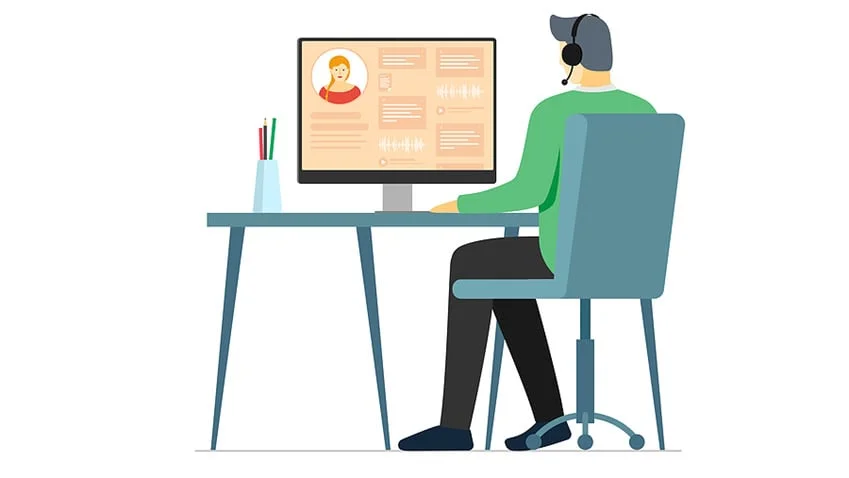
Inside sales involves conducting sales activities remotely rather than engaging in face-to-face field interactions. Inside sales representatives (ISRs) operate from offices or home settings, relying on various remote communication methods such as phone calls, emails, texts, and social media to generate sales leads and drive conversions.
Traditionally, inside sales teams benefited from centralized offices, allowing for greater collaboration. However, the pandemic has accelerated the trend toward remote work, presenting both opportunities and challenges. Even when working from home, sales representatives utilize CRM and sales analytics tools to track performance and customer interactions, enabling them to maintain target-driven productivity.
Is Inside Sales Cold Calling?
While cold calling is a facet of inside sales, it's not the sole method by which leads are generated. Sales leads typically arise from various sources, including:
- Purchased leads from third-party vendors
- Leads sourced from platforms like LinkedIn
- Inbound inquiries from potential clients
- Qualified leads generated from cold calls
- Engaged leads from email or social media outreach
Inside sales representatives generally fall into two categories: Sales Development Representatives (SDRs) and Business Development Representatives (BDRs). SDRs focus on nurturing "warm leads" who have shown prior interest, while BDRs engage in colder outreach, often utilizing market research to identify prospects. Although the nature of their work varies, both play vital roles in the lead qualification process, which is essential for securing sales.
Research indicates that successful deals often require multiple follow-ups, with over 50% of sales closing after five or more contacts. As such, inside sales reps dedicate a significant portion of their time to follow-up communications, responding to inquiries, and providing additional product information.

Inside Sales vs. Outside Sales
Understanding the differences between inside and outside sales is crucial for optimizing team performance. Here's a direct comparison:
| Work Aspect | Inside Sales | Outside Sales |
|---|---|---|
| Lead Generation | Inside reps often generate their own leads to manage high volumes. | Outside reps typically work with pre-qualified leads due to time constraints. |
| Lead Qualification | Inside sales engages in lead qualification via calls or virtual demos. | Outside sales expect leads to be mostly qualified before engagement. |
| Prospect Meetings | Meetings happen virtually through calls or video conferencing. | Face-to-face meetings are a key component of their process. |
| Follow-Up | Follow-ups are managed automatically with CRM reminders. | Follow-ups are less structured and may require in-person visits. |
| Deal Making | Most deals are concluded through virtual agreements. | Deals may require physical presence and more time to finalize. |
Because of the lower costs associated with inside sales, scaling teams can be easier. Inside sales reps can engage with more clients than their outside counterparts, thanks to the efficiencies of automation and data analytics.
Benefits of Inside Sales
Adopting an inside sales model presents clear advantages to organizations. Here are several notable benefits:
1. Cost Efficiency: Centralized teams reduce overhead on travel and office space, resulting in lower overall costs. Inside sales teams can connect with more prospects in less time.
2. Time Efficiency: Eliminating travel removes significant barriers to maximizing sales productivity. Automation further streamlines processes, allowing reps to focus on selling.

3. Efficient Onboarding: New hires can be trained more quickly in a centralized or well-structured remote environment using e-learning systems like SmarterU. Cohort-based onboarding methods ensure consistency across training efforts.
4. Enhanced Agility: With direct channels to customer service feedback, sales teams can adapt marketing strategies and offers quickly based on real-time insights.
5. Improved Analytics: Integrated systems for lead tracking and performance analytics provide managers with insights to fine-tune strategies and enhance sales outcomes. Teams are better equipped to follow up on leads in a timely manner.
6. Stronger Managerial Oversight: When teams operate from a unified platform, measuring performance and forecasting becomes more straightforward for managers.
7. Technology Utilization: A broad array of sales tools enables inside sales teams to operate efficiently and tap into data-driven marketing strategies.
While certain scenarios still necessitate in-person engagement, inside sales can offer considerable advantages across various industries.

How to be a Successful Inside Sales Rep
Success in inside sales largely hinges on the development of specific skills. Here are key competencies for inside sales representatives:
1. Active Listening: With limited non-verbal cues available in virtual settings, honing listening skills becomes essential. Understanding client concerns allows reps to tailor solutions effectively.
2. Building Rapport: Establishing a personal connection is crucial, especially when deals may require multiple touchpoints. Taking notes on conversations helps maintain context for future interactions.
3. Consistent Approach: Utilizing CRM tools and AI assistants to stay organized allows for a uniform approach when dealing with various clients and their queries, leading to higher trust and conversion rates.
4. Positive Mindset: Maintaining a constructive attitude helps navigate the ups and downs inherent in sales. A proactive mindset results in better resilience and improved performance over time.

Is Inside Sales Hard?
Inside sales can indeed be challenging, especially when dealing with high-value sales. The expectations around performance can lead to pressure, but effective sales management can promote teamwork over individual focus.
Although new reps won't immediately match top performers, training and support in sales strategy and tools help them climb the learning curve. Frequent assessments and skill development opportunities are crucial for retention and performance optimization.
According to LeadSquared, several common challenges faced in inside sales include:
- Pressure to Meet Targets: 41% of inside sales professionals feel the burden of sales targets, which can either motivate or overwhelm depending on management style.
- Work-Life Balance: 32% report long hours, especially in hybrid settings where the lines can blur between personal time and professional obligations.
- Quality of Leads: 18% find that lead quality hampers their success, often caused by systems that don't adequately filter for viable prospects.
- Motivation Levels: 9% struggle with morale after facing repeated rejections, underscoring the importance of external encouragement and support.
By implementing effective techniques to manage stress and maintain focus, sales representatives can navigate these challenges with resilience.
Four Tips for Better Inside Sales Performance
1. Product Knowledge: Mastering knowledge about the product is foundational. Having detailed information on hand allows reps to address inquiries confidently and competently.
2. Embrace Cold Calling: Despite being daunting, making cold calls can fill the sales pipeline if approached positively. Energy and enthusiasm during these calls can create lasting impressions.
3. Discipline in Planning: Establish a structured work routine and prioritize tasks based on urgency and importance to optimize sales performance and reduce stress.
4. Make Use of Technology: Familiarity with the tools, including CRM systems and workflow automation, helps streamline daily tasks and enhance productivity.
Inside Sales – The Final Word
Inside sales presents both challenges and rewarding opportunities. Leveraging advancements in technology and a shift in consumer behavior makes this field ripe for growth. Those equipped with the right skills and mindset can thrive as inside sales continues to evolve.
Are you ready to embark on a successful career in inside sales? Take our Sales Skills Assessment to discover your strengths and areas for improvement.
As an award-winning Sales Training Provider in the UK, we offer a range of Sales Courses designed to enhance your skills further.
Online Sales Training courses are available to help refine your abilities.
Happy Selling!
Sean McPheat
Managing Director
MTD Sales Training