Implementing effective monetisation models is crucial for driving sales performance and profitability. Explore the key models and strategies businesses can adopt.
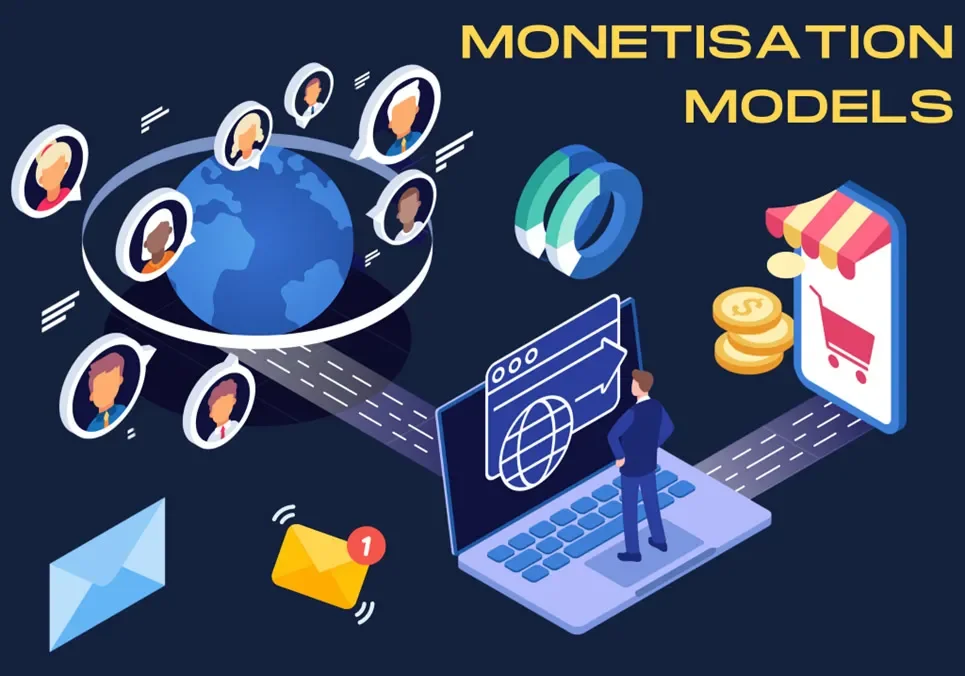
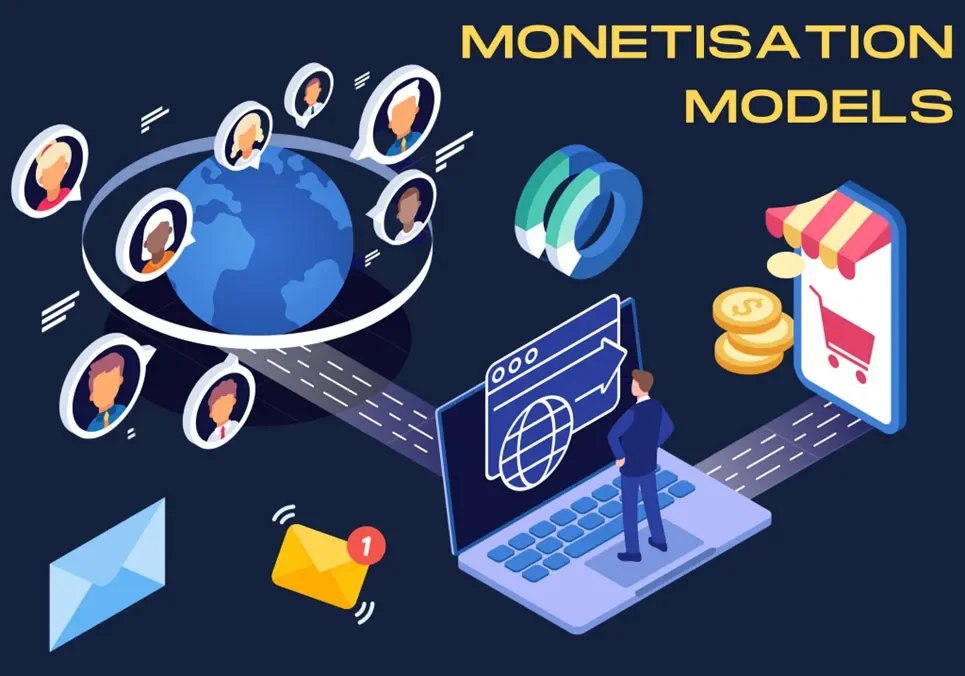
In today's competitive market, understanding monetisation models is essential for enhancing sales performance. Businesses can leverage diverse monetisation strategies to drive revenue growth and seize new opportunities.

Sales training programs stress the importance of monetisation strategies in achieving profitability, aligning product offerings with customer needs and market demand.
This article delves into the connection between monetisation models and sales methodologies, offering practical strategies to elevate sales performance within organizations.
Understanding Monetisation
Monetisation is the process of converting assets into revenue, creating income streams from various products, services, or data. A well-executed monetisation strategy fosters growth by matching offerings with customer expectations and willingness to pay.
Consider diverse scenarios such as a software company introducing tiered subscription plans for its services or a car rental enterprise that repurposes the same vehicle for multiple customers. The choice of a monetisation model hinges on the unique characteristics of the product, market environment, consumer preferences, and competitive landscape.

The Significance of Monetisation in Sales
Monetisation plays a pivotal role in sales; after all, revenue is the primary indicator of business viability. A spike in users doesn’t guarantee sustainability if revenue deteriorates.

"If something can’t be monetised, it ain’t a business. And if there’s no path to profitability, then it has no worth."
– Hendrith Vanlon Smith Jr, CEO of Mayflower-Plymouth
This viewpoint underscores a harsh reality faced by many industries, particularly social media, where users have grown accustomed to free services. The challenge lies in establishing effective monetisation strategies without alienating customers.
A poor monetisation strategy can skew product perception, hamper customer acquisition, and impact profitability negatively. A clear and appealing value proposition is essential for closing deals and nurturing customer loyalty. Fortunately, there are myriad ways to monetise effectively, ranging from direct sales to transaction fees, enabling businesses to explore various revenue avenues.
Exploring Nine Monetisation Models
1: Direct Sales Model
The direct sales model is straightforward: businesses produce goods or services and sell them directly to consumers, eliminating intermediaries. This simplicity grants companies full control over the sales process, customer relationships, and pricing strategies, commonly observed in the B2B sector with opportunities for higher profit margins.
Example: Xerox directly sells photocopiers and printers to enterprises.
2: Subscription Model
The subscription model charges customers a recurring fee for access to a product or service, ensuring steady cash flow and long-term relationships. This is prevalent in industries like software, media, and various services.
Software companies usually present tiered subscription options, with each level offering increased features or access. Many fast-moving consumer goods (FMCG) brands now adopt subscription formats, providing regular purchases alongside discounts and exclusive products.
3: Freemium Model
In the freemium model, basic services are provided for free with a charge for advanced features. This approach is particularly popular in the tech sector, lowering entry barriers for users who wish to test products before making a financial commitment.
Many SaaS companies, like HubSpot’s CRM platform, utilize this strategy effectively, offering free basic versions alongside paid tiers. Offerings such as free trials also encourage users to explore services before converting to paid subscriptions.
4: Pay-Per-Use Model
This model charges customers based on actual usage, ideal for areas where demand is variable. Industries like utilities and cloud services commonly use this model, providing flexibility and scalability for users.
ZipCar exemplifies this approach by requiring users to sign up for a service, with options for both pay-per-use and subscription memberships. However, revenue in such models may fluctuate significantly during economic downturns, making it risky.
5: Advertising Model
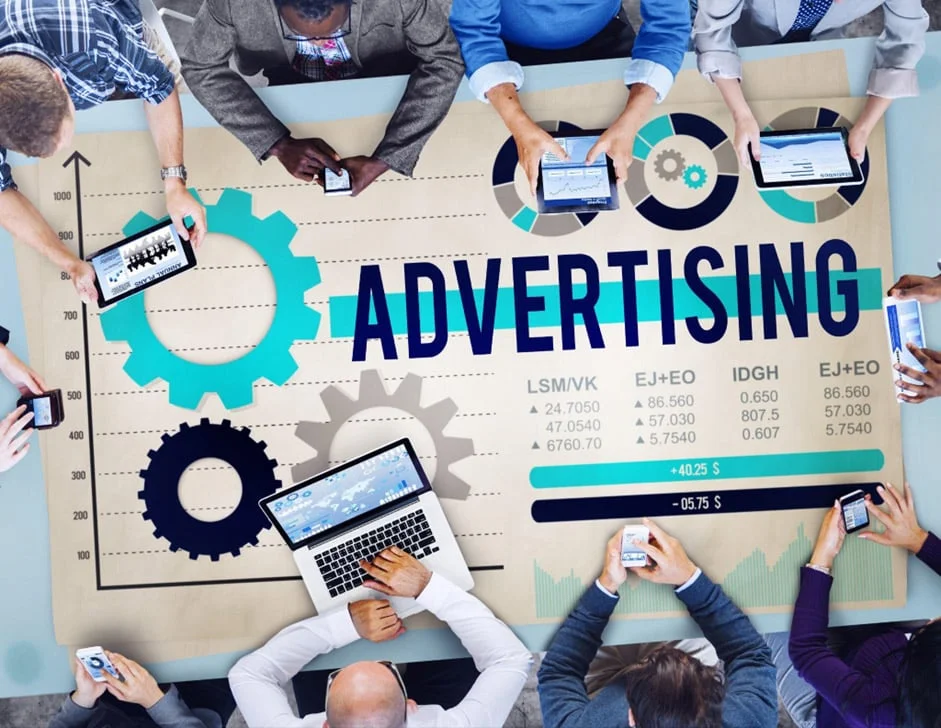
The advertising model generates revenue through selling advertising space within products or platforms. This is common in online businesses that convert high user traffic into ad views and clicks, offering revenue without charging users directly.

Social media platforms like Instagram and TikTok exemplify this model, earning from advertisers targeting specific user segments based on their demographics and interests.
However, creating a desirable platform requires careful balancing; while you want to maximize audience engagement, excessive or intrusive advertisements can alienate users.
6: Licensing Model
This model permits companies to license their products or technologies to other businesses over specific timeframes. Licensing can provide stable income, especially in software and media sectors.
For instance, Microsoft 365 licenses its products to clients for a specified number of devices, allowing additional licenses as needed. However, this model can attract dissatisfaction if users are forced into frequent re-purchases or unclear licensing terms.
7: Transaction Fee Model
In this model, companies charge a fee for each transaction processed through their platform, commonly seen in financial and e-commerce services.
Platforms like PayPal and eBay are examples, as they charge transaction fees to sellers. Amazon applies a variation of this model in its publishing services, where self-published authors receive royalties while Amazon keeps a portion for facilitating publishing.

8: Value-Added Services Model
Companies using this model offer enhancements or additional features for an extra fee beyond the base product. This can include extended warranties, additional support, or premium features.
Many apps follow this approach, granting users basic features for free and charging for in-app purchases. Brands like Tinder and Rovio (Angry Birds) effectively monetize user engagement through value-added services.
9: Hybrid Model
The hybrid model combines elements of multiple monetisation strategies to optimize revenue opportunities. This approach enables businesses to diversify income streams while catering to different customer preferences.
Companies may offer users varied payment options or tiered products with optional add-ons, like GitLab, which uses user-per-month subscriptions alongside storage add-ons.
Implementing Effective Monetisation Strategies
Given the various monetisation models available, careful consideration is essential when deciding which one to deploy. Key aspects to evaluate include distribution methods, technological capabilities, market demands, and customer profiles.
Market Analysis
Thorough market research is vital to understanding customer needs and how they align with chosen monetisation options.

Key questions to consider include: What strategies do competitors employ? How do customer expectations influence your positioning? If developing a dating app, do users expect a freemium version to gauge its viability before subscription?
Customer Segmentation
Identify distinct customer segments and tailor monetisation strategies to meet their requirements. For instance, a premium subscription may appeal to middle-class professionals, while younger audiences might prefer a freemium approach.
Offering multiple payment options, such as pay-per-use, monthly, or annual subscriptions can incentivize customer commitment—structure pricing to encourage annual payments to maximize value.
Technology Integration
Integrating technology enhances revenue management capabilities. Choosing appropriate tools can drive profitability across chosen monetisation models.
Automated billing systems, for instance, facilitate prompt invoicing and minimize errors, while subscription management systems streamline user engagement with notifications and reminders. These technologies free up resources, allowing teams to focus on innovative product development.
AI-Powered Insights
AI tools help businesses sift through extensive customer data, delivering insights for competitive positioning. Implementing AI in sales forecasting and predictive analytics supports proactive strategy adjustments to stay competitive.
Continuous Testing and Optimization
Regular review and adjustment of monetisation strategies are crucial for keeping pace with market trends. Techniques for effective testing include:
- A/B Testing: Test two pricing structures to assess performance and customer response.
- Feature Experimentation: Evaluate which service features may enhance customer satisfaction.
- Subscription Model Adjustment: Refine subscription tiers based on customer feedback.
- Utilising Analytics: Leverage analytics to measure strategy effectiveness.
Training and Development
The success of monetisation strategies hinges on a well-trained sales team. Investing in comprehensive training tailored to specific monetisation models is vital for maximizing revenue potential.
Essential areas of training include:
- Articulating Value: Equip teams to communicate the benefits of diverse monetisation models effectively.
- Customizing Solutions: Train personnel to adapt monetisation strategies to varying customer needs.
- Advanced Selling Skills: Offer deeper training on negotiation tactics and strategic sales planning.
Conclusion: The Central Role of Monetisation
Effective monetisation strategies are fundamental to increasing sales volume and driving business growth. However, the capabilities of the sales team determine the success of these strategies.
By offering tailored training to enhance selling skills, businesses align their revenue strategies with their team's strengths, ensuring optimal performance and securing a competitive edge.
For further support on these topics, explore a variety of Sales Training Courses or consider Customised Sales Training solutions that fit your needs.

Sean McPheat
Managing Director
MTD Sales Training

The post Maximizing Revenue: Essential Monetisation Models for Businesses appeared first on MTD Sales Training.


