Avoid losing prospects by understanding their motivations and applying effective communication techniques to maintain engagement throughout the sales process.
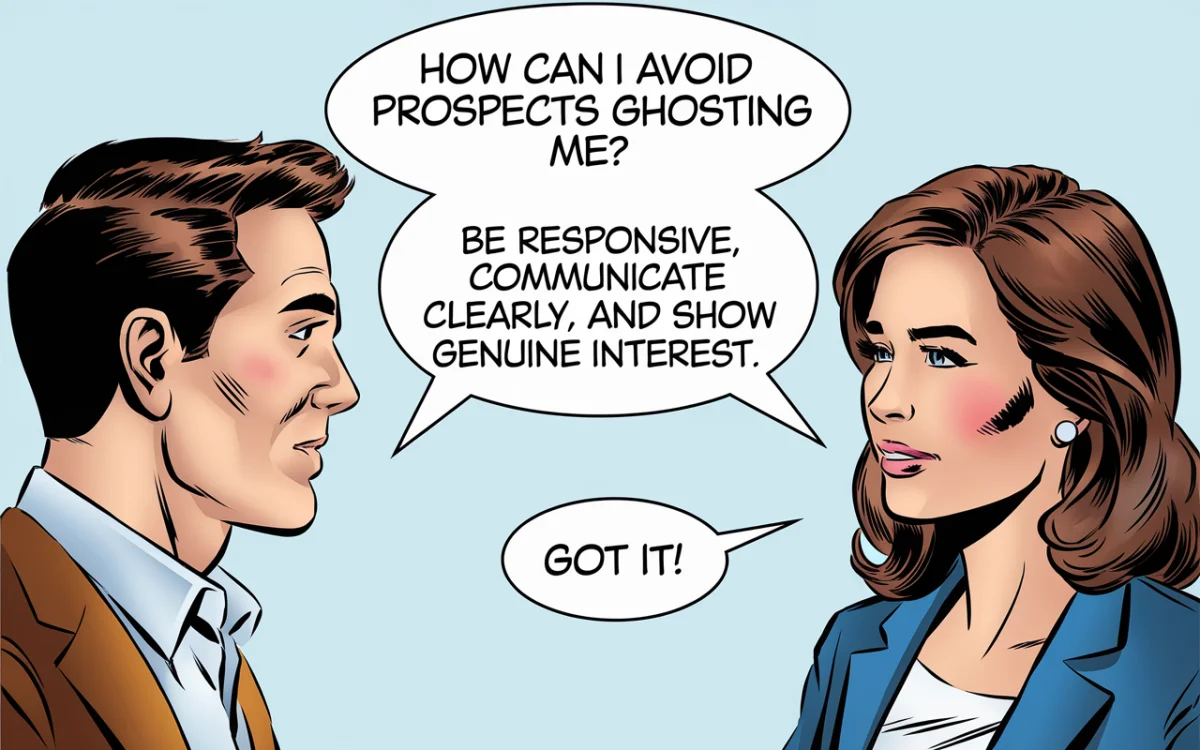
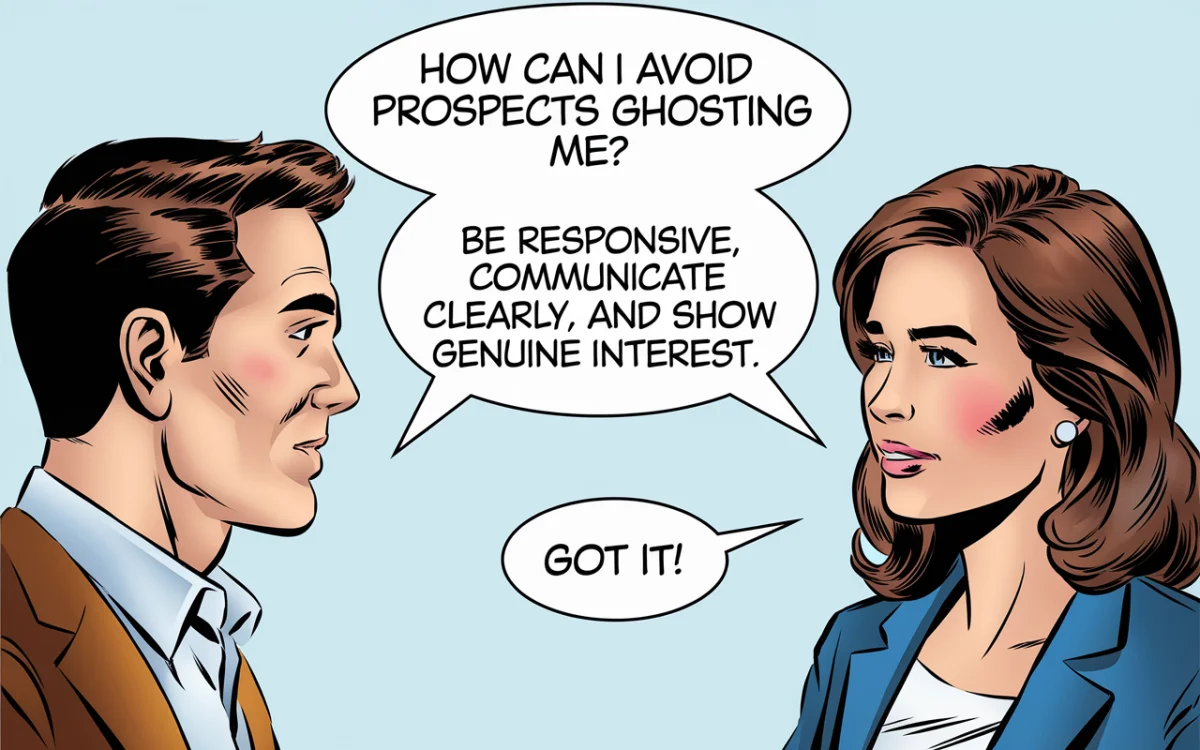
Nobody likes being ghosted, especially in sales. When prospects who initially show enthusiasm suddenly withdraw without explanation, it can be frustrating and disheartening. In fact, a staggering 62% of B2B buyers reportedly ghost sales representatives, according to an article by Seth Marrs of Forrester. This statistic underscores the importance of understanding why ghosting occurs and how to mitigate its risk.

Understanding the Causes of Ghosting
Ghosting can stem from a multitude of factors, many of which may have little to do with you or your offering. Prospects often face external pressures, ranging from budgetary constraints to negative feedback from colleagues. These aspects can lead to a sudden halt in communication, as some individuals may prefer to withdraw rather than provide an uncomfortable explanation.
Common Reasons Prospects Disappear
Here are several reasons why prospects might cease communication:
- Timing Issues: Changes in priorities or unforeseen organizational shifts can derail discussions. For instance, a potential buyer's company may undergo a merger, affecting their software needs.
- Misalignment of Needs: If prospects realize that the proposed solution doesn’t meet their requirements, they might disengage instead of discussing their concerns. As an example, a manager may test your product only to find it lacking necessary features.
- Engagement with Competitors: Prospects often compare multiple options. If they lean towards a competitor, you may be left in the dust. Imagine a procurement head trialing three similar tools and opting for one that better fits their needs.
- Lack of Clear Next Steps: If follow-up processes seem ambiguous, prospects may lose interest. For example, if you promise to call within five days but delay for weeks, you risk driving them away.
The Psychology of Ghosting
Diving into the psychological motivations behind ghosting can reveal additional insights. Three main concepts are particularly relevant: conflict avoidance, decision paralysis, and pressure avoidance.
- Avoidance of Conflict: Some prospects find it uncomfortable to say "no." Instead, they may opt for silence to avoid confrontation.
- Overwhelm and Decision Paralysis: Too many options or a confusing decision-making process can cause disengagement as a coping mechanism.
- Perception of Persistence as Pressure: Excessive follow-ups without providing value may make prospects feel pressured, prompting them to withdraw.
To navigate these psychological tendencies, consider these strategies:
- For Conflict-Avoidant Prospects: Encourage honest feedback by expressing how much you value their input.
- For Overwhelmed Prospects: Simplify the decision-making process by breaking it into manageable steps.
- For Pressurized Prospects: Establish a low-pressure follow-up schedule, such as saying you'll touch base in a couple of weeks and then adhering to that timeframe.
Proactive Strategies to Avoid Ghosting
Taking initiative at the beginning of negotiations can significantly reduce the chances of ghosting.
Set Clear Expectations
Ensure that you have a mutual understanding of the sales process and communication protocols:
- Define the Process: Clearly map out each stage of the sales cycle, including timelines and responsibilities. For example, “I'll follow up right after the trial period ends on the 15th.”
- Mutual Agreement: Collaboratively set communication expectations regarding frequency and channels. For example, “I’ll send over the specs and let’s catch up on a Zoom call next week since we both prefer face-to-face conversations.”
These strategies empower prospects, fostering trust and confidence in the seller-buyer relationship.
Building Strong Relationships
Fostering genuine relationships can enhance trust and reduce ghosting risk. Here are a couple of effective methods:
- Active Listening: Show understanding by addressing your prospect's needs and concerns. Take notes on their feedback and consider sharing these insights with your team.
- Personal Engagement: Maintain visibility on professional platforms like LinkedIn by engaging with your prospects' content, thus reinforcing your relationship.
Authenticity is key; avoid interactions that feel forced or intrusive.
Creating an Effective Follow-up Plan
A solid follow-up plan maintains momentum in discussions without overwhelming your prospects. Instead of generic check-ins, present relevant insights or updates that add value to your outreach.
Consider sharing an industry-related report or case study when a prospect goes silent. This strategy not only rekindles their interest but also reinforces your value as a resource.
Effective Communication Techniques
Personalized communication can significantly strengthen engagement.
During follow-ups, reference your previous conversations or specific challenges the prospect faces. Acknowledge recent company developments, as such gestures illustrate attentiveness and respect.
Even small thoughtful gestures, like sharing a recommended book relevant to their industry, can facilitate deeper connections and elicit responses.
How to Follow Up Without Being Pushy
It's crucial to strike a balance between being persistent and appearing pushy. Instead of repeatedly requesting status updates, utilize open-ended questions that encourage dialogue.
Ask questions such as, “What’s your biggest priority at the moment?” or “What’s changed since we last connected?” These questions promote natural engagement while giving the prospect control over the conversation.
Be mindful of timing and avoid clustering messages, which could feel overwhelming. Space your communications for a more organic interaction.
Leveraging Multi-Channel Communication
Email isn't the only method to reach prospects. If someone isn't responding to your email messages, consider leveraging LinkedIn, sending a voice message, or even mailing a personalized note. However, limit it to one additional channel to avoid overwhelming the prospect.
Diversifying communication can enhance re-engagement chances, as individuals have varying preferences for communication methods. Some prospects may appreciate casual interactions via social media before transitioning to direct messages or calls.
Sales Techniques for Ongoing Engagement
To keep the conversation thriving, consider implementing urgency and objective-based re-engagement techniques.
Creating Urgency Without Pressure
To encourage prospects to act sooner, emphasize the advantages of timely decision-making without using pressure tactics. Rather than generic scarcity messages, focus on the actual business impacts of delaying action. For example, illustrate how a prompt response can help them capitalize on emerging trends or avert potential risks.
Consider offering small incentives, such as an exclusive consultation or service add-on, to encourage prompt decisions.
Addressing Common Sales Objections
Recognize that objections usually indicate hesitations, not disinterest. Approach these concerns with empathy and provide constructive solutions. If budget constraints arise, for instance, propose phased implementation plans. For timing concerns, outline a roadmap that aligns with their timeline. Additionally, sharing testimonials from other clients who faced similar objections can bolster reassurance.
Using Technology to Minimize Ghosting
Leveraging technology, particularly CRM tools, can greatly assist in re-engaging prospects who may have gone silent.
Utilizing CRM Tools for Tracking Engagement
CRM systems play an essential role in monitoring interactions with prospects. If a previously responsive prospect becomes quiet, your CRM can provide insights into past communications and engagement patterns. Analyzing aspects like their last opened email or previous concerns enables you to tailor re-engagement efforts effectively.
Finding a Balance Between Automation and Personalization
While automation can boost efficiency, an over-reliance can render interactions robotic. Aim to use automated tools where appropriate, such as for initial outreach and reminders, but prioritize personalization during key touchpoints. For example, refrain from sending templated messages after in-depth sales conversations; instead, address specific pain points and tailor your message accordingly.
Key Takeaways to Prevent Ghosting
Being proactive in your sales approach is essential to minimizing ghosting. Assess what changes may be necessary regarding the content of your pitches or the techniques employed in your outreach.
Continue adding value throughout your engagements and clarify next steps based on prospect behavior; avoid contentless nudges that serve little purpose.
Moreover, utilize CRM tools to evaluate engagement patterns and refine your follow-up strategies. If a prospect stops responding, reassess the frequency, content, or timing of your outreach.
Building a Ghosting-Resilient Sales Process
A well-structured sales process can significantly curtail ghosting. This includes:
- Qualifying Leads Effectively: Focus efforts on high-quality prospects to maximize yields.
- Implementing Multi-Touch Follow-Ups: Engage through varied communication channels to maintain contact.
- Personalizing at Scale: Utilize CRM data for tailored outreach while ensuring efficiency.
- Creating Feedback Loops: Analyzing engagements with ghosted prospects can refine future approaches.
Be a Ghostbuster!
While prospect ghosting is a daunting challenge, applying proactive communication techniques, embracing technology, and refining your sales strategies can substantially improve engagement and increase your chances of closing deals.
For further insights on effective sales techniques, consider exploring advanced sales training programs tailored to enhance your skills and maintain strong prospect relationships.
Happy Selling!
Sean

Sean McPheat
Managing Director
MTD Sales Training

The post How to Help Prospects Avoid Ghosting You appeared first on MTD Sales Training.


