AI is enhancing sales efficiency but can't replace the crucial human touch. Learn how to harness AI while focusing on relationship building and training.
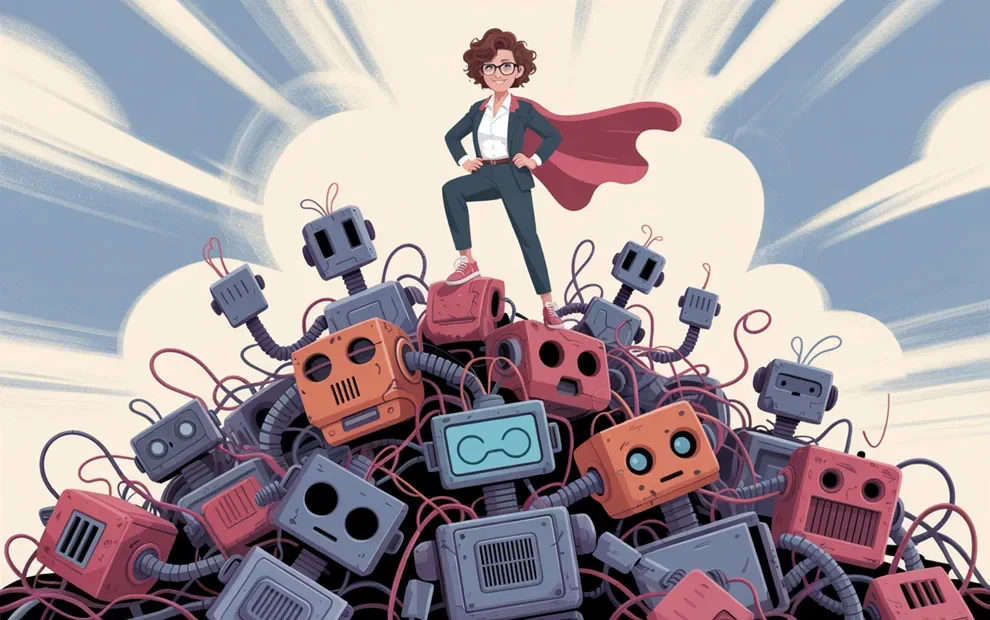
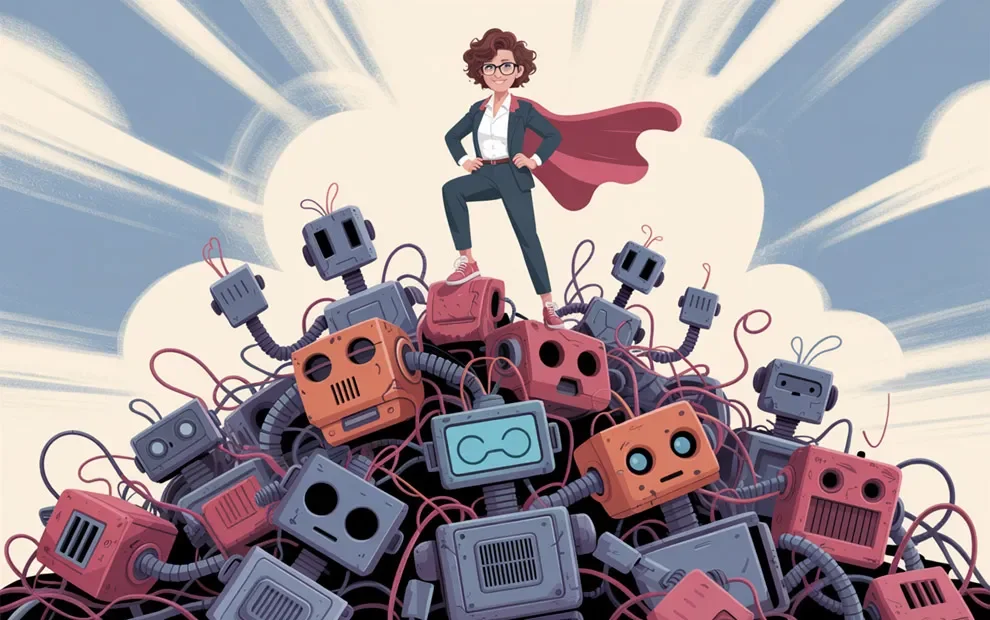
Artificial intelligence is making substantial inroads in the sales arena, leveraging technologies for tasks like lead generation, prospecting, personalized interactions, and more. By automating repetitive tasks, AI enables sales professionals to focus on high-impact activities that drive revenue. Numerous companies now offer AI applications aimed at enhancing sales processes—everything from lead scoring and email drafting to proposal generation and sales coaching.

While the benefits of AI in sales are evident, it's important to clarify misconceptions: sales professionals are not on the verge of being replaced. The emotional intelligence and nuanced understanding required in real conversations remain beyond the reach of AI. This discussion examines the role of AI in sales, its limitations compared to human capabilities, and the vital importance of effective sales training.
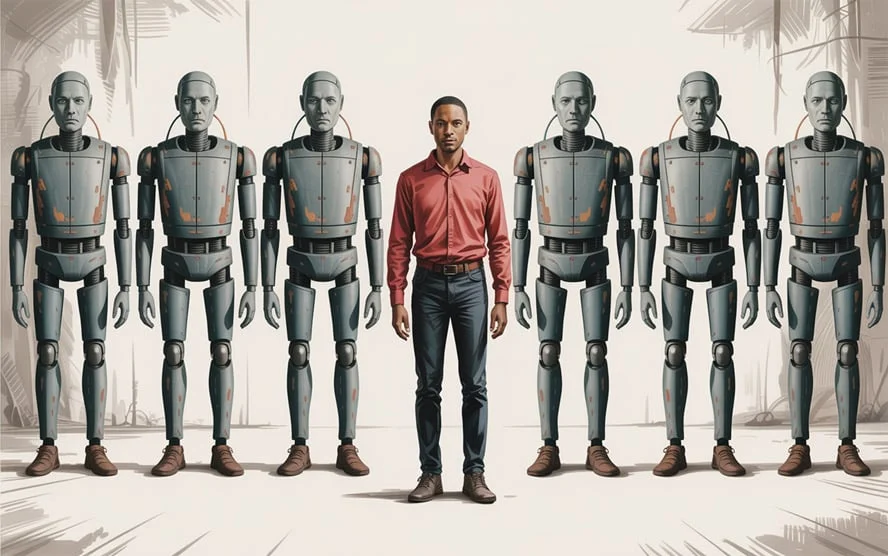
The Growing Influence of AI in Sales
The adoption of AI in business has exploded recently, and the sales sector is one of the areas most rapidly embracing this technology. Data from McKinsey & Company indicates that by 2025, 42% of businesses will integrate AI into their sales processes, emphasizing its rising significance.
Reasons Behind the Surge in AI Sales Tools
AI brings multiple advantages to sales teams, primarily enhancing efficiency by automating mundane tasks that often consume valuable time. Notable tasks suited for automation include:
- Automating follow-up emails
- Simplifying the meeting scheduling process
- Addressing frequently asked questions
Beyond operational efficiency, AI can provide a competitive edge. It helps businesses stay aligned with market trends and react swiftly to changes. For instance, chatbots can address customer queries and guide prospects, providing personalized experiences that foster conversions—efforts that can be extensive if managed manually.
Ultimately, AI in sales is already delivering significant results, but it has its limitations in contexts requiring human interaction, where human skills continue to be indispensable.
Industries Adopting AI in Sales
The application of AI in sales is broad, cutting across various industries where timely responses, accuracy, and customer insights are paramount. Some leading sectors include:
Manufacturing
AI helps in areas like customer relationship management and sales automation. Predictive analytics ensures that tasks like proposals and follow-ups happen with heightened efficiency.
Healthcare
Even in a relational sector like healthcare, AI proves beneficial. From the realms of medical devices to pharmaceutical sectors, AI-driven forecasting tools help teams hone in on their target markets, improving sales effectiveness.
Financial Services
In finance, institutions are employing AI for lead scoring, fraud detection, and streamlined risk assessment, significantly enhancing operational speed and accuracy.

Limitations of AI in Building Relationships
While AI has carved a niche in administrative tasks and data analysis, it falters when true human connections are necessary. This lack can be critical in closing sales.
What AI Can't Replicate
Despite its prowess in data processing and immediate response generation, AI lacks the ability to understand feelings and emotional context. It cannot detect the subtle cues that indicate customer hesitation or the empathy necessary to navigate complex conversations.
AI can provide factual responses, yet it is incapable of fostering genuine relationships. Trust, a vital element in buying decisions, is built through human interaction—something AI can’t offer.
Moreover, AI struggles with problem-solving because many customer hesitations stem from emotional hurdles. It cannot tailor responses in a way that resonates deeply, as human intuition does through nuanced communication.

The Importance of Context and Emotion in Sales
Effective sales are not merely about knowing product details; they depend on understanding customer needs through real conversations. Early in a salesperson’s career, knowledge of features is a starting point; true success comes from building relationships that transcend transactional interactions.
Context
AI often cannot comprehend a customer's unique background, priorities, or sense of timing. Tailoring solutions based on customer context is crucial—and AI falls short in this area.
Nuance
Not all customers fit a sales script. Some seek creativity, while others require reassurance or a flexible approach. Human sales professionals can adjust their strategies in real-time to match these needs.
Emotion
AI isn't equipped to observe non-verbal signals like body language or vocal tone, nor can it provide empathy when customers need reassurance or emotional connection. In high-value or intricate sales, these emotional components play a significant role.
These human attributes differentiate merely responding from engaging in meaningful dialogue. Consequently, while AI can be powerful, personal connections remain paramount in sales.

The Unique Strengths of Human Sellers
A genuine dialogue with a customer still cannot be substituted. Sales success hinges on human attributes like trust-building, rapport, and immediate responsiveness—none of which AI can replicate.
Trust Building
Trust is vital in sales, especially for significant deals. Clients prefer to hear directly from a person who can explain the competitive advantages of a service or product over typical AI-generated responses.
While AI can facilitate connections, trust emerges from meaningful exchanges where sales professionals genuinely understand and address a customer’s needs.
Establishing Rapport
AI lacks the ability to establish rapport. It can provide swift replies, but it can't mimic human expressions such as smiles or eye contact, which are essential in forming connections.
Effective rapport-building incorporates empathy, shared insights, and a genuine interest in the customer, all of which AI cannot simulate.
Cultivating Real Relationships
Customers tend not to bond with chatbots but indeed forge lasting relationships through authentic interactions. Strong relationships enhance customer loyalty, retention, and advocacy—all crucial for sustained business growth.
Situational Awareness in Sales
Another area where AI falls short is situational awareness. It is unable to read the environment or respond to subtle emotional cues during conversations, limiting its effectiveness in nuanced discussions.
Sales professionals who are present and engaged can react appropriately to real-time insights, adapting their approach to fit the unfolding conversation. Key skills include:
- Modifying strategies based on individual feedback
- Handling sensitive issues with tact
- Shifting quickly in response to customer engagement changes
Integrating AI to Enhance Human Sales Efforts
The infiltration of AI into sales is inevitable. However, the focus should be on how AI can augment human abilities rather than replace them. Sales teams that use AI strategically are already seeing performance improvements.
Leveraging AI for Data and Administrative Tasks
AI's most significant contribution to sales teams lies in its ability to process and analyze vast quantities of data quickly, potentially streamlining numerous tasks, including:
Research
AI can evaluate market trends, analyze competitor activities, and assess past performance data, helping shape an informed strategy.
Lead Scoring
Through data analysis, AI can better prioritize leads, allowing sales teams to focus their efforts on the greatest opportunities for success.
Administration
AI can automate repetitive administrative tasks like data entry and CRM system updates, minimizing human error and freeing up sales professionals to focus on sales conversations.
Empowering Sales Professionals to Thrive
The key to a successful sales strategy in an AI-driven world is letting human salespeople perform the tasks only they can do—cultivating relationships, engaging directly with clients, and guiding prospects through their purchasing decisions. Meanwhile, AI can manage the various logistics, enhancing efficiency and effectiveness.
When utilized correctly, AI is not a competitor but a valuable resource that enables sales professionals to excel.

Future Training for Sales Teams in an AI Environment
While AI offers vast potential to enhance sales performance, its success relies heavily on effective human use. Without proper training, AI tools will merely gather dust. Hence, investing in training programs that build confidence and competence in using AI should be a priority for organizations.
Focusing on Upskilling, Not Replacement
The objective is not to replace human workers with machines but to enhance capabilities. Modern sales training should focus on helping teams leverage AI for efficiency while emphasizing interpersonal skills crucial for sales success.
Adapting Sales Training to Current Needs
The landscape of sales training must evolve to address the nuances of both human interaction and technological advancement. Today's training encompasses more than technical selling tactics; it also emphasizes emotional intelligence and adaptive communication styles that foster trust.
While AI can handle the repetitive tasks, embracing and teaching human-centered sales strategies will empower teams to build authentic connections with their customers—key to any successful sales initiative.
Final Thoughts
AI's presence in sales is on the rise, but the human component remains irreplaceable. Success in sales will rely on honing interpersonal skills as well as leveraging technology. To remain competitive, sales teams must adapt, focusing on cultivating genuine connections while using AI to streamline their processes.
If AI in sales is the future, then equipping your team with the right skills to thrive alongside it is crucial. Consider investing in training programs tailored to teach your team the selling skills necessary for navigating an increasingly tech-driven world, fostering authentic relationships that lead to sustained success.
Learn more about effective sales training methods that prepare your team for the challenges ahead and ensure they remain relevant in the evolving landscape of AI in sales.


