Effective feedback requires more than simply stating issues; it demands creating a safe environment for growth and actionable steps to make real change.

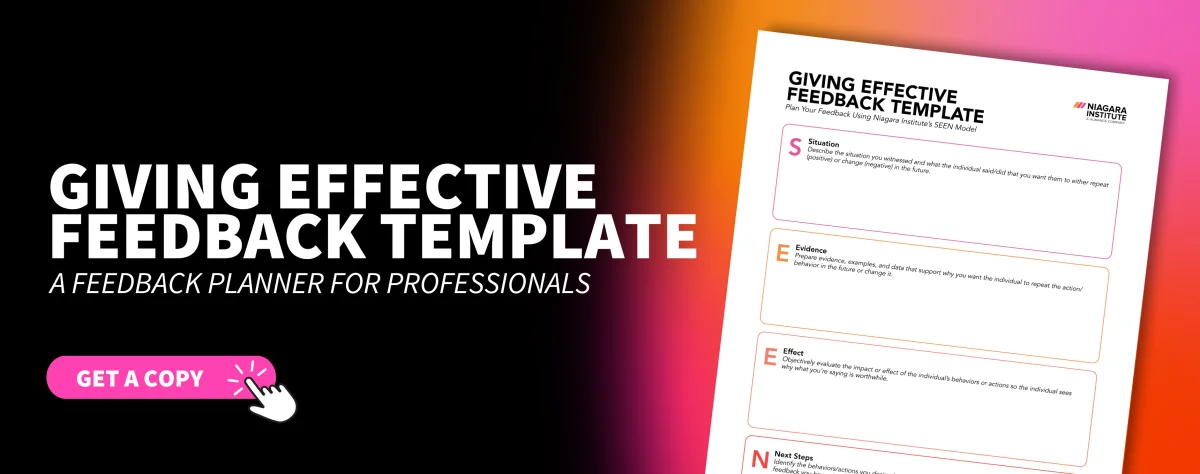
Giving feedback can feel futile, especially when it leads to defensiveness or a quick return to old habits. This frustration often arises because feedback doesn’t always generate the changes we expect. While delivering clear feedback using formulas like situation, behavior, and impact is essential, it often misses a crucial component: creating conditions that foster meaningful change.
Understanding the Core Issue
Many leaders hold the misconception that simply providing feedback will alter behavior. However, feedback acts more as a catalyst than a direct agent of change. The recipient must first navigate personal reactions, which can derail the process before it even begins. Typically, this first response can be defensive, leading to a breakdown in communication.
Imagine a scenario where you receive feedback that you tend to dominate meetings. Your instinctive reaction might be to defend your actions by rationalizing that you’re merely trying to facilitate progress. This reaction highlights a common pitfall: while you focus on intention, your feedback provider is reflecting on their experience. Recognizing this divergence is the first step toward more productive dialogue.
Acknowledging Impact Before Intention
The path to real change starts when the person receiving feedback feels understood. For example, instead of saying, "You dominate meetings," consider rephrasing it to: "I've sensed that some voices might not be getting heard in meetings. Can we explore ways to balance contributions?" Here, you’re validating their feelings while inviting them into a conversation about improvement.
If individuals sense that feedback stems from a place of goodwill, they’re more likely to engage positively. Building this trust is paramount. For instance, when workers perceive your feedback as support aimed at enhancing their success rather than criticism, they're more open to exploring the uncomfortable truths about their behavior.
Creating a Culture of Reflection
Encouragement is often more effective than immediate correction. Instead of merely pointing out faults, focus on the individual’s journey toward improvement. An approach such as, "I noticed some progress, but I also saw a slip. Let’s discuss how you felt about that,” keeps the individual engaged in self-reflection and growth.
This perspective fosters resilience. Workers are likely to regress as they attempt to shed ingrained habits. As a leader, remaining supportive during these setbacks rather than punitive can encourage persistence. For example, acknowledging small victories can help reinforce positive behavior, such as recognizing someone’s increased patience in meetings despite lapses.
Feedback Needs to Be Ongoing
Lastly, expect that effective change won’t happen in a single conversation. The reality is that behavior transformation often requires numerous discussions and repeated efforts.Diagnostics of past actions, followed by adjustments and practice in new methods, cultivate sustained change. By drawing attention to habitual patterns and gently interrupting them, you can create an environment of continuous development.
Most leaders underestimate the value of persistence in this journey. It takes, on average, about 20 conversations to change a behavior, indicating that patience is crucial. Each connection you make with your team reinforces the message that personal growth is a process, not an immediate result.
Conditions for Choice
Ultimately, the responsibility of leaders is not to impose change but to cultivate an atmosphere that encourages voluntary transformation. Offer space for acknowledgment and reflection, ensuring your feedback highlights the gap between current behavior and desired outcomes. This method fosters a sense of ownership, empowering team members to make necessary adjustments.
By refining how feedback is delivered and prioritizing understanding over defense, you can significantly increase the likelihood of transforming constructive criticism into tangible results. Remember, the goal isn’t just to inform but to inspire change through a supportive and encouraging dialogue.
In closing, feedback can either initiate conversations or reinforce barriers. It’s up to each leader to create frameworks that allow team members to engage with feedback meaningfully, ultimately empowering them to sustain personal and professional growth.


