Balancing the execution of company operations with effective board meeting strategies is crucial for founders. Learn how to enhance your board engagement for better outcomes.
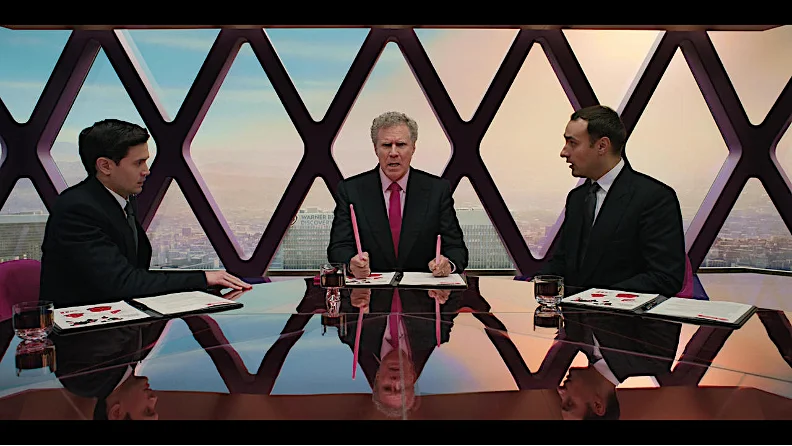
Many successful operators struggle significantly during their own board meetings. This might seem contradictory, but the reality is that managing a company and leading a board meeting require distinct skill sets. While some founders excel at driving their businesses forward, they may falter when it comes to engaging their investors.
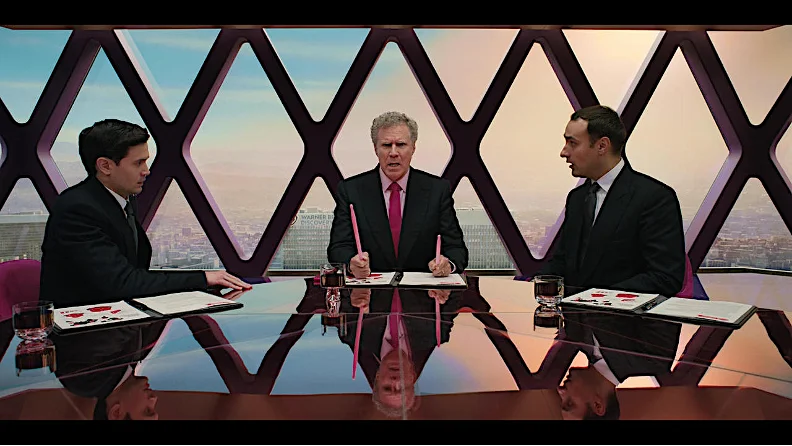
The dynamics of investor interaction vary widely. Some investors are embedded in daily operations, participating in weekly calls or maintaining ongoing communication via text or Slack. Founders who welcome this level of involvement might thrive, whereas others prefer to keep investors at arm's length, confining them to board meetings. However, this comes with a trade-off. When investors are excluded from everyday activities, the board meeting becomes the sole lens through which they assess a founder's effectiveness. This perception can lead to misjudgment.
In this scenario, even if a founder is excelling in their role, the presentation in a limited scope meeting can result in losing investor confidence. Without regular interactions, the board meeting becomes a key moment, and if it falters, it can undermine the trust and support of the investors.
The Risk of a Confidence Vacuum
I've observed how competent leaders can become less effective in board settings. When faced with challenging questions—like projected revenue for Q4, expected break-even points, or customer acquisition cost (CAC)—the discomfort of simply pausing can lead to a confidence vacuum in the room. A founder with a deep understanding of their business might hesitate not out of ignorance but because they know the answer is contingent on various unresolved factors. This honesty may be misconstrued as a lack of familiarity with their own metrics.
Such gaps in confidence often create a space where other voices hastily fill in the uncertainty, sometimes making decisions that lack a nuanced understanding of the situation. This results in the founder appearing less in control, which can lead to further erosion of trust over subsequent meetings.
Strategies to Elevate Board Meeting Performance
Instead of trying to make a single board meeting perfect, founders should consider broader engagement strategies. One effective approach is to foster more frequent and varied interactions with board members. For instance, sending out monthly business updates ensures that board members come to meetings informed, reducing surprising elements during discussions. Additionally, conducting one-on-one calls with board members can help alleviate potential misunderstandings during the meeting itself.
Regular communication not only strengthens relationships but also builds lasting confidence over time. The founders who excel during board meetings typically engage with their investors beyond the formal discussion room.
Moreover, improving performance during the meeting itself is crucial. Bringing in key team members who can provide insight and credibility can enhance the meeting’s efficacy. If a founder’s team can’t impress their investors, it may indicate a deeper talent issue within the organization. Besides, sometimes it's easier to direct attention toward a team member than to put oneself in the spotlight, alleviating pressure on the founder.
Embracing Authenticity Over Bravado
It's vital to note that performing uncertainty or faking confidence can backfire. A founder who tries to feign certainty about figures they don’t fully stand by may spend the next few quarters backpedaling and explaining discrepancies. True confidence involves understanding the drivers of the business well enough to articulate projections without overcommitting. Phrasing like, “Our projections depend on multiple factors, and here are the ranges along with the most significant variables affecting cash flow,” usually resonates better than broad claims.
An honest acknowledgment of uncertainties can actually demonstrate stronger leadership than mere bravado and provide a clearer picture of business realities to investors.
Cultivating these relationships is a journey. In a recent webinar, financial expert Chris Fenster offered insights on managing boardroom dynamics, advocating for thoughtful responses rather than rushed confessions. With decades of involvement across numerous startups, he knows firsthand how good operators sometimes struggle to maintain control in the boardroom. He asserts that understanding the subtleties of board meetings can change the game for many founders.
Final Thoughts: The Board Meeting is Part of the Job
Many founders discount board meetings as mere formalities, neglecting that these sessions are critical to their overall job. Those who recognize the importance of mastering this facet are likely to fare better as they grow their companies. The proactive founders build credibility through ongoing communication and an understanding of their business conditions, ultimately retaining the confidence of their investors.
Both aspiring and current founders may find the book Startup Boards invaluable for furthering their comprehension of managing corporate governance. After addressing investor relations, it'll provide a solid basis for navigating their next growth stages.