Use local data, customer trials and conservative cash flow projections to see whether a new neighborhood can support a second location.
A busy first location can make expansion look like the obvious next move. But a nearby neighborhood may have different shopping habits, price expectations and established local favorites. Rent, payroll and build-out costs can also start well before the new store opens. The case for a second location needs evidence from that specific market, not just confidence in the first one.

Market validation helps owners test whether enough potential customers live or work nearby, whether the business can meet their needs, and whether realistic sales can cover the added costs. A CB Insights review of startup failures identifies lack of market need as one of the leading reasons new ventures fail. Established businesses face the same risk when they expand into an area where demand looks familiar but behaves differently.
The most useful validation combines customer records, local research, small-scale sales tests and a budget built from current quotes. Together, those sources can show whether a new location would attract new customers, shift existing sales from the first store, or struggle to cover its costs.
Start with the business you already have
Before touring storefronts, look at where your current regulars come from. A cluster of repeat customers in a prospective neighborhood may signal existing demand. It also raises a practical question: would a second location bring in new sales, or would customers simply move purchases from the first store to the second?
Chuck Schaeffer, co-founder and CEO of AVTEC, works with customer records in CRM consulting. His advice is to examine repeat-customer ZIP codes before pricing a lease. Find out what brings those customers back and whether other people nearby would pay for the same offer.
Set basic operating thresholds before committing to a space. Estimate the minimum sales required, the cash reserve needed to bridge the opening period, and the staffing coverage the second store will demand. Include the effect on the existing business, too. If both locations rely on the same strong manager during Saturday rushes, the staffing plan must account for that overlap instead of assuming one person can cover both.
A second location can also reveal whether the business has repeatable ways to hire locally, train a new team and build awareness without exhausting the original crew. That learning has value, but it should be planned alongside the financial case.
1. Define the real neighborhood and study its customers
Draw a practical catchment area around each potential site using actual travel times. A neighborhood’s boundaries on a map may not reflect how people move during rush hour. Highways, transit gaps and other barriers can affect who will visit and how often.
Then examine who lives and works within that area, household income and spending patterns, commuting habits, and local employment trends. These details help explain whether the people nearby fit the business’s customer profile and whether their routines match the hours and format the business plans to offer.
- Use Census data for household and income information, and Census Business Builder to compare spending patterns across candidate neighborhoods.
- Review job locations and commuting patterns with OnTheMap. Check local unemployment trends and regional economic growth for broader context.
- Look at city and county economic development dashboards for planned housing, roadwork or major employers. Use Google Trends as a directional signal of search interest.
Income alone can give a misleading picture. One fitness studio considered a suburb that looked promising on paper, but its prospective customers had longer commutes and school-aged children. The studio’s first location had drawn young professionals from nearby apartments, so its existing schedule was a poor fit for the new area. Adding early-morning and evening classes, working with local childcare providers and offering family-friendly pricing helped the studio fill classes faster.
The useful question is not simply whether the neighborhood has enough people with purchasing power. It is whether their schedules, needs and spending choices line up with the business’s offer.
2. Map competitors and look for a specific gap
List direct competitors and close substitutes on a map. Compare their prices, hours and services, then read recent customer reviews for recurring complaints. Visiting at both busy and quiet times can reveal differences between what a business advertises and what customers experience.
Make comparisons at similar times of day and week. A Saturday rush at one shop tells little about a competitor observed on a quiet Tuesday afternoon. Local conversations can add detail: residents may explain what they cannot find nearby or why they choose one provider over another.
Tools such as Placer.ai can help compare foot traffic patterns. IBISWorld industry reports offer context on typical industry costs and margins. These sources can help frame a local assessment, but they do not replace direct observation or customer feedback.
Look for a gap the business can address clearly. If reviews repeatedly mention slow service, early closing hours or untidy premises, test an operational improvement such as faster pickup, later service or better access to hard-to-find products. The point is to see whether customers value the difference enough to change their behavior or pay for it.

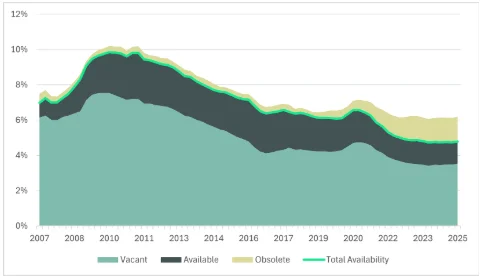
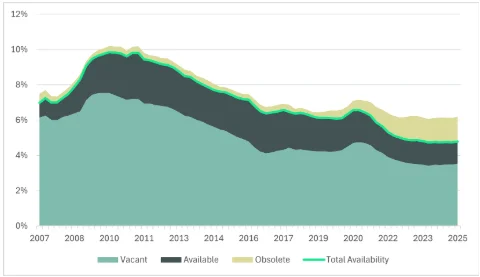
Availability also needs a street-level check. CBRE reported in its Q1 2025 research that 4.8% of U.S. retail space was available. That figure offers broad context, but it cannot tell an owner whether a particular storefront is ready to occupy or suitable for the planned use. Confirm the condition and availability of each space directly.
3. Ask customers what they buy, then test an offer
Customer research works best when it focuses on behavior. Ask local residents what they bought recently, what they paid and what remains difficult to find nearby. A short survey or small focus group can help narrow the first offer to test. A modest free sample or other incentive may encourage participation, but actual purchases provide stronger evidence than stated interest.
Nick Wiese, regional vice president of Priority One Heating & Air Conditioning, draws on residential HVAC work to assess whether a service area can support additional demand. He recommends tracking how many customers book at the usual price and how long crews take to reach them. A full schedule can still be inefficient if travel consumes too much of the day.
Test the offer before signing a lease. Geo-targeted ads can collect waitlist signups or paid preorders. A weekend pop-up, trunk show or mobile booth can show whether customers will make a purchase and return. Local search interest may also help identify which areas and messages merit further testing.
| Test | What to record | What it helps decide |
|---|---|---|
| Survey or focus group | Recent purchases and products or services that are hard to find locally | Which offer to test first |
| Local ads | Waitlist signups and paid preorders by message and ZIP code | Which customer groups and messages justify more testing |
| Pop-up or mobile unit | Total sales, average order size and repeat customers | Whether demand may support a permanent location |
Set a minimum order goal before launching a test. Record where customers live and separate full-price sales from purchases made with a promotional code. That distinction helps show whether the offer works at its intended price or mainly attracts discount-driven buyers.
Preferences may vary within the same city. A spicy rice bowl that sells well in one neighborhood might need a milder version elsewhere. Retailers can test product sizes, colors and bundles in the same way. The SBA business guide can help owners organize a market test and interpret what they learn.
4. Confirm the site can support the business
Customer demand is only part of the decision. Before planning a build-out, contact the local planning office with the exact address and explain how the business intends to use the space. Ask about zoning, parking, signage and occupancy limits. The SBA’s licensing and permits guide can help identify which approvals may apply.
- Get inspection timelines, health and safety requirements, and any special permit needs in writing.
- Check state minimum wage information and ask the city about local rules affecting pay, scheduling or paid leave.
- Have a contractor review power, ventilation and utilities before budgeting for a kitchen or workshop build-out.
Ask the landlord when rent begins and which improvements need written approval. Those details affect how much cash the business must spend before opening and whether the space can be adapted as planned.
One restaurant group lost six months while paying rent after learning it could not install a hood vent in a historic building. An early conversation with the city and a local architect can uncover site constraints before construction plans and opening schedules depend on them. Owners who need help finding local contacts can use America’s SBDC locator to connect with a nearby small-business development center.
5. Learn from nearby businesses and local groups
People already operating in the neighborhood can provide practical information that datasets miss. Nearby owners may know when the slow season starts, which streets lose access during construction, or how community events affect traffic. Suppliers can describe which products move quickly and when demand tends to rise.
Local industry groups, schools, clubs and neighborhood associations can help a business understand the people it hopes to serve. A small, specific collaboration—such as a joint promotion or one-day event—can also test whether the businesses attract overlapping customers. Guidance on local business partnerships can help owners shape a straightforward proposal.
Retail and food businesses can contact a local chamber of commerce or business improvement district for foot traffic information, community event dates and planned street construction. Those conversations can inform both the site decision and the timing of a launch.
6. Build a location-specific budget and test a weak month
Prepare a month-by-month forecast using local quotes and results from customer tests. Rent listings on LoopNet and conversations with brokers can help establish a starting point for rent and triple-net costs, which include taxes, insurance and maintenance. Confirm actual terms for the specific property before relying on a forecast.
Include build-out, equipment, local wages and benefits, shift coverage, launch promotions, inventory lead times, storage, security deposits and opening stock. Add pre-opening payroll and a cash buffer: many costs arrive before the first customer makes a purchase.
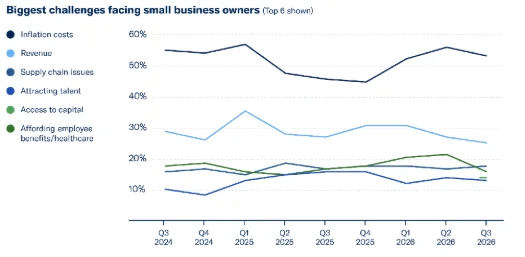
Inflation is one factor in the cost outlook. In a U.S. Chamber of Commerce and Ipsos survey, 54% of small-business owners named inflation as one of their biggest concerns. A forecast should account for the possibility that costs rise or sales take longer to build than expected.
Harris Ngheim, owner of Top Brokers, has worked with businesses planning expansion and warns against building a second-location budget around the first store’s best month. His recommendation is to test break-even math against the slowest month the business has experienced. If the plan works only in a strong month, it may not provide enough room for ordinary setbacks.
Use a cash-flow planning guide to organize the forecast and the SBA break-even calculator to estimate the sales needed to cover monthly costs. Include seasonality and identify when the cash balance reaches its lowest point. A location can appear close to break-even and still run short of cash before sales catch up.
Build realistic, best-case and worst-case scenarios with the SCORE financial projections template. Consider what happens if sales take 30% longer to ramp up or a major expense comes in 15% above budget. Choose a minimum cash reserve and decide in advance which expenses can be delayed or reduced if the balance falls below that level.
The goal is to understand not just whether the new store could become profitable, but whether the business can carry it through the opening period and a slower stretch without putting the first location under strain.
7. Turn the strongest test into a launch plan
Use pilot results to choose the customer group and offer that performed best. Then assign a person to each part of the first 90 days, from staffing and operations to neighborhood outreach. The SBA Business Guide provides a framework for organizing the launch work.
- Run a soft launch during the busiest hours identified in local research. Train the team for those periods and fix operational problems before the grand opening.
- Plan neighborhood promotions and partner events around the offer customers responded to during testing.
- Review foot traffic, conversion, average order size, repeat visits and progress toward break-even each month.
A specialty bakery tested a city two hours away with two weekend pop-ups and online preorders. A local coffee shop helped spread the word, and a PTA fundraiser introduced the bakery to families in the neighborhood during its first month of testing. Strong signups, preorder sales and repeat customers gave the owners confidence to sign a lease. By opening day, the business already had returning customers.
That sequence—test demand, build local relationships, then commit to a site—gave the owners more than a general sense of interest. It showed which channels brought customers in and whether people came back.
Make the lease decision with evidence
A second location deserves its own market assessment and operating plan. Start with current customers and local demographics, compare competitors, and test the offer with real buyers. Confirm the property’s limits early, learn from neighborhood businesses, and build a forecast from local costs rather than copying the first store’s numbers.
Just as important, set a point at which the business would pause or change course. If customers respond to the offer but projected sales cannot cover the site’s costs, another test, a different format or a less expensive storefront may make more sense than signing immediately. The strongest expansion case is one that can withstand a slower start and still leave the original business properly staffed and funded.
A practical first move is to compare Census data for the top candidate ZIP codes, speak with three nearby business owners and survey potential customers about recent purchases. Those conversations can help narrow the test—and make the next lease decision more grounded.