Nearly 1 in 5 workers with a Fidelity 401(k) held a loan in Q2 2026, even as balances hit records. Here's what that tells employers and managers.

Retirement balances are at record highs, and a growing share of the people holding those balances are borrowing against them. That combination is the real story here. It suggests the pressure on household budgets is reaching workers who are otherwise saving, and it puts plan design and employer communication squarely in the spotlight.

Fidelity data cited in a CNBC report shows 19.5% of workers with a Fidelity 401(k) had an outstanding loan in the second quarter of 2026. That's nearly one in five people with a loan balance, at the same moment average account values are climbing.

Why a loan isn't the same as a withdrawal
A 401(k) loan is a different animal from taking money out for good. A worker generally borrows from their own retirement savings and repays the amount, with interest, through their plan. The money isn't gone in the way a distribution is, which is part of why the loan feels manageable to people who are juggling bills.

The catch is what happens while the money sits outside the account. Financial experts cited by CNBC warn that borrowing can reduce the benefit of compound growth during the time the funds are out of the plan. A balance that isn't invested isn't participating in the market's gains, and that gap can matter more than the interest rate on the loan itself, especially for someone who's decades from retirement.

There's also a practical wrinkle. A loan that's outstanding when a worker changes jobs can complicate repayment, and plan rules vary. Anyone considering a loan should read their own plan's terms rather than assume the rules work the way a general article describes.

Hardship withdrawals are climbing too
Loans aren't the only sign of strain. CBS News' coverage of Vanguard's data found that 6% of participants in Vanguard 401(k) plans took a hardship withdrawal in 2025, up from 5% the year before. The median withdrawal was $1,900. That median is modest, and that's worth sitting with. Most of these withdrawals aren't large sums pulled out for discretionary reasons. They look more like someone covering a bill that couldn't wait, which is exactly the kind of pressure a small-dollar emergency fund is meant to absorb. When a worker reaches for retirement savings to close a gap that size, the underlying problem is often the absence of any other cushion. USA Today's reporting, cited in the same coverage, frames the broader trend the same way: workers are increasingly turning to retirement savings for help, and hardship withdrawals have risen sharply in recent years.

Strong balances and rising strain at the same time
The most interesting part of this data is that it doesn't point to people saving less. Fidelity reported its average 401(k) balance hit a record $155,800 during the second quarter, up 13.1% from a year earlier. Many of the same workers who are borrowing are also building larger accounts. That's why I'd resist reading this as a simple savings-crisis headline. Here's the thing: a plan can be growing steadily in aggregate while a meaningful minority of its participants use it as a safety net. Averages hide the distribution. A record average balance says little about whether the worker with a loan is in the same position as the worker who never touched the account. And yet the borrowing data matters for anyone who designs or manages a retirement plan. A high loan share is a signal that participants may be treating the plan as their only liquid reserve.
What employers and managers can take from this
For business owners and HR leads, the practical questions are less about the headline number and more about what the plan is doing for people. A few angles stand out:

First, look at how loans are presented. If enrollment materials focus only on the plan's growth, participants may not grasp the opportunity cost of borrowing. Clear, plain-language explanations of how a loan affects long-term growth can help workers make a more informed decision at the moment it matters.

Second, consider what sits next to the plan. A worker with a small emergency fund is more likely to reach for a 401(k) when a car repair or medical bill lands. Employers who offer access to financial counseling, or who think about short-term savings options alongside retirement, are addressing the root cause rather than the symptom.
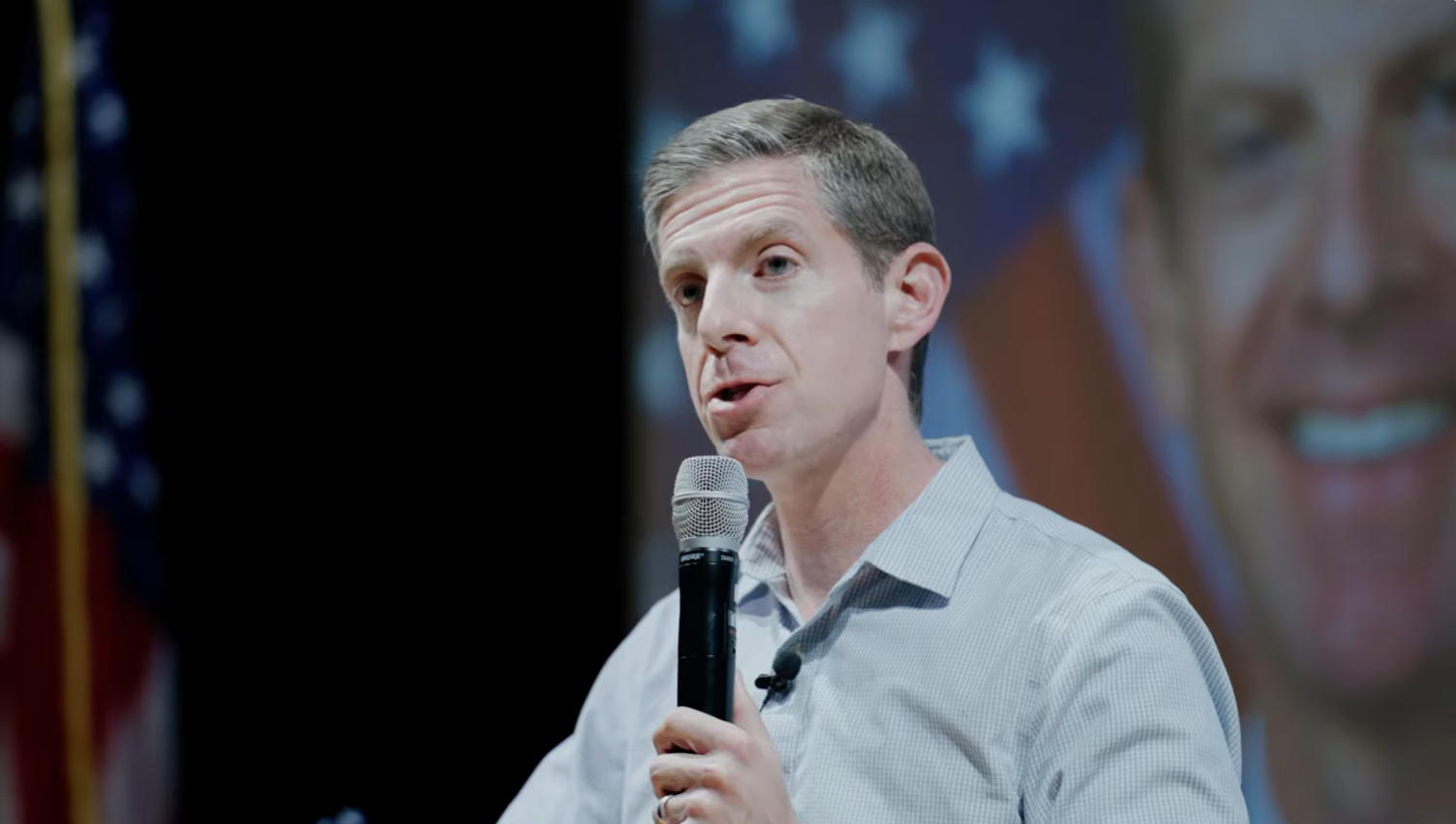
Third, keep an eye on the rules that shape these choices. The IRS raised the 401(k) contribution limit to $25,500 for 2027, an increase of $1,000 from 2026, and the agency issued final automatic enrollment rules for 401(k) and 403(b) plans recently. Both changes will affect how plans are structured and how much workers can put in, so they're worth tracking in planning cycles ahead. Watch the next round of plan data closely. If loan shares and hardship withdrawals keep rising while balances keep setting records, the gap between the average participant and the one under strain will be the story worth telling.