After relocating her Melbourne practice, Dr Madeline Sinclair is pairing prevention-led dentistry with a calmer patient experience and careful spending.
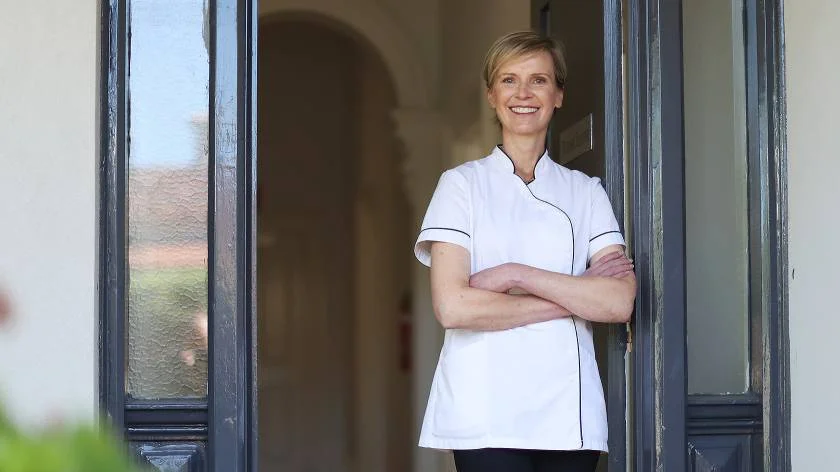
Dr Madeline Sinclair built Dental Wellness Studio around a straightforward idea: a dental appointment should leave room for the person behind the teeth. That principle shapes the Melbourne practice’s rooms, consultations and focus on preventing problems, as well as its decisions about equipment and cash flow.

Sinclair opened the boutique practice in 2024 after spending 20 years at the same dental practice and trying work at several others. None matched the way she wanted to practise. She wanted patients to have time to explain their concerns, and to treat oral health as part of their wider wellbeing.
Her interest in dentistry began early. As a child, she enjoyed appointments and took extra care brushing beforehand, hoping to impress her dentist. Orthodontic treatment for crooked teeth reinforced that positive experience. Years later, she made a career of the field.
A practice designed to put patients at ease
Dental Wellness Studio occupies a former heritage home in Kew. The reception area includes lounge seating, a herbal tea cart, a charging station and a wellness menu. Sinclair says patients have remarked that the space doesn’t feel like a conventional dental clinic.
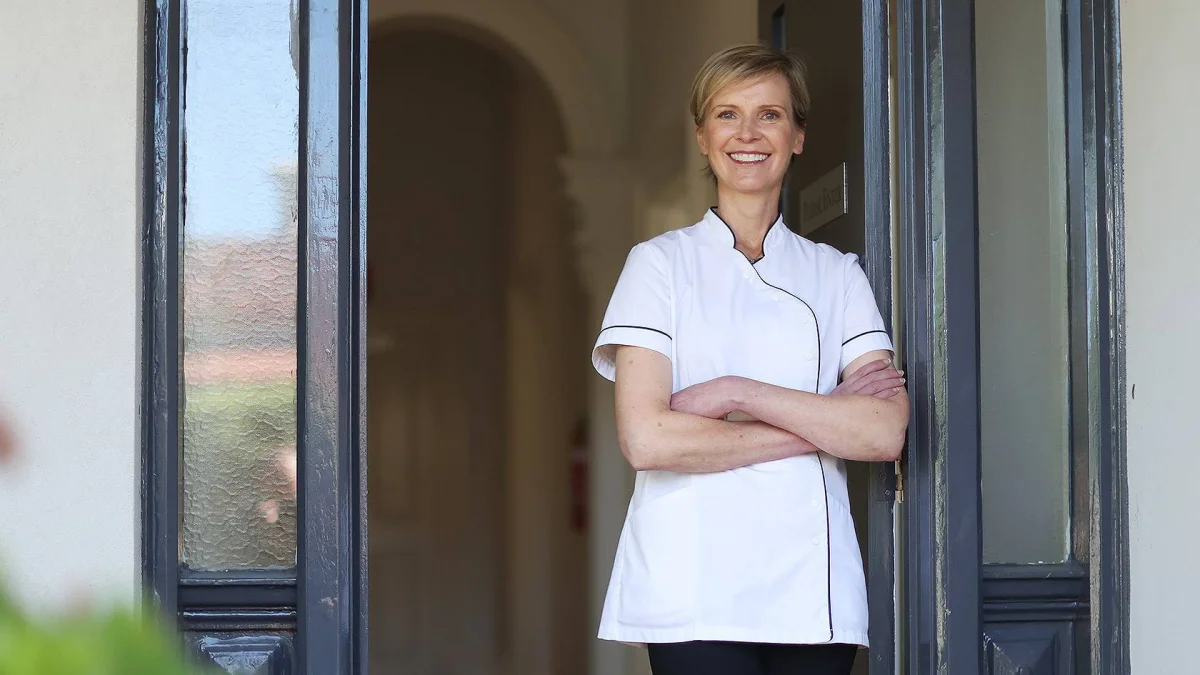
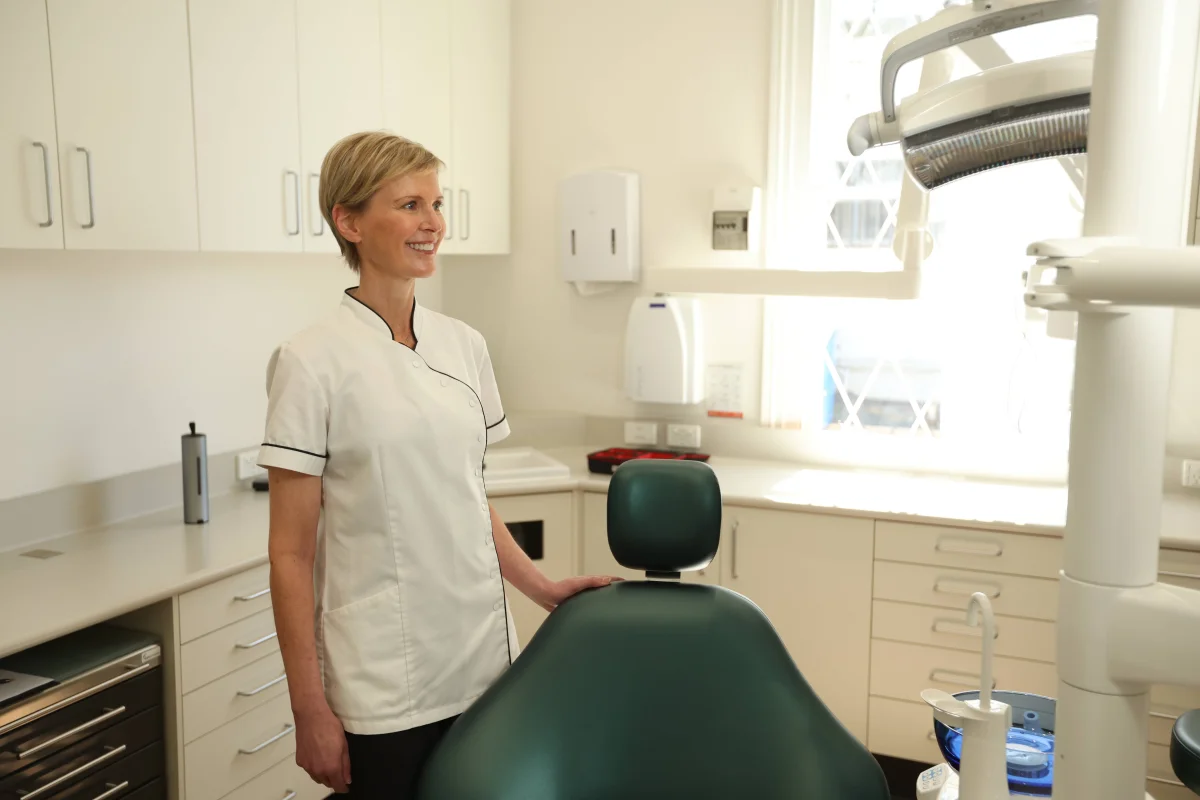
The wider service offering includes a skin treatment room, where Sinclair provides advanced therapies and personalised skincare regimens for concerns including acne, rosacea and eczema. In the dental treatment room, her approach starts by understanding the patient as a person, rather than focusing only on an individual tooth.

That attention to the experience has a practical purpose: Sinclair says it can ease some of the anxiety people associate with dental visits and help them take greater ownership of their care. The same thinking informs the practice’s emphasis on prevention. When a tooth breaks, for example, she wants to understand what caused the damage and what might help avoid a repeat problem.
There’s a business tension in that model. Sinclair jokes that teaching patients to care for their teeth could mean they need less dental work. Her bet is that trust and prevention matter more to the practice’s identity than simply treating problems as they appear.
A forced move reset the opening plan
The practice’s current home wasn’t Sinclair’s first choice. She had invested in a premises in Hawthorn that she expected to keep for the long term, then learned the building would be demolished. She found a new site in Kew that better matched her vision, but it needed substantial work.
Starting over meant managing another large outlay while keeping the gap between closing at the old site and seeing patients again as short as possible. Sinclair says the immediate priority was deciding which work had to happen first so the practice could reopen and resume appointments.

During the transition, she used an American Express Business Gold Plus Card to help manage eligible expenses. The card offered up to 55 days to pay for purchases, subject to the account’s payment timing and conditions. Sinclair says planning purchases around statement dates and incoming revenue helped her manage monthly cash flow and consider future spending.
She later adopted the card’s Flexible Payment Option for some larger or unexpected costs, spreading those expenses over time. That option can incur interest when the closing balance isn’t paid in full by the due date. The experience points to a practical constraint for small operators: payment timing can provide room to manage a busy month, but it doesn’t remove the need to track the full cost of borrowing.
Equipment choices support the care model
Just over a year after relocating, Sinclair is planning the next stage of the practice, with patient care and technology still central. She has invested in equipment intended to make treatments more comfortable, support early detection and reduce the need for invasive procedures.
One example is EMS Airflow, which the practice uses for Guided Biofilm Therapy during cleaning. Sinclair describes the process as using high-pressure water and powder; for most of the cleaning, she says, it avoids physical contact with the teeth and can mean less sensitivity for patients.
The studio also uses low-dose digital X-ray imaging, laser decay detection and an ozone machine to reduce bacteria during certain procedures. These purchases sit alongside the ordinary costs of running a practice, so choosing new equipment involves weighing the expected patient experience against the expense.
Her priorities ahead are to keep investing in preventative care, grow the patient base and build the team. The operating lesson is visible in both the clinic’s layout and its relocation: a clear service philosophy can guide decisions, but putting it into practice also means setting priorities when time and cash are under pressure.
For Sinclair, growth won’t mean letting the personal side of the practice fade. She says she wants to preserve close relationships with patients as the business develops.