Career coaches say AI practice can cut interview uncertainty for neurodivergent job seekers, as long as rehearsal builds confidence instead of teaching them to mask.

Up to one in three U.S. college students may show neurodivergent traits, yet many of them could be screened out of jobs for how they come across in a conversation rather than what they can do. The résumé usually gets a fair read. The live interview is where the trouble tends to start.

Where the research points
Eye contact, small talk, body language and quick social responses all shape hiring decisions. None of them says much about whether someone can do the job. That gap is the core problem, and it's why the interview is worth fixing before the résumé.

The numbers are blunt. In Rowan University research, 92% of neurodivergent respondents named anxiety or nervousness as their biggest interview barrier, and 50% cited a lack of confidence. The same research estimates that 10% to 30% of U.S. college students show neurodivergent traits, which makes this a mainstream hiring issue rather than a niche one. Cornell and Vanderbilt University researchers flag interviews as one of the biggest obstacles for autistic job seekers, and they recommend making the process more predictable by sharing questions in advance and using specific prompts.

The most telling finding comes from a University of Vermont research summary. Autistic candidates were rated less favorably when evaluators watched their video interviews, but evaluators preferred the same responses when they read transcripts. The answers didn't change. Only the presentation did. My read is that this points less to a candidate problem and more to a format problem, and it means preparation can only do so much on its own.

Rehearsal as a way to reduce uncertainty
If the format is part of the problem, predictability is a reasonable place to push back. AI interview tools can give candidates a low-pressure space to rehearse answers and get comfortable with the questions they're likely to face. The key is what the rehearsal is for.

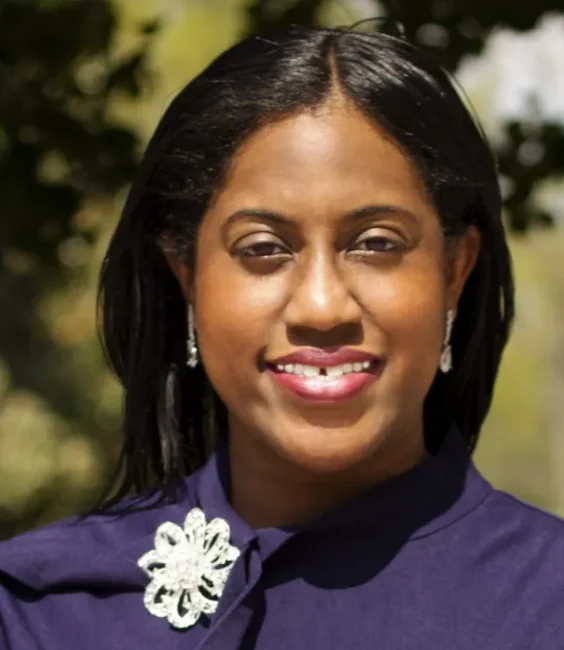
Dahlia Ashford, a certified employment and interview professional at Ashford Career Consulting, frames practice as a way to turn unpredictability into confidence. Her starting list is the questions that show up in nearly every interview: "Tell me about yourself," "Why are you interested in this role or company?" and prompts about positive accomplishments, handling conflict, strengths, areas for growth and teamwork. She suggests timing answers so they stay concise and focused, and practicing a natural level of eye contact with the camera, since that small habit helps on video calls.
Ashford also recommends using practice sessions to get familiar with questions interviewers shouldn't ask, such as those about age, disability, religion or family status. Knowing those questions in advance gives candidates a calm way to redirect the conversation if one comes up.

Small talk, eye contact and the masking question
On the conversational side, Ashford's advice is practical. Build a short set of small-talk topics that feel comfortable, such as the weather, pets or a recent local event, and steer clear of hot-button subjects like politics. Ask for the interview schedule and the list of interviewers ahead of time so you can research each person and rehearse each conversation. Mock interviews with a trusted friend or coach help build real confidence, not just a polished script.

On eye contact, she recommends brief, natural moments of connection rather than a sustained stare. Think of it as punctuation for your words, not a test of nerve.

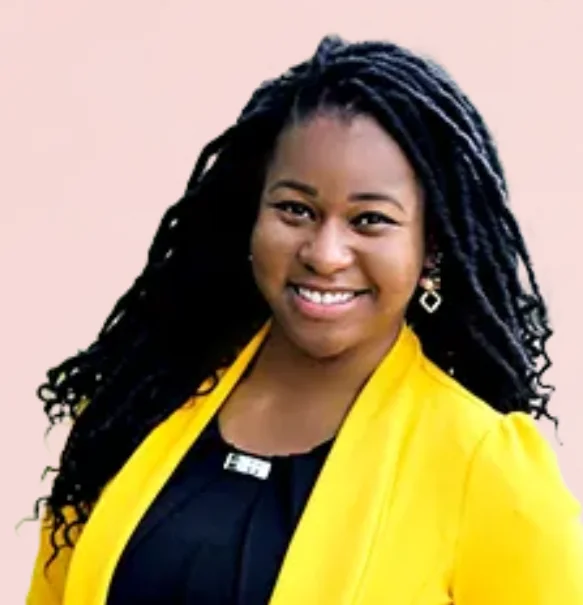
Chelsea Jay, a career and interview coach at Seasoned and Growing, draws a firm line here. AI shouldn't be used to teach neurodivergent professionals to mask or to become a version of themselves they think an interviewer will like better. The aim is to land a role at a company that accepts and values their differences. Jay describes the benefit this way: think about how different you sound answering a question you've never considered compared with one you've practiced five times. Rehearsal lets people organize their thoughts, talk through their skills and accomplishments, and handle unexpected follow-ups without the nerves swamping everything they have to offer.
A one-week plan
Jay's advice for this week is to resist the urge to prepare for every possible question, since that's a fast route to burnout. Instead, paste the job description into an AI tool and ask for five to seven questions the interviewer will likely ask. Practice answering those. You don't need a memorized script. You're building comfort with telling your own story.
Then ask the tool to evaluate your answers. Jay suggests questions like: Did I answer the question completely? Was my example clear? Did I explain my contribution and its impact? Did I leave anything out? Those answers show you where your habits are strong and where they need work, and each round of practice makes talking about your own experience feel more familiar.
Both experts draw the same boundary. AI should reduce uncertainty, not teach anyone to mask. Used that way, it's a practical tool for getting ready for the stage of hiring where research suggests skills are most likely to be overlooked. The next test is whether employers begin to offer predictable formats and clear prompts themselves, since that would take pressure off candidates who prepare as hard as anyone else.