Fake shopping can create a pause between wanting and buying, but there’s no solid evidence that it reduces real spending over time.

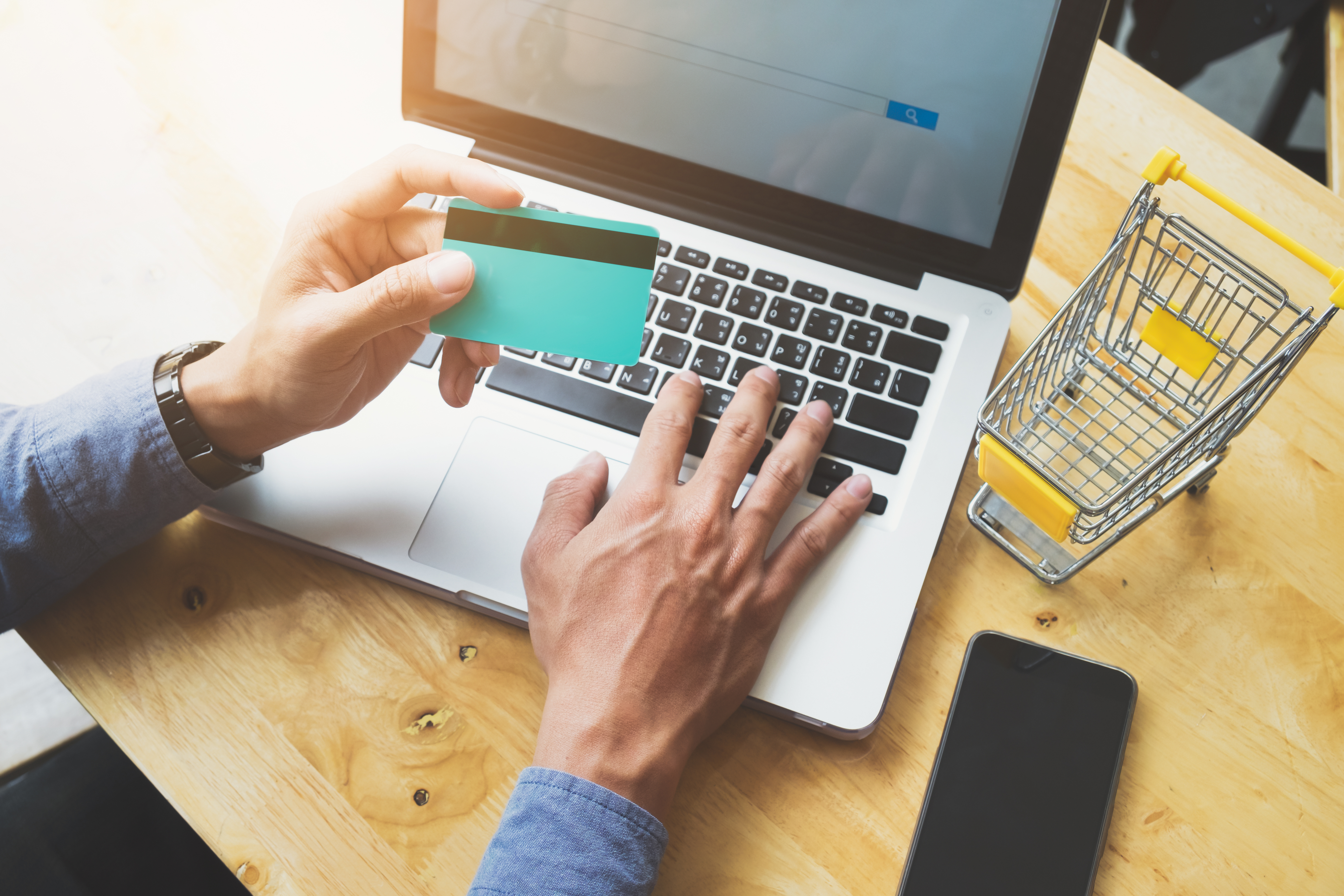

Fake shopping offers the pleasure of filling a cart without paying for it. That may buy someone time to reconsider an impulse purchase, but the habit could also keep them focused on what they want. Whether it reduces actual spending over time remains an open question.

The sites, sometimes called “dopamine sites,” let visitors choose products or meals and complete pretend orders. Kate Ashford, writing for NerdWallet, describes building a cart with a collagen mask, a puffer jacket and wireless earbuds that totaled $323.91. Nothing arrived, and no money changed hands: she was browsing dopamine-shop.com.

Some sites offer pretend food orders, too. Their founders describe the appeal as “all the reward, none of the regret.” The trend began in South Korea and has spread to countries including Brazil, India and the U.S. Dopamineshopping.com, created in June 2026, operates in 14 languages and says it has processed “more than 32,000 orders worth exactly nothing.”

The reward may come from the search
The satisfaction of shopping can start well before a package arrives. Neuroscientist and psychologist Nicole Prause says dopamine is especially involved in the anticipation: searching, comparing and imagining the right item in a cart. Receiving a purchase can also feel rewarding, but Prause says it involves a different system.

That distinction helps explain why an imaginary purchase can feel compelling even when there’s no checkout charge. The shopper still gets to picture what the item might change or make possible.

Vanessa Dean, an ADHD money coach in Reidsville, North Carolina, sees that appeal in her own collection of abandoned planners. When she considers buying one, she says, she imagines becoming more organized and keeping better track of time and appointments. “The dopamine hit comes from the potential the item has,” Dean says.
Media psychologist Pamela Rutledge, based in Newport Beach, California, describes pretend shopping as a way to imagine owning something without the cost, clutter, shame or regret. The sites are often presented as a kind of “online shopping karaoke”: entertainment that offers a shopping experience without a bill.

A pause can change the decision
For someone who makes unplanned purchases out of boredom, building a fake cart could insert a delay between desire and payment. Rutledge says the experience may satisfy an urge long enough for it to pass, adding friction between wanting an item and buying it.
Research on wish lists offers a related clue. Deirdre Popovich, an associate professor of marketing at Texas Tech University, found that putting items on a wish list lowered shoppers’ intent to purchase them. When people considered those items later, they paid attention to different qualities.
Her study did not examine dopamine sites, so it can’t establish whether pretend shopping has the same effect. Still, it points to a useful distinction: choosing something can be imaginative and pleasurable, while the later decision to buy may become more practical. A cooling-off period can give that second kind of thinking room to surface.
That possible pause is the strongest case for trying a fake cart. Someone tempted by an unnecessary late-night order could see whether a no-cost version lets the urge fade before they open a real shopping app. The test is personal, though; the available research doesn’t show that the approach works for everyone.
Repeating the ritual may keep desire alive
Pretend shopping doesn’t address every reason a person shops. Rutledge says it might interrupt spending behavior without changing the psychological need that made shopping rewarding. For some people, continuing to browse and select items may preserve a steady sense of wanting. Popovich cautions that the activity could leave them “in a constant state of wanting.”
That matters because a fake purchase and a real purchase share much of the same ritual. Someone may get the anticipation and the imaginative thrill from filling a cart, then still decide to buy the items. A no-cost activity isn’t automatically a substitute for spending.
Anyone curious about the effect can treat pretend shopping as a small experiment: notice whether the urge to make a real purchase fades after building a fake cart, or whether it grows. If it doesn’t help, Dean suggests making a list of other activities that lift mood or provide a sense of reward. Options she names include dancing to a favorite song, exercising, finishing a task, trying a hobby or taking a walk in nature.
Rutledge compares dopamine sites to social media, while pointing out that they may lack the steady stream of new material that keeps people engaged on those platforms. Their appeal may fade as well. For now, there’s no solid evidence that spending less in a pretend-shopping session carries over to real-world purchases. The practical takeaway is to watch what happens after the browsing: does it create space to rethink a purchase, or simply prompt another trip to checkout?