Jay Clarke grew Bin Master Skips by improving booking, tracking costs and planning capacity as demand rose.
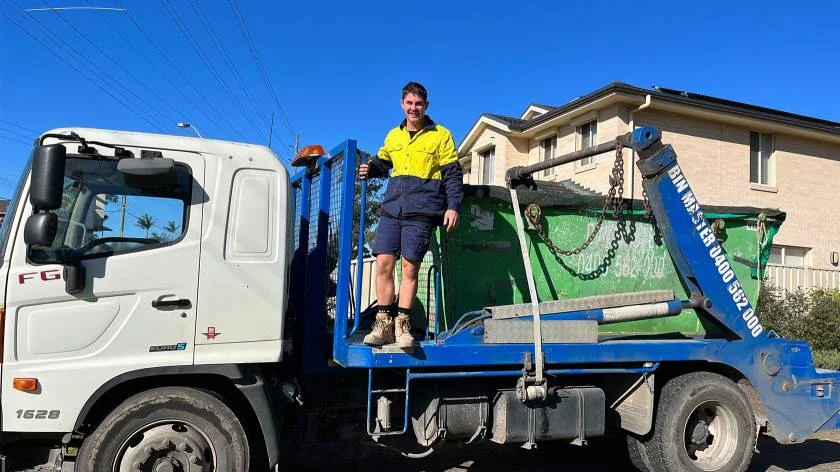
Jay Clarke built Bin Master Skips from a four-truck operation into a business with 10 trucks, eight staff and three times its former revenue. The Wollongong area waste and skip hire company’s growth came from updating how it worked, choosing its customers carefully and planning for the resources rising demand required.

Clarke took over the business at 22, without formal business experience. He had left school in Year 11 and worked in furniture delivery with his father before a conversation with a friend led him to a listing for the business in Albion Park, near Wollongong, New South Wales.
He knew the decision carried risk. His fallback, as he saw it, was to return to removals work. His family also believed he could meet problems with hard work. That became his approach in the early years: Clarke says he was prepared to work 15 or 16 hours a day when necessary.
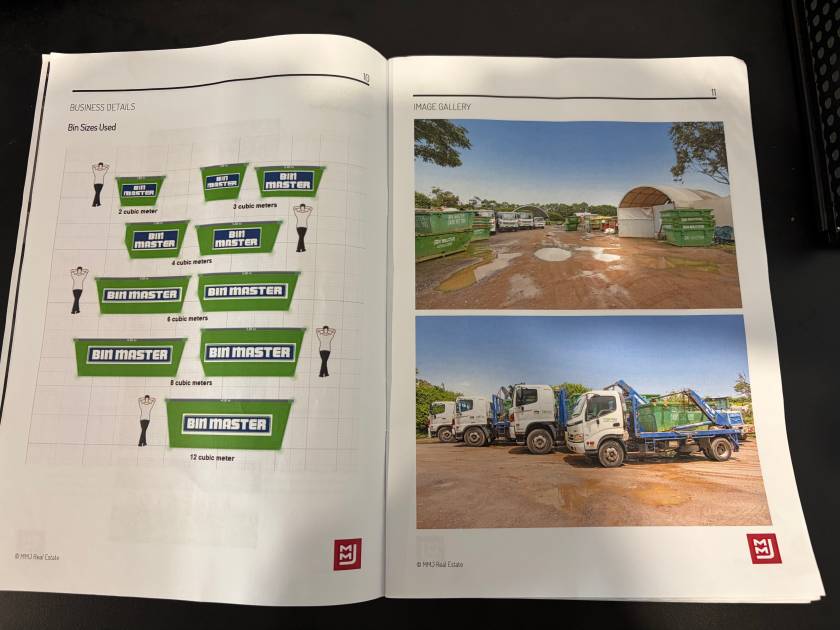
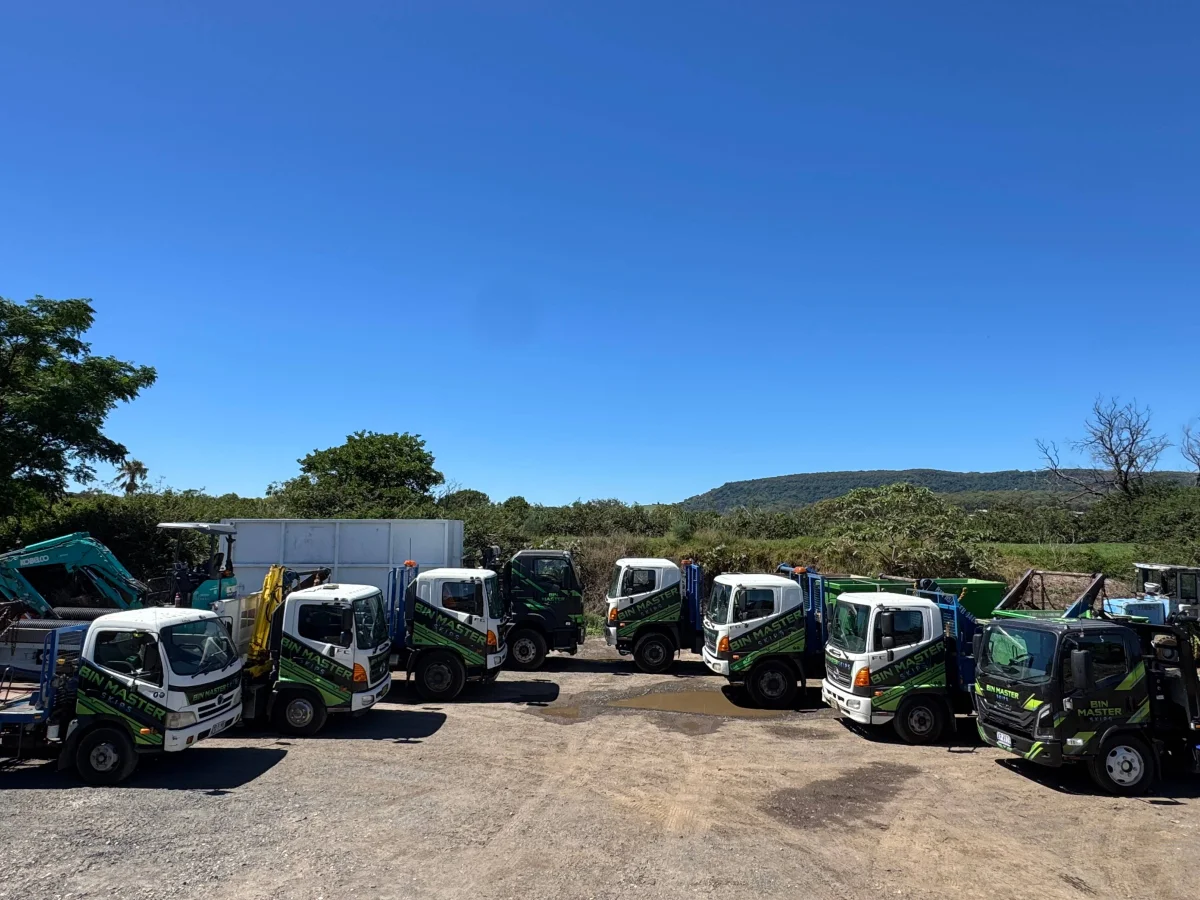
Over five years, Bin Master’s team doubled to eight, while its fleet grew from four trucks to 10. The business now serves households, commercial projects and construction sites across the Illawarra and Shoalhaven. Clarke recalls a time when eight or nine bin jobs in a day felt worth celebrating. Now, he says, the team would struggle to do fewer than 40 or 50.

Improving the business’s foundations
Clarke didn’t take over a failing operation. Its foundations were sound, but outdated tools and routines made work harder than it needed to be. The website was weak, the trucks were old, and many processes relied on paper. Bin Master’s Google profile had three reviews and a three-star rating.
He started by improving the company’s online presence and making it easier for customers to book. Bin Master now has more than 400 Google reviews and a five-star rating, Clarke says. The company also put prices online and enabled customers to book without calling.
These changes addressed practical friction at both ends of the business. A clearer online presence helped customers find and assess the company; online pricing and booking reduced the steps involved in placing an order. For a small operator, the lesson is to look closely at routine customer interactions and identify where outdated systems create avoidable work.
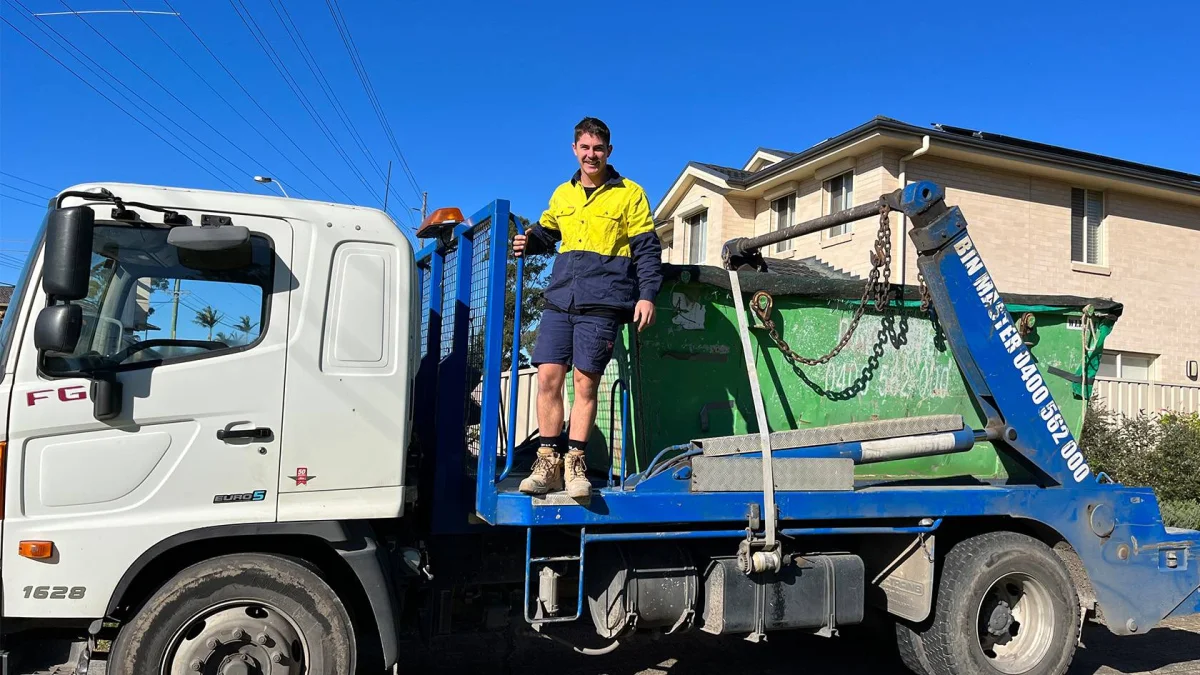
Clarke also narrowed the company’s focus. Early on, he thought Bin Master should try to win every kind of customer. Over time, he became more selective about the jobs and clients that suited the business’s strengths, rather than chasing every large commercial account. He says the company now knows its market and the customers it wants to serve.
Getting a clearer view of costs
Clarke’s experience with the numbers showed him that being comfortable with money isn’t the same as understanding business performance. Around three years into running Bin Master, he says, he still didn’t know its margins or gross profit.
He became more disciplined about forecasting and monitoring expenses. For a skip business, those costs include fuel, wages, disposal fees, insurance and vehicle registration. Tracking them gives an owner a better view of what jobs contribute to the business and what it costs to keep operating.
Clarke says he uses a business card for many regular expenses, including waste fees, fuel and purchasing bins, and values being able to pay suppliers on time. He says Bin Master has not made a late payment to its customers or suppliers, and regards that record as part of maintaining trust and reliability.
Payment tools can help organize spending, but they don’t replace knowing margins and cash requirements. Clarke’s account points to the more basic discipline: understand recurring costs, plan for upcoming bills and keep payments on schedule.
Planning capacity before it becomes a bottleneck
As bookings increased, Bin Master’s constraint shifted from winning work to having enough equipment to handle it. Skip bins can become a bottleneck: shortages may mean extra trips or disrupt the schedule. Clarke says the company couldn’t buy bins as quickly as it could sell them.
Previously, shortages led to last-minute purchases at higher cost. Suppliers required payment upfront, so Clarke would order bins when the business ran short and get operations moving again. That solved the immediate problem, but left the company reacting to demand instead of preparing for it.
More recently, Bin Master ordered 26 bins from an overseas supplier, adding to a stock of more than 300. Clarke says planning the purchase helps the business keep up with local demand and avoid turning customers away. For a growing operator, equipment needs can arrive before the business has a smooth way to meet them. Forecasting when capacity will run short can help turn urgent spending into planned purchasing.
Building toward the next stage
Clarke describes Bin Master as being in a good position, despite strong competition. He says the company remains competitive, and he is optimistic about what comes next. His goal is for Bin Master to have its own facility and become self-sufficient, which he believes would enable another stage of growth.
For now, the company’s progress rests on practical adjustments: make booking easier, understand costs, focus on suitable work and plan equipment purchases around demand. Clarke’s experience suggests that growth can change the central challenge of a business. First comes building the operation; then comes making sure its people, systems and equipment can keep pace with the work.