Musk says he plans to give each U.S. child a SpaceX share next year, a pledge estimated at $10.7 billion at current prices.
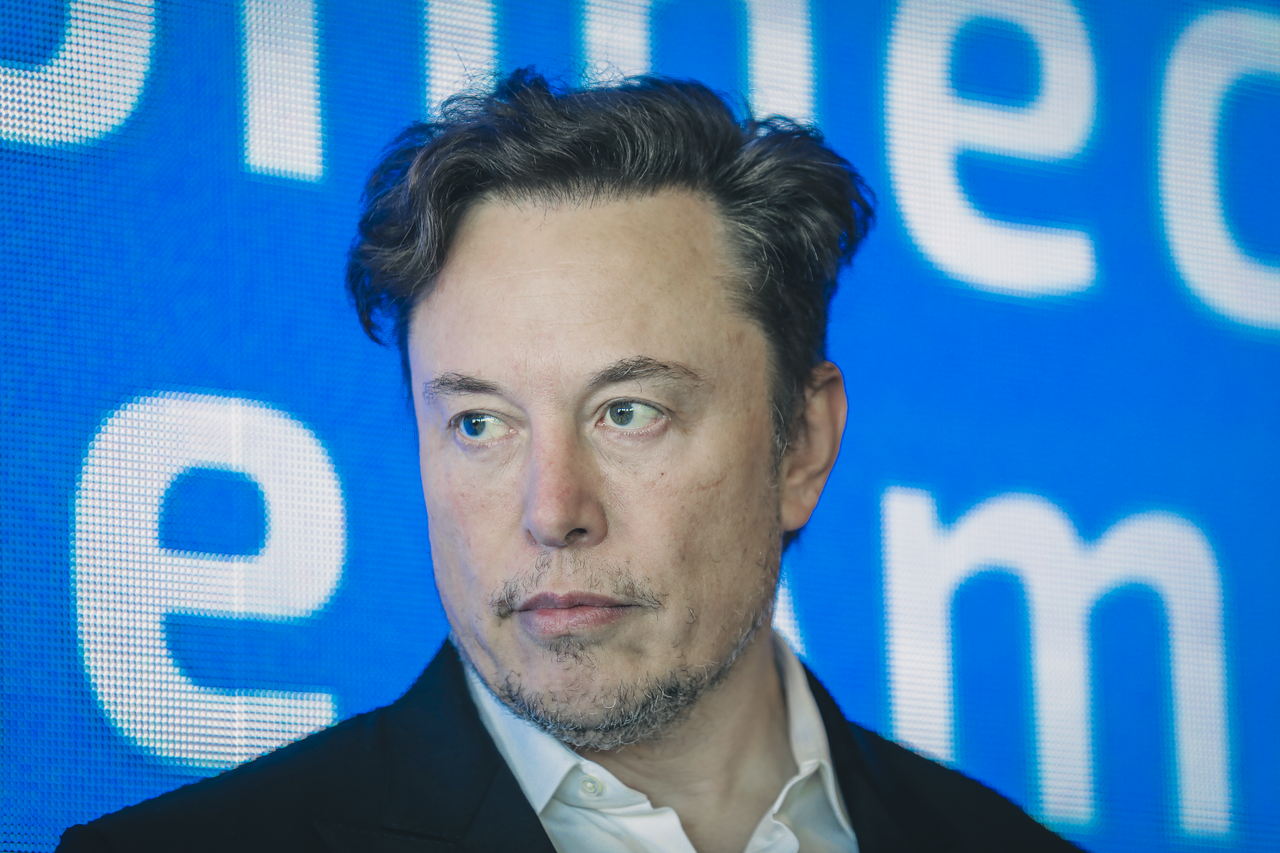

Elon Musk’s proposed gift of SpaceX stock to children across the United States would be unusually large even by the standards of the growing Trump Accounts initiative. Musk said he plans to give a share to every child next year, but the details of how he would deliver the stock remain unsettled.

“Next year, I will give one of my SpaceX shares to every kid in America,” Musk wrote Monday on X. “This will be the first of many.” The company’s chief executive didn’t explain the mechanics or respond immediately to a request for more detail. A person familiar with the discussions said Musk had agreed in principle to route the shares through the accounts program.

A pledge with significant scale
There are about 72 million children in the country, based on Census Bureau estimates. At the current share price cited in the report, one share for each child would be worth about $10.7 billion. That estimate gives a sense of the pledge’s scale, but it doesn’t establish what the final distribution would cost or how the plan would work in practice.

Musk’s wealth is estimated at more than $900 billion by the Bloomberg Billionaires Index. SpaceX represents about $700 billion of that total, with Tesla Inc., Boring Co. and Neuralink accounting for the remainder. The proposed gift would therefore draw on the asset that makes up most of his reported fortune.
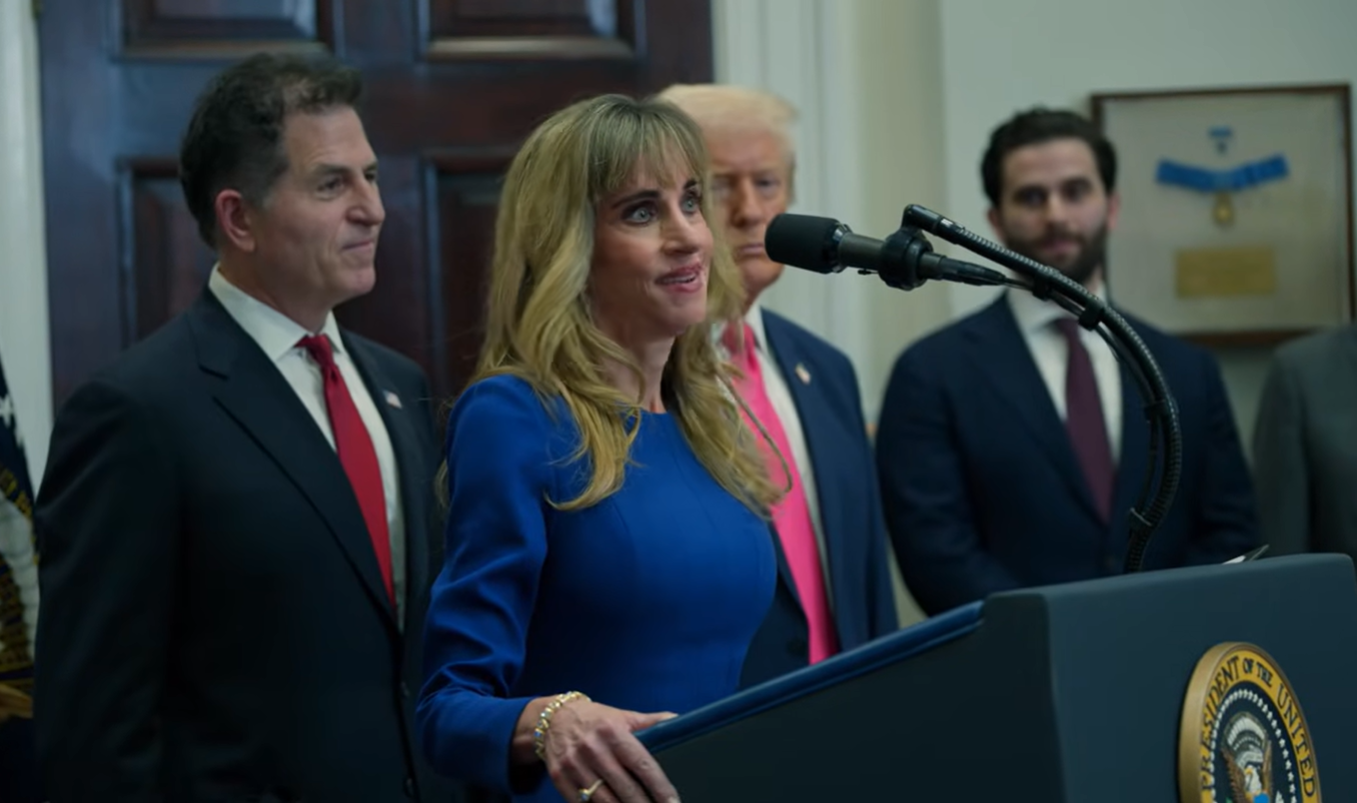
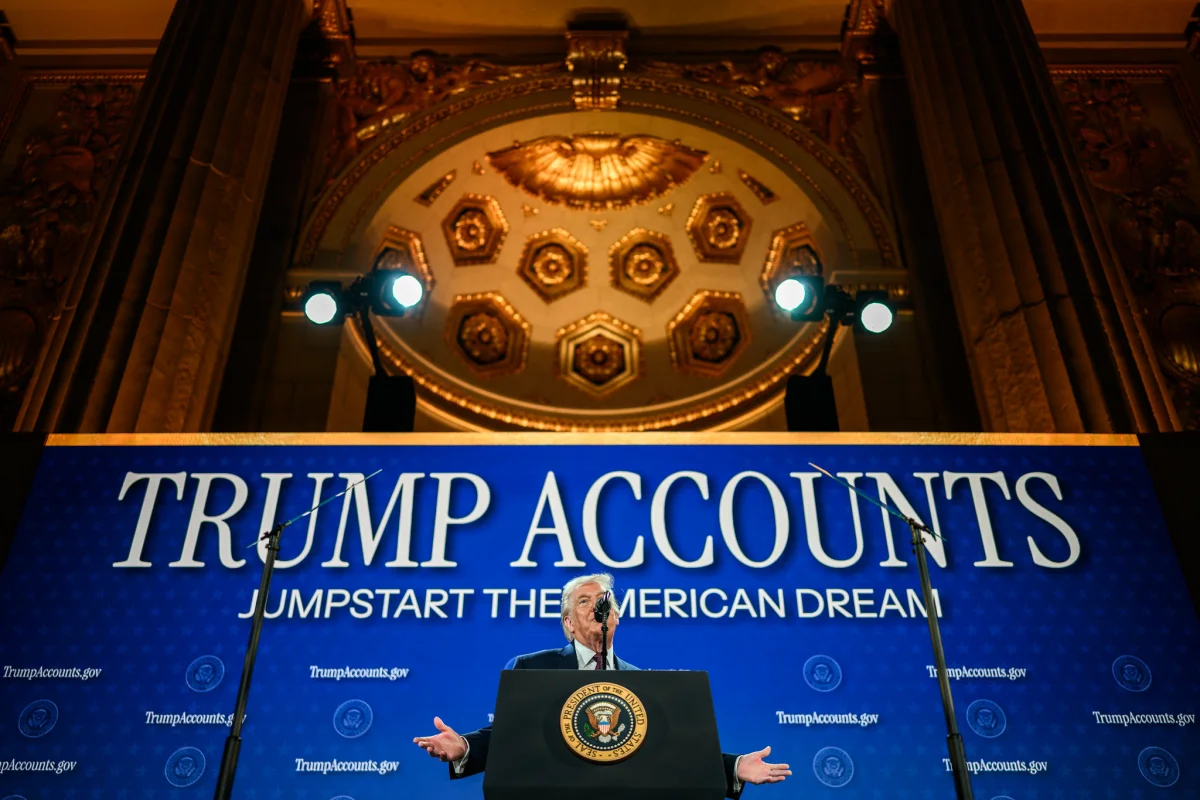
The accounts initiative provides $1,000 for American children born from 2025 through 2028. Musk’s proposal would add a contribution in SpaceX stock to a program that already has commitments from other prominent donors. Michael and Susan Dell and Bridgewater Associates founder Ray Dalio have pledged funds, while SpaceX President Gwynne Shotwell and her husband have given SpaceX stock to an account covering more than 2 million children, according to the report.
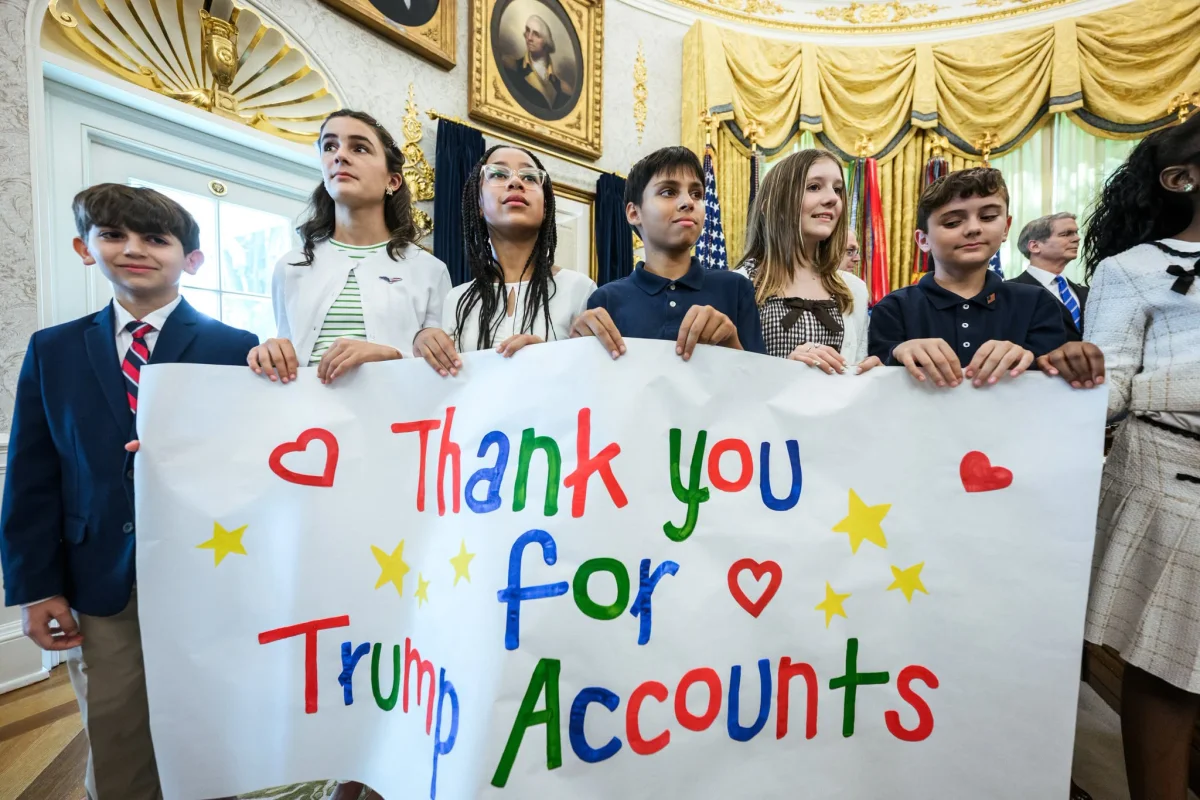
Those examples show how a large donor can shape the kind of contribution involved: cash, company stock, or a gift directed to accounts for a defined group of children. Musk’s stated scope is broader, since his post referred to every child in the country. The practical difference will depend on the final eligibility rules and delivery plan, neither of which Musk has described.
Details still need to take shape
The proposal is not yet a completed distribution. Musk has previously floated ideas that did not come to pass or later explained them as jokes, though he pinned this post to the top of his X page. That makes follow-through and implementation details central to judging what families may ultimately receive.

The report says Musk agreed to proceed after the White House announced the creation of tens of millions of individual accounts. The source described his agreement as being in principle and relied on a person familiar with the matter who was not authorized to speak publicly. Those qualifications matter: the public pledge is clear, but the commitment’s terms are not.
For an initiative that could involve tens of millions of recipients, the operational work would be substantial. A distribution plan would need to connect each eligible child with the right account and specify how the shares are assigned. The source does not say whether Musk’s team has settled those steps, what form the share transfer would take, or when recipients would see the assets. Those open questions make the headline valuation an estimate of scale, not a confirmed per-child benefit.
A separate argument over how to give
Musk’s post came hours after Anthropic disclosed plans to place 5% of its shares in a fund for donations addressing what the company called “the public good.” Anthropic said some of the fund would support responses to the effects of artificial intelligence on the labor market. It also said its board could add another 2% to the fund for every 50% increase in the company’s value above a set baseline.

Musk replied to Anthropic on X that he recommended giving shares “directly to the public.” The two proposals point to different ways of directing corporate wealth: Anthropic described a fund, while Musk called for shares to go to individuals. The report gives no further comparison of how either approach would be administered, so the distinction remains a matter of the plans as announced.

Anthropic is preparing for a potential public listing that could value the company at $1.5 trillion to $2 trillion, according to the report. That plan and Musk’s pledge place corporate ownership and philanthropy in the same conversation, but the announcements have separate structures and should not be treated as equivalent commitments.
For families, the next useful signal will be a concrete explanation of who qualifies, how the shares would reach accounts and when the transfer would happen. Until those details emerge, Musk’s statement remains a significant pledge whose estimated value is striking, while its eventual reach depends on execution.