Negotiation is vital to sales success, influencing value perception and fostering beneficial agreements. Here’s how to refine your negotiation strategies.

Negotiation skills are essential for anyone in sales, shaping how deals are made and how relationships are fostered. But before we delve into the intricacies of mastering these skills, consider a relatable scenario. Remember a time in childhood when you yearned to stay over at a friend's house? You likely had to persuade your parents to grant permission, working through various conditions and objections. This early experience is a fundamental example of negotiation.

At its core, negotiation is about reaching an agreement where both parties feel satisfied. It's not limited to formal business environments but occurs daily in various situations, from negotiating chores with parents to discussing responsibilities with colleagues. Recognizing these everyday negotiations can enhance your awareness and effectiveness in more formal settings, especially in sales.

Understanding Negotiation
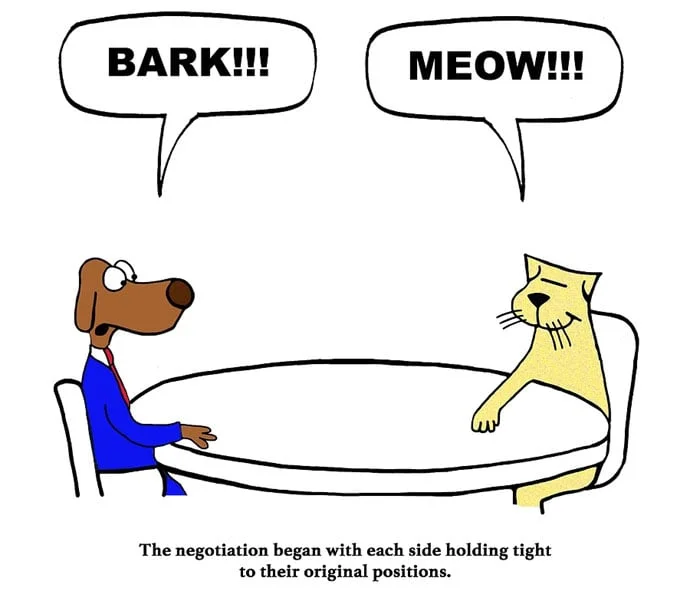
The term "negotiation" derives from the Latin word negōtiātiō, meaning 'the doing of business.' Historically, it has encompassed a range of discussions stemming from early barter systems in Roman markets to today's complex sales environments. In any negotiation, both parties start with different priorities and must work towards a mutually beneficial agreement. The key lies in movement: if both sides don’t shift their positions, no negotiation occurs.
Why Negotiation Matters
Effective negotiation can significantly impact a business's success. First, it enables companies to maintain profit margins while meeting customer demands. By successfully negotiating, you build the foundation for healthier revenue streams that can fund product development and enhance customer service.

Furthermore, in our increasingly competitive landscape, skilled negotiators frequently find themselves better positioned than their counterparts who lack these skills. As buyers become more knowledgeable and discerning, often leveraging online information to squeeze better deals from sales teams, your negotiation acumen becomes a crucial differentiator.

Good negotiation not only drives sales but helps cultivate stronger relationships with customers, paving the way for future business opportunities and referrals. Ultimately, the ability to negotiate effectively increases the likelihood of achieving agreements that are favorable to both parties, fostering long-term partnerships.

Components of Negotiation Tactics
Negotiation tactics encompass a wide array of strategies aimed at achieving the desired outcome. These tactics can vary depending on the medium of negotiation—be it face-to-face, online, or through third parties. Successful negotiations generally follow several stages, each requiring distinct tactics:
- Preparation: Research is critical. Prepare meticulously by identifying your goals and understanding not only your needs but also the desires and limitations of the other party. This initial groundwork is crucial for effective dialogues.
- Information Exchange: During this phase, gather vital information that informs the negotiation. Understanding what the other party values, their decision-making criteria, and their constraints sets the groundwork for a productive discussion.
- Bargaining: Now, leverage the insights gained from preparation and information exchange. Highlight the mutual benefits that can be achieved and identify which aspects might be negotiable for both sides. This stage often defines the negotiating process’s success.
- Concluding: As negotiations near agreement, confirm the points of consensus and ensure clarity surrounding commitments from both parties. This step is vital to avoid misunderstandings later.
- Taking Action: Finally, implement the agreed-upon terms, clearly identifying the roles and responsibilities of each party moving forward.
Setting Limits
An additional tactical element to consider is your negotiating limits. Understanding your parameters can prevent unproductive negotiations that may exceed your willing budget or compromise essential values. The acronym LIMITS can help outline your approach:
- L: What you would like to achieve—set this as your ambitious target.
- I: What you intend to achieve—your actual target within reason.
- M: What you must not go beyond—your lowest acceptable terms or fallback position.
If you were to sell a vehicle, for example, you might advertise it for £12,000 as your 'like to get' figure, aim to secure £11,000, but not drop below £10,500. With clear limits, you avoid making hasty concessions and can steer discussions toward favorable outcomes.
Developing Your Negotiation Skills
While understanding the theory behind negotiation is crucial, practical application is where true skill flourishes. Here are several strategies to enhance your negotiating abilities:
- Practice active listening: Truly listen to the other party's concerns and needs. This not only demonstrates respect but also provides insights that can guide your negotiation tactics.
- Stay calm and composed: Negotiations can become intense. Keeping a level head allows you to think clearly and respond thoughtfully rather than react impulsively.
- Be flexible: Sometimes, the path to a deal isn't linear. Be prepared to adapt your approach as discussions unfold and new information arises.
- Reflect on past negotiations: After a negotiation, take time to analyze what went well and what could be improved. This will help refine your approach for future discussions.
Mastering negotiation skills is indispensable for success in sales and business at large. By understanding the mechanics of negotiation, utilizing effective tactics, and continually developing your skills, you can significantly enhance your ability to close deals that benefit both you and your customers. With perseverance and practice, anyone can become a formidable negotiator, turning potential conflicts into fruitful collaborations.
The ability to navigate the nuances of negotiation not only impacts sales success but also deepens customer relationships, ensuring that in the long run, both parties walk away satisfied.